No products in the cart.

How the Climate Crisis Is Reshaping Global Careers in Renewable Energy and Adaptation
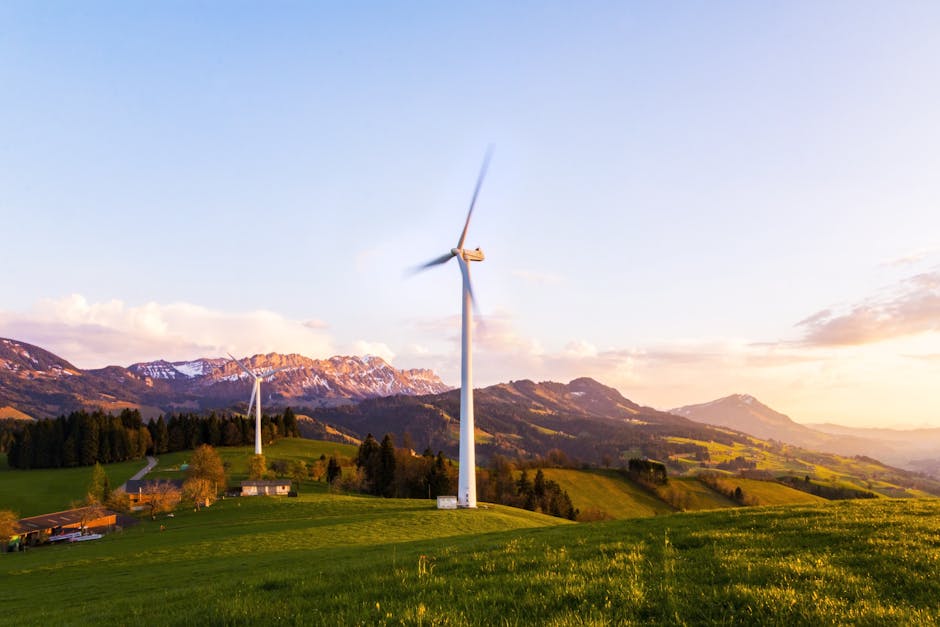
As climate impacts intensify, industries focused on renewable energy, adaptation, and environmental innovation are rapidly expanding, creating new career pathways worldwide.

New York, USA — The escalating climate crisis is no longer just an environmental emergency; it has become a powerful driver reshaping global labor markets. In 2025, companies and governments worldwide are investing heavily in renewable energy, climate adaptation, and environmental technology, creating thousands of new roles that span engineering, data science, policy design, and community resilience. According to the international Renewable Energy Agency (IRENA), renewable energy employment grew by 8% in 2024, reaching 13.4 million jobs globally. Meanwhile, the UN Environment Programme reports a surge in climate adaptation roles, especially in vulnerable regions like Southeast Asia and Sub-Saharan Africa, where infrastructure redesign and disaster risk management are urgent priorities[1].[2]
These shifts matter now more than ever. With climate impacts intensifying, the demand for skilled workers who can innovate, implement, and sustain green solutions is critical to both economic recovery and environmental stability. For professionals, educators, and policymakers, understanding these emerging career paths is essential to align workforce development with global sustainability goals.
Global Context: Climate Impacts Driving Labor Demand
The physical and economic toll of climate change is accelerating investments in sectors that mitigate or adapt to environmental stressors. Extreme weather events cost the global economy an estimated $330 billion in 2024 alone, according to Munich Re, pushing governments to prioritize resilience-building projects. Renewable energy—solar, wind, geothermal, and emerging green hydrogen technologies—has become a cornerstone of climate policy in the European Union, China, and the United States. Germany’s Energiewende strategy, for instance, targets a 65% renewable share in power generation by 2030, promising significant job growth in manufacturing, installation, and maintenance.[3]
Simultaneously, adaptation efforts focus on strengthening urban infrastructure, enhancing water management, and protecting ecosystems. The World Bank estimates that adaptation investments could generate 40 million jobs globally by 2030, particularly in construction, engineering, and environmental consultancy sectors.
 Business
Understanding Career Entrepreneurship: A Path to Innovation
Career entrepreneurship empowers employees to innovate and drive value within their organizations. Learn how to embrace this approach effectively.
Read More →Companies like Siemens Gamesa and Vestas have expanded their workforce by 15% in 2024, adding roles in turbine engineering, supply chain management, and digital monitoring systems.
Expanding Career Pathways in Renewable Energy
Renewable energy remains the fastest-growing employment sector tied directly to climate action. Companies like Siemens Gamesa and Vestas have expanded their workforce by 15% in 2024, adding roles in turbine engineering, supply chain management, and digital monitoring systems. Meanwhile, Tesla and First Solar have hired thousands in R&D for battery storage and photovoltaic innovation. The sector’s growth is also democratizing job opportunities. Solar panel installers and wind turbine technicians make up a large share of new hires, with median wages in the U.S. rising to $60,000 annually, according to the Bureau of Labor Statistics. Vocational training programs and community colleges are increasingly offering certifications that feed industry demand. However, the transition is uneven. Regions reliant on fossil fuels face labor displacement risks. Coal-dependent areas in the U.S. Appalachian region and parts of Australia are investing in retraining programs, but the pace and scale of worker transition remain a challenge.
Climate Adaptation: Emerging Roles Beyond Energy
Adaptation careers are less visible but equally vital. Urban planners, hydrologists, and disaster risk analysts are in rising demand to design cities that withstand flooding, heatwaves, and other climate shocks. The Rockefeller Foundation’s 100 Resilient Cities initiative has catalyzed thousands of jobs globally in resilience planning. In agriculture, climate-smart farming advisors help communities adopt drought-resistant crops and soil conservation techniques. This sector is particularly important in Sub-Saharan Africa, where food security is directly threatened by shifting weather patterns. Governments are also expanding environmental policy teams. The U.K.’s Department for Environment, Food and Rural Affairs (DEFRA) increased its climate adaptation staff by 20% in 2024 to support national resilience strategies and compliance with international climate agreements.
Technological Innovation and Environmental Entrepreneurship
Technology firms are at the forefront of environmental innovation, developing AI-driven climate risk models, carbon capture solutions, and blockchain systems for transparent carbon markets. Startups like Climeworks in Switzerland and Pachama in the U.S. have attracted over $500 million in venture capital this year alone. This innovation wave is creating hybrid roles that blend climate science, data analytics, and business acumen. Demand for professionals skilled in GIS mapping, environmental economics, and sustainable finance is rising sharply in global financial hubs like London, New York, and Singapore. Environmental entrepreneurship is also gaining momentum in emerging markets. In India and Brazil, microenterprise programs support local green businesses, from waste recycling to solar mini-grids, contributing to job creation and community resilience.
 Career Development
Navigating Career Transitions: A Global Perspective for Millennials
As millennials navigate career transitions in 2025, insights from India and the USA reveal evolving trends and strategies. Let’s dive…
Read More →
Policy, Education, and Workforce Development Challenges
The rapid growth in green jobs requires coordinated policy and educational responses. Countries with clear climate policies and workforce strategies, such as Denmark and South Korea, are attracting investment and talent. Denmark’s Green Skills Plan, launched in 2023, aims to reskill 100,000 workers by 2030 for green technology sectors. Yet, many regions lag in aligning education with evolving labor market needs. The OECD highlights gaps in climate literacy and STEM education as barriers to workforce readiness. Bridging these gaps is critical to avoid exacerbating inequalities and ensure inclusive growth. Public-private partnerships are emerging to address these challenges. The U.S. Department of Energy’s Solar Training Network partners with community colleges to scale up technician certifications, while the European Climate Pact promotes citizen engagement and skills development.
Looking Ahead: Preparing for a Climate-Driven Labor Market
The intersection of climate urgency and economic opportunity is creating one of the most significant workforce transformations of the 21st century. For career seekers, building skills in renewable technologies, environmental science, and adaptation planning will be crucial. Policymakers must prioritize inclusive education reforms and robust social protections to support displaced workers. Meanwhile, businesses that invest in sustainable innovation and workforce development will be better positioned in a climate-conscious economy. As the global community intensifies climate action, new career pathways will continue to emerge, reshaping not only industries but also the purpose and impact of work itself.
 Education
Proposed Loan Cap Threatens Future of Nurse Anesthesia Programs
Proposed student loan cap jeopardizes nurse anesthesia education, raising concerns about the future of healthcare training and patient care.
Read More →