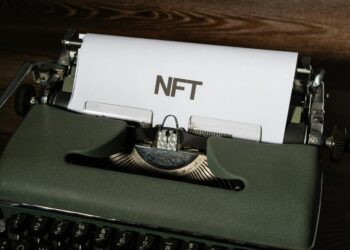
Blockchain and digital tools are reshaping the arts, breaking down barriers to creation and distribution. This transformation offers new opportunities and challenges for artists, educators, and industry leaders alike.
New York, USA — Blockchain technology and digital creative tools are transforming the global arts landscape by democratizing access, ownership, and exposure for artists across disciplines. Platforms such as OpenSea, Rarible, and Adobe Creative Cloud are enabling creators to reach audiences and monetize work in unprecedented ways as of late 2025. This shift matters because it dissolves traditional gatekeepers in galleries, publishing houses, and record labels, opening the market to independent artists worldwide. As the World Economic Forum noted in 2024, digital tools combined with blockchain can reduce barriers to entry, fostering diversity and innovation in creative industries[1]. For educators and policymakers, the implications extend to rethinking curricula and copyright frameworks to support this evolving ecosystem.
Digital Creation Tools Lower Barriers for Artists
The rise of affordable, user-friendly digital creation software is broadening who can produce art. Adobe's Creative Cloud subscriber base surpassed 30 million globally in 2024, reflecting growing demand for accessible design, video, and audio production tools[2]. Similarly, open-source programs like Blender and Audacity empower creators without large budgets to develop professional-grade work. These tools are particularly impactful for emerging artists in regions with limited physical infrastructure. For example, in Southeast Asia and Africa, where traditional art markets are nascent, digital platforms offer direct routes to international audiences. This increases visibility and revenue potential, which historically depended on physical exhibitions or intermediaries.
Blockchain Ensures Ownership and Monetization
Blockchain’s ability to establish immutable proof of ownership is reshaping art markets. Non-fungible tokens (NFTs) surged in popularity from 2021 and remain a key mechanism for artists to certify and sell digital art, music, and other creative content. OpenSea, the largest NFT marketplace, reported over $2 billion in sales in the first half of 2025 alone[3]. More than just a sales channel, blockchain introduces programmable royalties. Artists can receive automatic payments on secondary sales, a feature absent in traditional art markets. This model is encouraging creators to experiment while maintaining financial stability. However, challenges remain around energy consumption and regulatory clarity, prompting ongoing debate.
Similarly, open-source programs like Blender and Audacity empower creators without large budgets to develop professional-grade work.
Shifting Power Dynamics in the Creative Economy
Bypassing traditional gatekeepers is altering power relations in arts and culture. Artists can now self-publish, crowdsource funding, and directly build communities via platforms like Patreon, Kickstarter, and social tokens on blockchain networks. This decentralization fosters more diverse artistic expression and financial independence. Yet, this democratization also creates new challenges. Saturation of digital content makes discoverability difficult without savvy marketing. Additionally, the volatility of NFT markets raises concerns about speculative bubbles and exploitation risks for less tech-savvy creators. Industry stakeholders are calling for better educational resources and ethical standards.
Global Educational and Policy Implications
The rapid integration of blockchain and digital tools in the arts demands changes in education and policy. Universities and art schools are expanding curricula to include digital literacy, blockchain fundamentals, and intellectual property law tailored to decentralized technologies. a startup founder Island School of Design launched a blockchain art course in early 2025, reflecting this trend. Policymakers worldwide face pressure to modernize copyright frameworks to accommodate digital provenance and automated royalty payments. The European Union’s Digital Services Act and the US Copyright Office’s ongoing reviews indicate regulatory momentum. Ensuring that policies protect creators without stifling innovation is a delicate balance.
Looking Ahead: Toward an Inclusive Creative Future
The convergence of blockchain and digital tools is redefining how art is made, owned, and shared. For professionals and educators, staying abreast of technological advances and their societal impacts is essential. Artists who adapt to these tools can tap into global audiences and new revenue streams, but must also navigate emerging risks. As digital art ecosystems mature, collaboration between technology firms, creative communities, and regulators will shape sustainable models. The future of work in the arts will likely blend traditional craft with digital innovation, demanding flexibility and continuous learning. This ongoing transformation offers a rare opportunity to foster equity and creativity on a truly global scale.



Career Development