BHEL, India's state-owned engineering giant, is rapidly expanding its green energy and railway technology portfolios in 2025, aiming to lead the country's industrial transformation and sustainable infrastructure development.
New Delhi, India — Bharat Heavy Electricals Limited (BHEL), India’s premier state-owned engineering and manufacturing company, is accelerating its expansion into green energy and railway technology sectors as of late 2025. The company has announced multiple projects focused on renewable energy systems, including solar and hydrogen fuel technologies, alongside cutting-edge railway electrification and modernization initiatives. This strategic pivot aims to position BHEL as a future-ready industrial leader, aligning with India’s ambitious climate targets and infrastructure modernization plans. With the government targeting 500 GW of renewable energy capacity by 2030 and a massive overhaul of the railway network underway, BHEL’s advancements are critical to bridging technological gaps and boosting domestic manufacturing capabilities.
Why BHEL’s Green Energy Push Matters
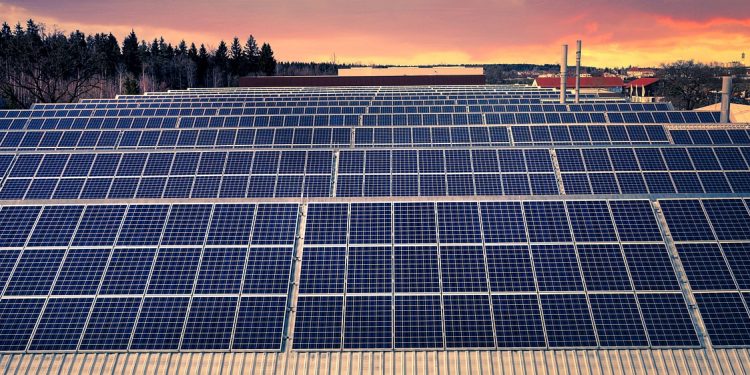
India’s commitment to achieving net-zero carbon emissions by 2070 hinges heavily on scaling renewable energy and reducing dependence on fossil fuels. BHEL’s recent contracts include manufacturing solar power equipment and developing hydrogen fuel cells, which are expected to reduce carbon footprints in industrial applications significantly. These efforts dovetail with India’s National Hydrogen Mission, launched in 2021, which aims to make India a global hub for green hydrogen production. BHEL’s role in this ecosystem not only supports national policy but also opens new export markets for advanced clean energy technologies.
Railway Technology: Modernizing a Backbone
Simultaneously, BHEL is advancing railway technology by supplying electric locomotives and modernizing traction systems. The Indian Railways, one of the world’s largest rail networks, has committed to complete electrification by 2030 to cut emissions and improve efficiency. BHEL’s latest electric locomotive models incorporate energy-efficient designs and smart diagnostics, reducing operational costs and downtime. These innovations are vital as India seeks to enhance freight and passenger services while meeting sustainability goals.
Despite challenges such as supply chain disruptions and the need for upskilling its workforce, BHEL’s government backing and strategic partnerships with international technology firms provide it with a solid foundation for transformation.
MediaTek's latest chip innovations are set to redefine smartphone capabilities, enhancing AI performance directly on devices. Discover the implications for users and developers.
Context: BHEL’s Historical Role and Current Challenges
Founded in 1964, BHEL has been a cornerstone of India’s heavy electrical equipment manufacturing, historically focusing on thermal power plants and industrial machinery. However, its traditional reliance on coal-based infrastructure has faced increasing scrutiny amid global decarbonization trends. In recent years, BHEL has faced stiff competition from private players in renewable energy and railway sectors. Its pivot towards green technologies and digital rail solutions is both a defensive and offensive strategy to regain market leadership and relevance. Despite challenges such as supply chain disruptions and the need for upskilling its workforce, BHEL’s government backing and strategic partnerships with international technology firms provide it with a solid foundation for transformation.
Multiple Perspectives on BHEL’s Industrial Transition
Industry analysts note that BHEL’s move into green energy is timely but complex. According to a 2024 report by the Council on Energy, Environment and Water (CEEW), Indian PSUs like BHEL must accelerate innovation cycles and adopt agile practices to compete globally[1]. BHEL’s ongoing collaborations with Japanese and European firms for hydrogen fuel cell development reflect this trend. Meanwhile, railway experts emphasize that electrification alone is insufficient without integrated digital infrastructure. BHEL’s investments in smart diagnostics and predictive maintenance systems align with Indian Railways’ digital transformation roadmap, enhancing reliability and safety[2]. Critics caution that BHEL must balance legacy business units with new ventures carefully. Overextension or slow adoption of emerging technologies could jeopardize its competitiveness in fast-evolving sectors.
Implications for India’s Workforce and Industrial Ecosystem
BHEL’s green energy and railway technology expansion will demand a workforce skilled in renewable systems, digital tools, and advanced manufacturing. This creates a pressing need for reskilling and vocational training programs tailored to emerging technologies. Government initiatives like the Skill India Mission could synergize with BHEL’s objectives by developing specialized training modules. This alignment is crucial to ensure that India’s industrial workforce can support and sustain the country’s green transition and infrastructure modernization.
Looking Ahead: BHEL’s Role in India’s Industrial Future
As India pushes toward a low-carbon economy and modernized transport infrastructure, BHEL’s strategic focus on green energy and railway technology positions it at the intersection of policy priorities and market demand. The company’s success will depend on its ability to innovate rapidly, forge international partnerships, and nurture a skilled workforce. For professionals and policymakers, BHEL’s trajectory offers lessons on managing legacy industrial enterprises amid disruptive technological change. Its progress will likely influence India’s broader industrial competitiveness and sustainability goals well into the next decade.



AI & Technology