No products in the cart.

The Global Race to Decarbonize Transport: Electric Shipping, Aviation, and High-Speed Transit
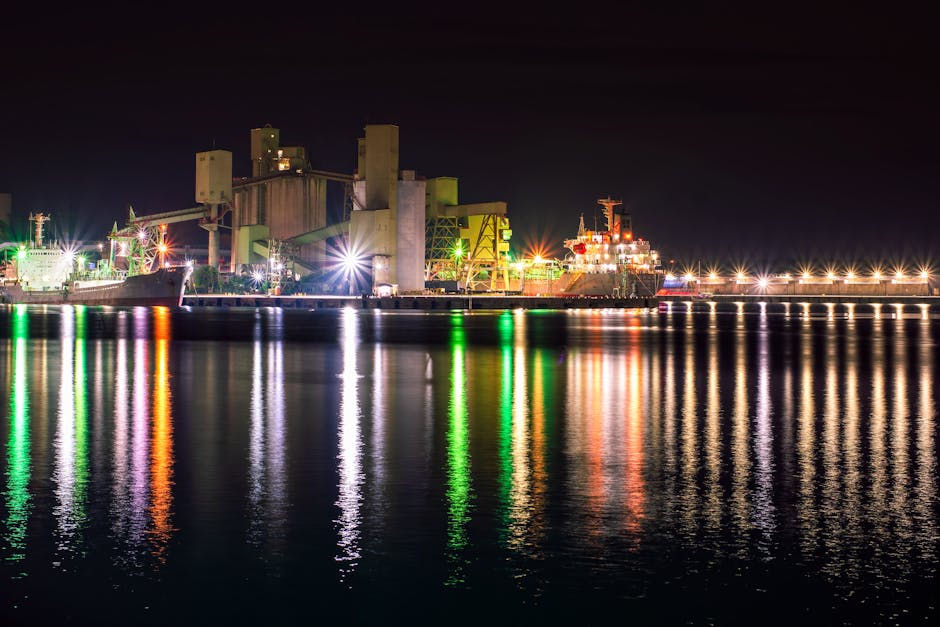
Electric shipping, aviation, and high-speed rail are at the forefront of global efforts to cut transport emissions. This feature explores key developments, challenges, and implications for industries and careers worldwide.

Oslo, Norway — The race to decarbonize the transport sector is accelerating, with electric shipping, sustainable aviation, and high-speed rail projects emerging as critical components in the global effort to meet the 2050 net-zero target. In Norway, the world's first fully electric container ship, the Yara Birkeland, began commercial operations in 2023 and has since inspired a wave of investments and policy support across Europe and Asia. Meanwhile, aviation giants like Airbus and Boeing are investing billions in zero-emission aircraft, aiming for commercial launches by the early 2030s, while China and Japan lead in expanding high-speed rail networks powered increasingly by renewable energy. These developments come as transportation accounts for approximately 24% of global CO2 emissions, making it one of the largest sectors for climate mitigation[1]. Why does this matter now? The transport sector’s carbon footprint has stubbornly resisted reductions despite advances in passenger electric vehicles. Heavy-duty shipping and aviation remain reliant on fossil fuels, with limited alternatives until recently. The push toward electrification and alternative fuels is reshaping entire industries, affecting global trade logistics, aviation careers, and urban planning. For professionals, educators, and policymakers, understanding these technologies and their implications is critical for workforce development and strategic investments in clean infrastructure.
Global Context: Transport’s Carbon Challenge and Policy Drivers
Transportation’s share of carbon emissions reached an estimated 8.5 gigatons of CO2 in 2023, with shipping and aviation contributing nearly 1.5 gigatons combined[2]. The International Maritime Organization (IMO) has set ambitious targets to reduce shipping emissions by 50% by 2050 compared with 2008 levels. Similarly, the International Air Transport Association (IATA) aims for net-zero carbon emissions by 2050, requiring a shift to sustainable aviation fuels (SAFs) and electric or hydrogen propulsion. Governments worldwide are translating these commitments into action. The European Union’s Fit for 55 package includes stringent CO2 standards for heavy-duty vehicles and supports the deployment of electric and hydrogen-powered vessels. In Asia, China’s Five-Year Plan emphasizes high-speed rail expansion, targeting 70,000 kilometers of track by 2035 with a focus on green energy integration. These policy frameworks are critical in mobilizing capital and innovation, but they also pose challenges. Infrastructure for charging electric ships or hydrogen refueling for planes requires significant public and private investment. Regulatory harmonization and safety certification for new technologies remain hurdles to rapid adoption.
 Career Development
Reforming Education to Meet Workplace Demands
Urgent reforms in education are necessary to equip students with skills required for future job market success. This analysis explores…
Read More →These policy frameworks are critical in mobilizing capital and innovation, but they also pose challenges.
Electric Shipping: From Niche to Mainstream
The Yara Birkeland, launched in 2023, marked a milestone as the first fully electric container vessel, operating between the Norwegian ports of Herøya and Brevik. Its success has spurred companies like Wärtsilä and ABB to develop scalable electric and hybrid propulsion systems for larger vessels. By 2025, over 20 electric or hybrid ships have entered service globally, predominantly for short-sea shipping and inland waterways. However, electrifying deep-sea shipping remains a formidable challenge due to battery energy density limitations. The industry is exploring alternative fuels such as green ammonia and methanol, which can be produced from renewable sources and used in modified engines. Maersk, the world's largest container shipping company, has committed to carbon-neutral vessels by 2040, investing in ammonia-powered prototypes and retrofit programs. The shift to electric and alternative fuel ships is also reshaping maritime jobs. Engineers skilled in battery technology, fuel cell systems, and digital monitoring are in increasing demand. Port authorities are upgrading infrastructure to support electric charging, creating new roles in logistics and maintenance.
Sustainable Aviation: The Quest for Zero-Emission Flight
Aviation remains one of the hardest sectors to decarbonize. Jet fuel’s high energy density and existing infrastructure pose significant barriers. Yet, Airbus, Boeing, and startups like ZeroAvia are investing heavily in hydrogen-electric and battery-electric aircraft. Airbus targets a commercial hydrogen-powered aircraft by 2035, while ZeroAvia has demonstrated successful short-haul flights using hydrogen fuel cells. Meanwhile, sustainable aviation fuels (SAFs), derived from biofuels or synthetic processes, have gained traction. Airlines like United and Lufthansa have committed to increasing SAF usage to 30% of fuel consumption by 2030. However, SAF production is currently limited and costly, demanding scale-up of feedstock cultivation and refining capacity. This transition is creating new career pathways in aerospace engineering, fuel chemistry, and regulatory compliance. Pilot training programs are adapting to new aircraft technologies, and airport infrastructure is evolving to support hydrogen refueling and SAF supply chains.
High-Speed Rail: Electrification and Renewable Integration
High-speed rail is entering a new phase of growth, particularly across Asia and Europe. China leads with over 45,000 kilometers of high-speed rail track, accounting for nearly 70% of global network length. Japan continues to innovate with magnetic levitation (maglev) trains aiming for commercial operation in the late 2020s. Electrification of rail networks is increasingly paired with renewable energy sources. Germany’s Deutsche Bahn has achieved carbon neutrality in its operations by sourcing 100% renewable electricity, a model being replicated by other national railways. This integration reduces indirect emissions and enhances grid stability via smart charging systems. High-speed rail expansion affects urban development, labor mobility, and regional economies. It demands a workforce skilled in railway electrification, digital signaling, and sustainable construction. Governments are prioritizing rail as a climate-friendly alternative to short-haul flights and road freight, aligning transport policy with climate goals.
 AI
AIAI’s Impact on Entry-Level Jobs: A Looming Challenge for Gen Z
As AI threatens to eliminate 50% of entry-level jobs, Gen Z faces an uncertain future. What skills should they develop?
Read More →
Balancing Innovation with Infrastructure and Policy
Despite promising technological advances, the shift to electric and zero-emission transport is uneven. Infrastructure deployment lags behind vehicle innovation, and capital-intensive investments require long-term policy certainty. Public-private partnerships and international cooperation will be essential to bridge these gaps. Experts warn that the supply chain for critical materials such as lithium, cobalt, and rare earth metals, essential for batteries and fuel cells, must be managed sustainably to avoid new environmental or geopolitical risks. Recycling and alternative chemistries are areas of active research. Moreover, workforce development is a pressing issue. The International Labour Organization estimates that millions of new green jobs will be created in the transport sector by 2030, but reskilling and education programs must be scaled to prepare workers for emerging roles.
Looking Ahead: What This Means for Careers and Policy
The transport sector’s transformation is creating a complex ecosystem of innovation, regulation, and workforce evolution. Professionals with interdisciplinary skills—combining engineering, environmental science, and digital expertise—will find growing opportunities. Educational institutions must adapt curricula to prepare students for careers in clean shipping, sustainable aviation, and smart rail systems. Policymakers face the task of crafting flexible yet firm frameworks that incentivize clean technologies while safeguarding supply chains and labor rights. Investments in infrastructure, from electric ports to hydrogen hubs, will shape regional competitiveness. For career seekers, tracking these trends and gaining relevant certifications could unlock pathways in emerging green transport sectors. Innovation hubs and startups offer entry points for technologists and entrepreneurs alike. The decarbonization of transport is not just a technical challenge; it is a global economic and social transformation where strategic foresight will define leadership and success.
 Education
Proposed Loan Cap Threatens Future of Nurse Anesthesia Programs
Proposed student loan cap jeopardizes nurse anesthesia education, raising concerns about the future of healthcare training and patient care.
Read More →