No products in the cart.

Workplace Transformation Market Surges as Digitization Redefines Work Models in 2025

The workplace transformation service market is accelerating rapidly in 2025, driven by widespread digitization and evolving hybrid and remote work models. This shift is reshaping business priorities and workforce strategies worldwide.

London, a startup founder — The global workplace transformation service market is expanding at an unprecedented rate in 2025, driven by rapid digitization and the widespread adoption of hybrid and remote work models. Industry research forecasts the market to reach $industry estimates by 2027, growing at a compound annual growth rate (CAGR) of industry estimates from 2023 to 2027, according to a startup founder Future.[1]
Corporations are investing heavily in digital platforms, collaboration tools, and workspace redesigns to enhance employee productivity and engagement. This surge reflects a broader shift in how businesses view workplace efficiency and organizational resilience amid ongoing technological disruption and labor market evolution.
a startup founder of Workplace Transformation Today
Transformation in the workplace is no longer optional; it is essential for survival. The pandemic accelerated remote work adoption, but in 2025, the focus has shifted toward optimizing hybrid models that blend remote and in-office work. Companies like Microsoft and Google are pioneering new digital workplace ecosystems, integrating AI-driven analytics with cloud-based collaboration tools to tailor work environments to employee needs. These changes matter because they directly influence employee satisfaction, retention, and operational agility. A Gartner survey from 2024 found that industry estimates of organizations view workplace transformation as critical to their long-term business strategy.[2] The ability to adapt to flexible work arrangements and leverage technological innovations is now a key competitive advantage.

 Business Innovation
Navigating the Future: The MBA in Digital Marketing for 2025
As the digital landscape continues to evolve, an MBA in Digital Marketing offers promising career paths and lucrative salaries in…
Read More →Market Drivers and Industry Context
Several factors converge to accelerate the workplace transformation market. First, cloud computing and AI technologies enable seamless remote collaboration and data-driven decision-making. Second, employee expectations have shifted; a 2025 report from Deloitte reveals that 65% of workers prioritize flexibility and technology-enabled work environments over traditional perks.[3]
Additionally, sustainability initiatives and real estate optimization are prompting companies to rethink office footprints. Major firms such as Salesforce are downsizing physical offices while investing in digital tools that maintain culture and connectivity. The workplace transformation market is responding with services ranging from digital infrastructure deployment to change management consulting, reflecting a holistic approach.
The workplace transformation market is responding with services ranging from digital infrastructure deployment to change management consulting, reflecting a holistic approach.
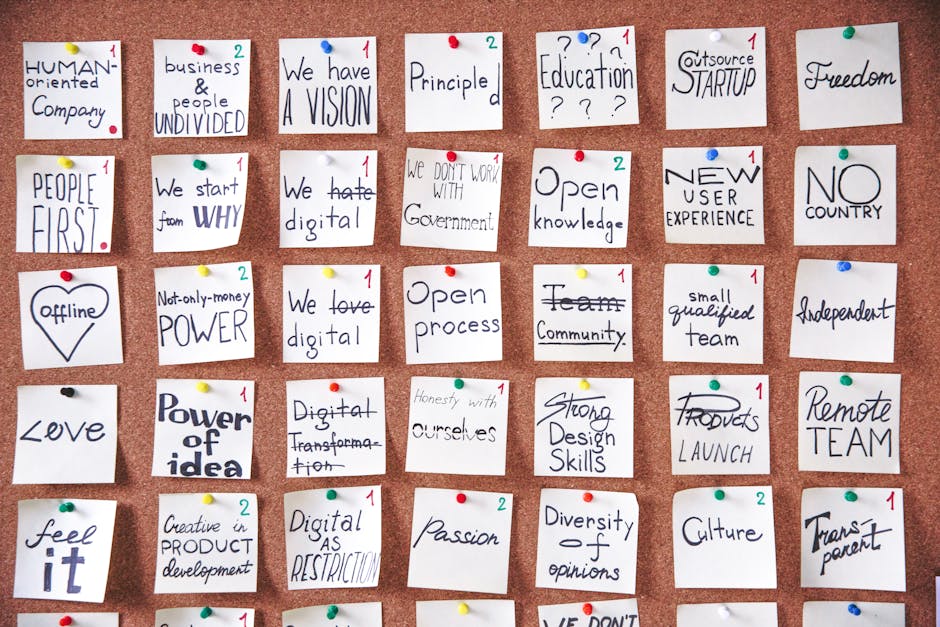
Key Players and Market Segmentation
Leading the charge are established technology giants alongside specialized service providers. Microsoft’s Viva platform exemplifies integrated employee experience solutions, combining communications, well-being, learning, and knowledge management. Meanwhile, consulting firms like Accenture and Deloitte are expanding workplace transformation advisory services to help clients align technology with culture and strategy. The market segments include digital workplace services, smart office solutions, and employee experience platforms. The smart office segment is expected to grow fastest, driven by IoT-enabled environments that adapt lighting, temperature, and space utilization in real time. This integration of physical and digital workspaces is reshaping how companies design offices for a post-pandemic workforce.
 Career Advice
Four Pillars of Career Advancement: Insights from McKinsey and LinkedIn
Discover the four essential pillars for career advancement and actionable steps for success at any stage.
Read More →Challenges and Divergent Perspectives
Despite rapid growth, workplace transformation faces hurdles. Data privacy concerns and cybersecurity risks escalate with increased reliance on cloud and AI technologies. Organizations must balance innovation with compliance and employee trust. Moreover, not all sectors or geographies adopt transformation strategies uniformly; manufacturing and heavy industry lag behind tech and finance in digital workplace maturity. Experts caution against viewing technology as a panacea. Workplace culture and leadership remain critical to successful transformation. Harvard Business Review highlighted in 2025 that organizations focusing solely on tools without addressing human factors risk employee disengagement and productivity loss.[4] This underscores the need for integrated approaches that combine tech, people, and processes.

Looking Ahead: Implications for Careers and Leadership
As workplace transformation accelerates, professionals must adapt to new competencies. Digital literacy, remote collaboration skills, and agility in managing hybrid teams are becoming baseline requirements. For educators and trainers, this signals the urgency to update curricula and professional development pathways to prepare the workforce for evolving demands. For business leaders, the imperative is clear: investment in workplace transformation is an investment in resilience and innovation. Monitoring emerging technologies and employee sentiment will be critical to sustaining competitive advantage. Policymakers also have a role in shaping frameworks that promote data security, equitable access to technology, and workforce inclusivity. The trajectory of workplace transformation suggests a future where work is more flexible, personalized, and technology-enabled. Organizations that embrace this complexity thoughtfully will define the next era of productive, engaged, and resilient workforces.
 Business And Entrepreneurship
Who wants to be an Entrepreneur?
Career Ahead We all have choices to make about the career we want to go into. When we make this…
Read More →