No products in the cart.

Sustainable Footwear: Innovations Shaping the Market by 2035
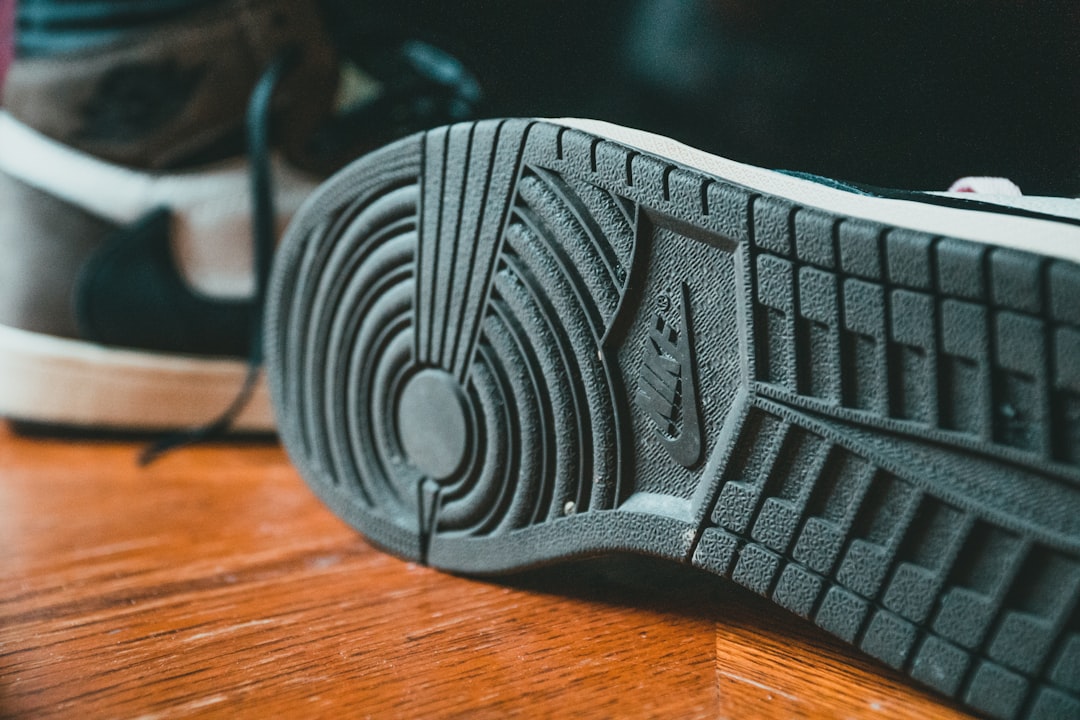
The footwear market is evolving with sustainable innovations and smart technologies, projected to grow at a 4.8% CAGR by 2035.

Portland, USA — The global footwear market is on a transformative journey, driven by sustainable innovations and smart technologies. According to a recent report, the market is expected to grow at a compound annual growth rate (CAGR) of 4.8%, reaching an estimated $530 billion by 2035. This growth is not merely a trend; it reflects a significant shift in consumer preferences and industry practices towards sustainability.
As environmental concerns rise, consumers are increasingly demanding products that are not only functional but also eco-friendly. This shift is prompting footwear companies to rethink their materials, production processes, and overall business models. The integration of smart technology into footwear is further enhancing this evolution, offering consumers advanced features while promoting sustainability.
The footwear industry has long been associated with environmental challenges, from resource-intensive production to waste generated at the end of a product’s life cycle. However, the tide is turning. Major brands like Nike, Adidas, and Puma are leading the charge by investing in sustainable materials and innovative manufacturing techniques. For instance, Adidas has committed to using only recycled polyester in its products by 2024, while Nike has introduced its Move to Zero initiative, aiming for zero carbon and zero waste across its supply chain.
 Business
BTS’ RM to Address APEC CEO Summit, Pioneering K-Pop Influence
BTS’ RM will be the first K-pop artist to address the APEC CEO Summit, highlighting the growing influence of pop…
Read More →Moreover, the rise of smart technology in footwear is creating new opportunities for sustainability. Companies are embedding sensors and connectivity into shoes, enabling consumers to track their usage and optimize their performance. For example, Under Armour’s HOVR shoes come equipped with a sensor that connects to a smartphone app, providing real-time feedback on running metrics. This not only enhances the user experience but also encourages consumers to make more informed choices about their footwear.
This growth is fueled by the increasing adoption of wearable technology and the demand for personalized fitness solutions.
According to a report by Research and Markets, the global smart footwear market is projected to grow significantly, with an expected CAGR of 23.4% from 2021 to 2028. This growth is fueled by the increasing adoption of wearable technology and the demand for personalized fitness solutions. As smart footwear becomes more mainstream, it is likely to play a crucial role in the overall sustainability narrative of the industry.
However, the transition to sustainable footwear is not without challenges. The cost of sustainable materials and technologies can be higher than traditional options, posing a barrier for some companies, particularly smaller brands. Additionally, consumer education is essential; many shoppers remain unaware of the environmental impact of their footwear choices. Brands must invest in marketing and educational campaigns to raise awareness and drive demand for sustainable products.

Furthermore, the regulatory landscape is evolving. Governments worldwide are implementing stricter regulations on waste and emissions, pushing companies to adopt more sustainable practices. The European Union, for instance, has introduced the Green Deal, which aims to make Europe climate-neutral by 2050. This regulatory pressure is likely to accelerate the shift towards sustainability in the footwear industry.
 Career Advice
Unlocking Opportunities: The Untapped Potential of Informational Interviews
Informational interviews can unlock career opportunities. Learn how to effectively use them with our step-by-step guide and templates.
Read More →Looking ahead, the intersection of sustainability and technology will define the future of the footwear market. As brands innovate and adapt, the focus will increasingly be on creating products that not only meet consumer demands but also contribute positively to the environment. The integration of circular economy principles, where products are designed for reuse and recycling, will become more prevalent.
Additionally, consumer education is essential; many shoppers remain unaware of the environmental impact of their footwear choices.

In this evolving landscape, companies that prioritize sustainability and embrace technological advancements will likely emerge as leaders. The footwear market is not just about shoes anymore; it’s about creating a sustainable future. As consumers become more conscious of their choices, the demand for innovative, eco-friendly footwear will only grow.
As we approach 2035, one question remains: How will your footwear choices impact the planet, and are you ready to embrace the sustainable options that are reshaping the industry?