No products in the cart.

Can AI Replace Middle Managers by 2025?

As companies explore AI's capabilities, the future of middle management hangs in the balance. This analysis examines the implications for young professionals.

As AI rapidly advances, the question of whether it can replace middle managers is becoming increasingly relevant. By 2025, many organizations are expected to deploy AI tools that could reshape management structures. This shift has significant implications for professionals aged 16 to 35, who may find themselves navigating a transformed job landscape.
Middle managers traditionally act as the bridge between upper management and employees. They ensure that company goals align with team actions. However, AI technologies are now capable of performing many tasks that these managers handle, such as data analysis, project management, and even team communication. For instance, tools like AI-driven analytics can provide insights into team performance without human oversight.
The deployment of AI in management roles isn’t purely speculative. Companies like Amazon and Google are already experimenting with AI solutions to streamline operations. According to a report from McKinsey, around 30% of tasks currently performed by middle managers could be automated by 2025. This raises questions about the future of these roles and the skills that will be in demand.
AI’s Capability to Transform Management Roles
 AI
AIThe Trillion-Dollar Gamble: AI’s Uncertain Future and Its Impact on Jobs
As AI technology surges, its potential to reshape job markets raises urgent questions. Will this be a new Industrial Revolution…
Read More →AI’s ability to process large amounts of data and recognize patterns makes it an attractive option for companies looking to optimize performance and reduce costs. For example, AI can analyze employee productivity and suggest improvements, which could lead to better team outcomes without the need for a middle manager’s input. Additionally, AI can handle routine administrative tasks such as scheduling and reporting, which often consume a middle manager’s time.
These skills are critical for maintaining employee morale and fostering a positive workplace culture.
However, the transition towards AI-managed teams is not without challenges. The human element of management—mentoring, conflict resolution, and team building—remains difficult for AI to replicate. These skills are critical for maintaining employee morale and fostering a positive workplace culture. As a result, while AI may replace certain tasks, it may not fully replace the role of middle managers.
young professionals should be aware of the evolving landscape. As AI continues to integrate into workplace processes, the demand for soft skills such as communication, empathy, and leadership will likely increase. Professionals who can blend technical expertise with strong interpersonal skills may find themselves in a favorable position in the job market.

Preparing for the Future of Management
For those currently in or entering the workforce, adapting to these changes will be crucial. Here are some actionable steps you can take to stay relevant:
 Career Advice
The Art of Inquiry: Smart Questions for Interns to Ask Executives
Asking thoughtful questions can elevate an intern's career. Discover key questions to ask executives for deeper learning and connection.
Read More →- Develop Technical Skills: Familiarize yourself with AI tools relevant to your field. Online courses and certifications can provide valuable knowledge.
- Enhance Soft Skills: Focus on improving your communication and leadership abilities. Engage in team projects or leadership roles to gain experience.
- Stay Informed: Keep up with industry trends and the latest AI developments. Subscribe to relevant publications and attend workshops.
- Network Actively: Build relationships with professionals in your field. Networking can lead to mentorship opportunities and valuable insights about the evolving job market.
However, some experts caution against fully relying on AI for management functions. According to a study by the International Monetary Fund (IMF), while automation can enhance efficiency, it may also lead to a loss of critical human oversight. The report emphasizes that organizations should not underestimate the importance of human judgment in decision-making processes.
Preparing for the Future of Management For those currently in or entering the workforce, adapting to these changes will be crucial.
The Evolving Landscape of Management in 2025
As we approach 2025, the role of middle managers will likely continue to evolve. Companies may adopt hybrid models where AI assists human managers rather than fully replacing them. This transition could lead to a new type of managerial role that emphasizes strategic thinking and emotional intelligence.
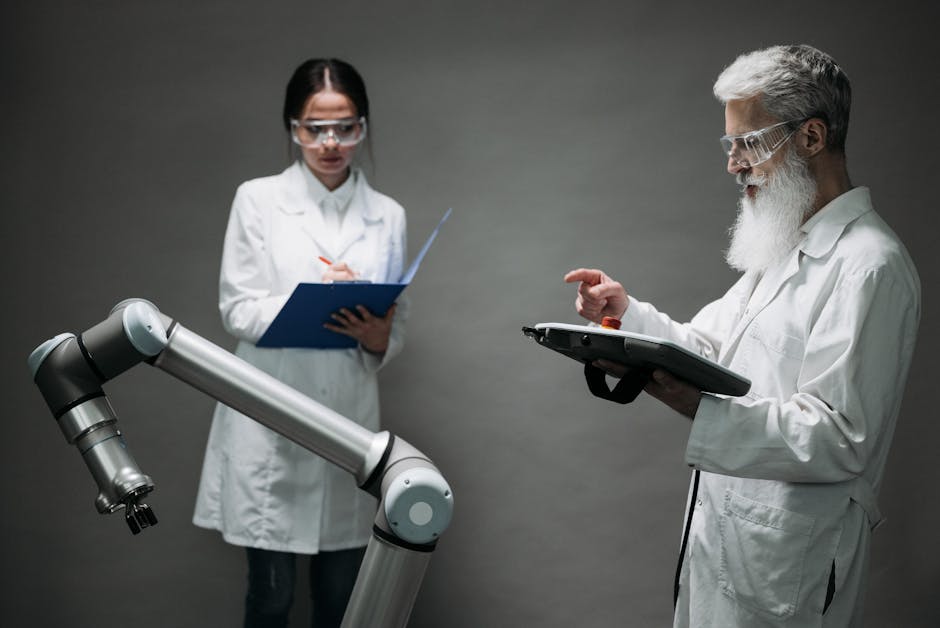
The landscape of work is changing rapidly. Are you prepared to adapt to an AI-driven management environment?