No products in the cart.

US Job Openings Decline to Lowest Level in More Than a Year

US job openings fell to a yearly low in November, indicating a hiring slowdown. This article explores the implications for job seekers and employers.

Washington, D.C. — US job openings have dropped to their lowest level in over a year, signaling a notable shift in the employment landscape. According to recent data, job openings fell to 9.5 million in November, a sharp decline from previous months. This trend suggests that employers are becoming increasingly cautious about expanding their workforce, which could have significant implications for job seekers and the overall economy.
This decline comes at a time when many workers are still navigating the aftermath of the pandemic. The labor market has shown signs of resilience, but the latest figures indicate that employers are hesitant to make significant changes to their headcount. The slowdown in hiring can be attributed to various factors, including economic uncertainty and shifting consumer demand.
Understanding these changes is crucial for job seekers. With fewer openings available, competition for jobs is expected to intensify. Many professionals may need to rethink their strategies for finding employment or advancing their careers. This shift could also impact salary negotiations and job security for current employees.
Why US Job Openings Are Declining
The decrease in job openings can be linked to several key factors affecting the US economy. Firstly, inflation has been a significant concern, leading to increased costs for businesses. As companies face tighter margins, they may opt to hold off on hiring new staff. According to the Bureau of Labor Statistics, the Consumer Price Index has risen steadily, prompting employers to reassess their workforce needs.
Many workers are re-evaluating their career paths and seeking roles that offer better work-life balance and job satisfaction.
Secondly, the ongoing uncertainty surrounding economic conditions, including potential recessions and fluctuating interest rates, has made employers wary of expanding their teams. Many companies are adopting a wait-and-see approach, which can lead to a stagnation in job growth.
Additionally, the labor market is witnessing a shift in employee preferences. Many workers are re-evaluating their career paths and seeking roles that offer better work-life balance and job satisfaction. This shift may lead to a mismatch between available positions and candidate expectations, further contributing to the decline in job openings.
You may also like
 AI & Technology
Higher Education at a Point of No Return: How 2025 Rewired the University System
2025 marked a pivotal year for higher education, shifting focus from degrees to skills and adaptability.
Read More →As a result, job seekers must be prepared for a more competitive landscape. Understanding the reasons behind this decline can help individuals tailor their job search strategies effectively.
Implications for Job Seekers in the Current Market
The current job market presents both challenges and opportunities for job seekers. With job openings at a low point, it is essential to adapt to the evolving landscape. Here are some implications for various groups of job seekers:
- Entry-Level Candidates: For recent graduates and entry-level candidates, the competition will be fierce. It is vital to focus on building relevant skills and gaining experience through internships or volunteer work. Networking can also play a crucial role in uncovering hidden job opportunities.
- Mid-Career Professionals: Those with several years of experience may need to reassess their career goals. Upskilling or reskilling can enhance employability. Consider pursuing certifications or training programs that align with industry demands.
- Career Switchers: Individuals looking to change careers should be strategic. Research industries that are still hiring and consider how transferable skills can be highlighted in applications. Tailoring resumes to specific roles can make a significant difference.
Overall, job seekers must remain proactive and adaptable in this challenging environment. Staying informed about market trends and continuously improving skills will be key to navigating the current job landscape.
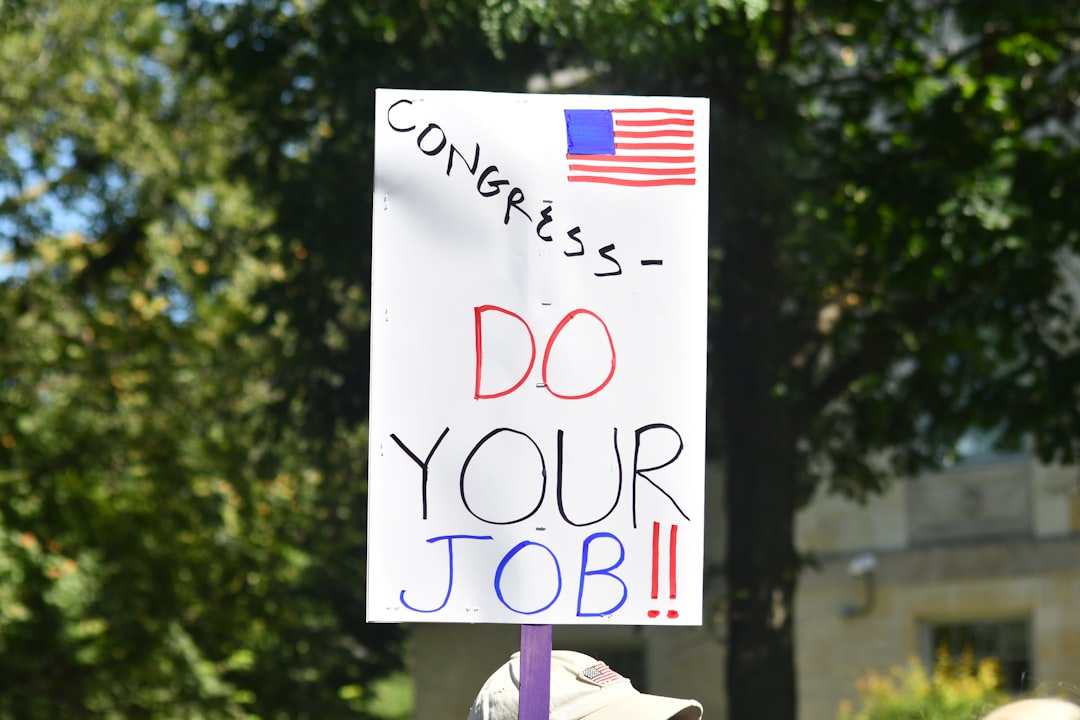
However, experts warn that this trend may not be sustainable. A recent report from the Economic Policy Institute suggests that while job openings have decreased, the underlying demand for workers remains strong in certain sectors. This could lead to a rebound in hiring as economic conditions stabilize.
It is vital to focus on building relevant skills and gaining experience through internships or volunteer work.
The Future of Job Openings in the US
<pLooking ahead, the future of job openings in the US will depend on several factors. Economic recovery efforts, inflation control measures, and consumer confidence will all play a role in shaping the job market. If inflation can be managed effectively, businesses may feel more confident in expanding their workforces.
You may also like
 Career Tips
US Education Department Allocates $208 Million for School Mental Health Programs
The US Education Department has redirected $208 million to enhance mental health programs in schools, addressing critical needs for student support.
Read More →Additionally, as remote work continues to be a preferred option for many, companies may need to adapt their hiring strategies. This shift could lead to more flexible job openings, allowing employers to tap into a broader talent pool. Understanding these trends will be crucial for job seekers as they plan their next career moves.
As the job market evolves, one question remains: How will you position yourself to stand out in a competitive landscape?