No products in the cart.

Google’s Ex-CEO Supports Innovative Telescope Ventures
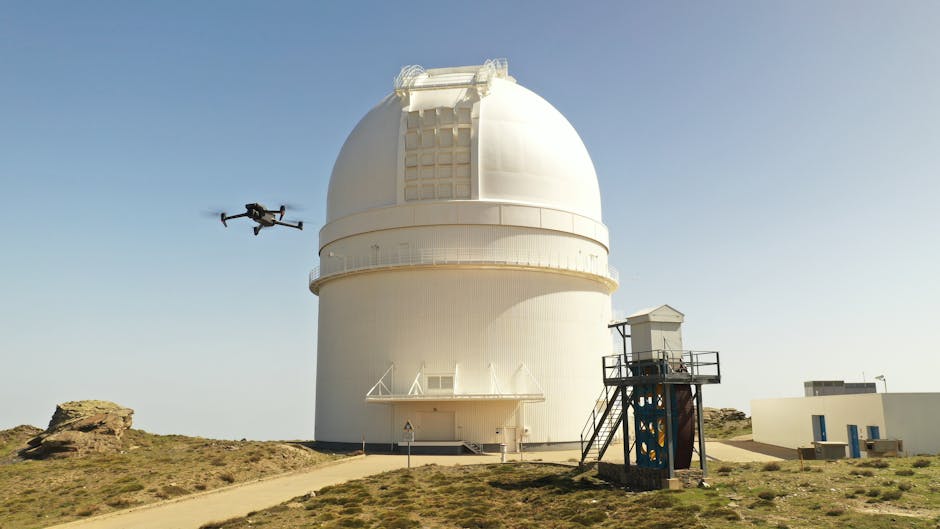
Eric Schmidt advocates for a start-up approach to building advanced telescopes, aiming to revolutionize space exploration and astronomy careers.

Mountain View, California — Eric Schmidt, the former CEO of Google, is advocating for a groundbreaking shift in how we approach the construction of large telescopes for space exploration. His support for a start-up-like model aims to revolutionize the traditional methodologies that have long dominated astronomical research. This initiative comes at a time when the demand for advanced astronomical tools is greater than ever, as scientists seek to explore the depths of space and uncover its mysteries.
Schmidt, alongside his wife Wendy, believes that the current paradigm of developing massive telescopes is not only costly but also time-consuming. By adopting a start-up mentality, they envision a more agile and innovative approach that could expedite the development of these essential tools. The Schmidts are backing projects that promise to make significant advancements in astronomy, including the construction of a giant space telescope and powerful ground observatories.
Why does this matter now? As the world grapples with pressing issues such as climate change and the search for extraterrestrial life, the need for enhanced observational capabilities in astronomy has never been more critical. Schmidt’s backing reflects a broader recognition among tech leaders that the future of space exploration requires not just investment but also a shift in how we think about and build the tools necessary for such endeavors.
Why a Start-Up Approach Could Transform Astronomy
The traditional method of constructing large telescopes has often been bogged down by bureaucratic processes and lengthy timelines. Schmidt’s vision introduces a start-up approach that emphasizes rapid prototyping, iterative development, and collaboration across various disciplines. This model could lead to faster advancements in technology and a more dynamic response to the evolving needs of astronomical research.
 Gaming
Discover Pokémon Pokopia: A Cozy Life Sim for Mental Health
Explore how Pokémon Pokopia blends adventure and relaxation, enhancing mental well-being through community and mindfulness.
Read More →Start-ups are known for their ability to pivot quickly and adapt to new information. This flexibility is especially important in fields like astronomy, where discoveries can change the direction of research. By fostering an environment where innovation can thrive, Schmidt’s initiatives could lead to breakthroughs that were previously thought impossible.
Moreover, this approach could open up new career opportunities for young professionals in the field.
Moreover, this approach could open up new career opportunities for young professionals in the field. As new companies emerge to tackle the challenges of building advanced telescopes, there will be a growing demand for skilled workers in engineering, data analysis, and scientific research. This shift could attract a diverse range of talent to the field of astronomy, enriching the discipline with fresh perspectives and ideas.
Implications for Careers in Astronomy and Technology
The support from Schmidt highlights a significant intersection between technology and astronomy. As start-ups begin to play a larger role in telescope development, several career implications arise for professionals in both fields.
For entry-level candidates, the landscape is becoming increasingly accessible. Start-ups often prioritize skills and practical experience over traditional qualifications. This means that individuals with relevant skills, such as programming or engineering, can find opportunities even without advanced degrees. As more companies emerge, the barrier to entry for aspiring astronomers and technologists is lowered.

Mid-career professionals may find themselves at the forefront of this transition. As established companies collaborate with start-ups, there will be opportunities to lead innovative projects that blend traditional astronomical research with cutting-edge technology. This collaboration could enhance job satisfaction and career growth, as professionals engage in work that pushes the boundaries of what is possible.
 Business Insights
Anthropic’s Governance Crisis: What It Means for AI Careers
Anthropic's self-regulation issues raise questions about job roles in AI governance and ethical development. Here's what it means for your…
Read More →For those looking to switch careers, the rise of start-ups in astronomy presents a unique chance to pivot into a growing field. With the increasing reliance on technology in astronomical research, professionals from tech backgrounds can leverage their skills to contribute to this exciting sector. The emphasis on innovation could make it easier for career switchers to find roles that align with their interests and expertise.
This collaboration could enhance job satisfaction and career growth, as professionals engage in work that pushes the boundaries of what is possible.
- Stay informed: Follow developments in the start-up ecosystem related to astronomy. Engage with online communities and attend industry conferences.
- Enhance your skills: Consider taking courses in data science, programming, or engineering to position yourself for roles in this evolving field.
- Network actively: Connect with professionals in both the tech and astronomy sectors. Building relationships can open doors to new opportunities.
However, some experts caution against overly relying on start-up models in such a high-stakes field. They argue that the rigor and reliability of traditional methods are essential for producing credible results in astronomy. The balance between innovation and proven methodologies will be crucial as this sector evolves.
The Future of Astronomy with Start-Up Innovations
Looking ahead, the intersection of technology and astronomy is poised for significant transformation. As more tech leaders like Schmidt advocate for innovative approaches, we could see a new wave of discoveries that reshape our understanding of the universe.
Start-ups may soon become the driving force behind advancements in telescope technology, leading to more efficient and powerful observational tools. This shift could not only enhance our ability to explore space but also inspire a new generation of scientists and engineers.
 Business Insights
Navigating Leadership Accountability and Responsibility in Modern Organizations
Learn how ambiguous definitions of leadership accountability and responsibility impact your career and organizational dynamics.
Read More →As these changes unfold, one question remains: How will the next generation of astronomers adapt to and shape this evolving landscape of innovation and discovery?