No products in the cart.

Teachers' association opposes Delhi University's move for Aadhaar-based attendance

New Delhi, India — The All Academics of Delhi Teachers' Association (AADTA) has raised significant concerns regarding the University of Delhi’s (DU) recent decision to implement an Aadhaar-based biometric attendance system. This move, announced in a notification on January 8, 2026, mandates that faculty members complete biometric registration to ensure…

New Delhi, India — The All Academics of Delhi Teachers’ Association (AADTA) has raised significant concerns regarding the University of Delhi’s (DU) recent decision to implement an Aadhaar-based biometric attendance system. This move, announced in a notification on January 8, 2026, mandates that faculty members complete biometric registration to ensure their attendance is linked to salary disbursement. The association argues that this system undermines academic autonomy and could lead to increased stress among educators.
According to the university’s statement, faculty members who fail to comply with the biometric attendance requirement risk non-processing of their salaries starting January 2026. This ultimatum has sparked widespread anxiety among the teaching staff, many of whom feel that the new policy contradicts earlier assurances that such a measure had been dropped from the agenda of the Executive Council. AADTA claims that the sudden enforcement of this policy amounts to coercion.
The teachers’ association expressed its concerns in a letter addressed to DU Vice-Chancellor Yogesh Singh, emphasizing that attendance is already governed by existing regulations from the University Grants Commission (UGC) and Delhi University ordinances. They argue that reducing complex academic responsibilities to a mere biometric check ignores the diverse nature of academic work, which includes teaching, research, and other responsibilities.
Concerns Over Academic Autonomy and Workload
Faculty members have voiced their worries that the biometric attendance system will further complicate their already demanding workloads. Under the current academic structure, educators are under pressure to meet publication requirements for promotions and to fulfill commitments related to the National Education Policy 2020. AADTA has highlighted that the additional requirement of biometric attendance could severely impact their work-life balance and academic rigor.
Moreover, the association criticized the university’s terminology, referring to colleges as “units” in official communications. This language, they argue, undermines the statutory status of colleges as academic institutions with their own governance structures. Such terminology could weaken the institutional autonomy that is crucial for effective academic governance.
Such terminology could weaken the institutional autonomy that is crucial for effective academic governance.
In their statement, AADTA demanded the immediate withdrawal of the January 8 notification and called for a halt to any penalties related to biometric attendance. They insist that any changes to service conditions should be deliberated upon by statutory bodies like the Academic Council and Executive Council, rather than being imposed through executive notifications.
You may also like
 Entrepreneurship & Business
The Paradox of AI Transparency
This article delves into the complexities of AI transparency, examining how it can mislead stakeholders while failing to ensure fairness in decision-making.
Read More →As the situation unfolds, it is clear that the implementation of an Aadhaar-based attendance system at Delhi University is not merely a procedural change; it reflects broader issues concerning academic freedom and faculty rights in India’s higher education landscape.
Impact on Faculty Morale and Student Outcomes
The introduction of biometric attendance could have far-reaching implications for both faculty morale and student outcomes. Educators who feel micromanaged or undervalued may experience decreased job satisfaction, which can directly affect their teaching effectiveness. Research indicates that a positive work environment is essential for educators to thrive and, in turn, positively influence their students.
Furthermore, the emphasis on attendance tracking through biometric systems may shift the focus away from meaningful educational engagement. Faculty members may feel pressured to prioritize their presence over the quality of their teaching, potentially leading to a decline in the overall academic experience for students.
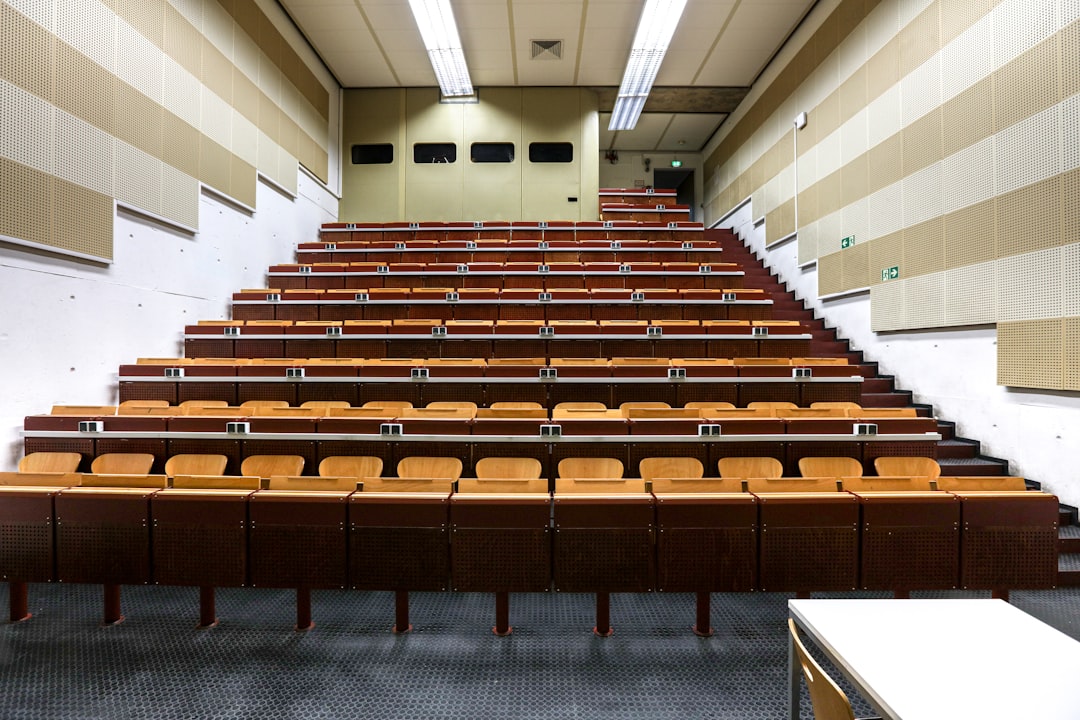
As the AADTA continues to voice its opposition, faculty members are encouraged to engage in discussions about the implications of such policies. This situation serves as a reminder of the importance of faculty voices in shaping educational policies that affect their work and the learning environment for students.
However, some experts suggest that while attendance tracking is essential for accountability, the method of implementation should be reconsidered. A recent study by the National Institute of Education Policy argues that traditional methods of attendance tracking, such as manual roll calls, can be equally effective without infringing on faculty autonomy. They caution that the current approach may lead to resistance rather than compliance.
This situation serves as a reminder of the importance of faculty voices in shaping educational policies that affect their work and the learning environment for students.
Looking Ahead: The Future of Academic Policies at Delhi University
As the debate surrounding the Aadhaar-based attendance system continues, it raises important questions about the future of academic policies at Delhi University and similar institutions across India. The outcome of this controversy could set a precedent for how educational institutions implement attendance tracking and other administrative measures in the future.
You may also like
 Career Guidance
Biocon’s Leadership Transition Under Kiran Mazumdar-Shaw
Biocon, a leading player in the biotechnology sector, is undergoing a significant leadership transition as Kiran Mazumdar-Shaw announces a phased succession plan for her niece,…
Read More →Moving forward, it is crucial for universities to engage in transparent dialogues with faculty members and stakeholders when considering significant policy changes. The implementation of technology in educational settings should enhance, rather than hinder, the academic experience. As the landscape of higher education evolves, maintaining a balance between accountability and academic freedom will be essential for fostering a positive educational environment.
Will Delhi University reconsider its approach to attendance tracking in light of faculty feedback, or will this situation escalate into a larger conflict over academic autonomy? The answer may determine the future direction of educational policies in India.