No products in the cart.

Navigating the Path to Becoming a School Counsellor in Australia

Discover essential steps and qualifications needed to become a school counsellor in Australia, along with insights into the profession's challenges and rewards.

Becoming a school counsellor in Australia offers a rewarding career path for those passionate about supporting students‘ mental health and well-being. As schools increasingly recognize the importance of mental health, the demand for qualified school counsellors is on the rise. According to the Australian Institute of Health and Welfare, mental health conditions are significant concerns for children, highlighting the critical role school counsellors play in helping young people navigate their complex challenges.
Today, students face a myriad of pressures, from academic stress to social anxieties exacerbated by a rapidly changing world. The role of a school counsellor has never been more vital. Not only do they provide individual and group counselling, but they also develop support plans, engage with families, and collaborate with educators to create a supportive school environment.
Understanding the pathway to becoming a school counsellor is essential for aspiring professionals. This article outlines the qualifications, skills, and steps necessary to enter this rewarding field.
Understanding the Role of a School Counsellor
A school counsellor’s responsibilities are diverse and impactful. They provide crucial support to students facing personal and academic challenges. Some key duties include:
- Individual and Group Counselling: Conducting sessions to help students manage personal issues and academic pressures.
- Developing Support Plans: Creating tailored strategies to address individual student needs.
- Crisis Intervention: Responding to urgent situations such as bullying or severe mental health issues.
- Collaboration: Working with teachers and external agencies to integrate mental health strategies into the school environment.
- Parental Engagement: Communicating with parents to provide guidance and resources.
The skills required for this role are equally varied. Empathy, strong communication, analytical problem-solving, and cultural sensitivity are essential attributes for effective counselling. Moreover, maintaining confidentiality and ethical standards is crucial in building trust with students.
They provide crucial support to students facing personal and academic challenges.
You may also like
 Career Guidance
Visa Gateways Redrawn: How Shifting Policies Reshape Global Student Mobility and Career Capital
Visa policy realignment is redefining the global flow of talent, prompting universities to build transnational ecosystems and students to seek portable career capital, thereby reshaping…
Read More →As the educational landscape evolves, so does the role of school counsellors. They are not just support figures; they are integral to fostering a positive school culture that prioritizes mental health.

Essential Qualifications for Aspiring School Counsellors
To become a school counsellor in Australia, certain educational qualifications are typically required. While there is no federal law mandating specific credentials, most positions necessitate at least an undergraduate degree in a relevant field such as psychology, social work, or education.
Following the undergraduate degree, many aspiring counsellors pursue postgraduate qualifications. Advanced studies, such as a Master of Mental Health or a Master of Child and Adolescent Mental Health, can significantly enhance employability. These programs equip graduates with contemporary knowledge and skills to address mental health challenges effectively.
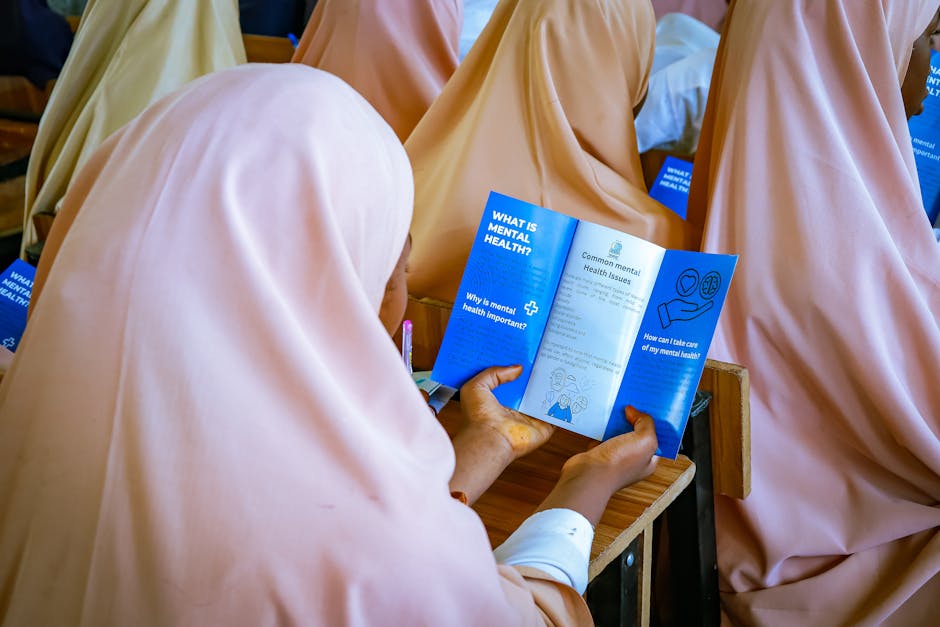
In addition to formal education, obtaining membership with a recognized professional body, such as the Australian Counselling Association (ACA) or the Psychotherapy and Counseling Federation of Australia (PACFA), is beneficial. Membership not only enhances credibility but also provides access to professional development and networking opportunities.
State-specific requirements may also apply. For instance, obtaining a Working with Children Check (WWCC) is mandatory for anyone working with minors in Australia. This background check is essential for ensuring the safety and well-being of students.
Membership not only enhances credibility but also provides access to professional development and networking opportunities.
Actionable Steps to Launch Your Career as a School Counsellor
If you are considering a career as a school counsellor, here are actionable steps to help you on your journey:
You may also like
 Career Guidance
Micromanagement’s Hidden Cost: How Over‑Engineering Undermines Career Capital and Institutional Resilience
Micromanagement's rise transforms discretionary work into algorithmic oversight, draining career capital, skewing talent pipelines, and prompting a systemic shift toward autonomy‑centric governance.
Read More →- Research Educational Programs: Look for accredited universities offering degrees in psychology, social work, or education. Consider programs that provide practical experience, such as internships or placements.
- Pursue Advanced Qualifications: After completing your undergraduate degree, enroll in a postgraduate program that aligns with your career goals. Specializing in child and adolescent mental health can set you apart in the job market.
- Join Professional Associations: Become a member of organizations like ACA or PACFA. This will not only enhance your credibility but also keep you informed about industry trends and professional development opportunities.
- Network with Professionals: Attend workshops, seminars, and conferences related to school counselling. Networking with experienced professionals can provide valuable insights and potential job leads.
Experts have noted that while mental health awareness is growing, many schools still struggle to provide adequate support due to a shortage of trained counsellors. This gap could hinder the effectiveness of mental health initiatives within schools.