No products in the cart.

Walmart Cites Worrying Economic: What It Means for Your Career

Walmart has recently issued a cautious forecast, citing troubling economic indicators. This signals a potential hiring recession that could impact job seekers and employees alike. As one of the largest employers in the world, Walmart's outlook serves as a bellwether for the broader economy. Understanding these shifts is crucial for…

Walmart has recently issued a cautious forecast, citing troubling economic indicators. This signals a potential hiring recession that could impact job seekers and employees alike. As one of the largest employers in the world, Walmart’s outlook serves as a bellwether for the broader economy. Understanding these shifts is crucial for anyone navigating their career in the current climate.
The retail giant’s forecast indicates that it expects slower growth in earnings than Wall Street anticipated. According to Walmart, pressures on consumers and a “hiring recession” are contributing to this cautious stance. With inflation affecting consumer spending and rising interest rates, potential employees may find the job market tightening in the coming months.
For young professionals or those entering the job market, this news is particularly relevant. The job landscape is shifting, and it is essential to understand how these economic indicators will affect your career prospects.
Why Walmart’s Forecast Matters for Job Seekers
Walmart’s cautious forecast is more than just a warning; it reflects a broader trend in the economy. As consumer spending decreases, companies may start to freeze hiring or even lay off employees. This situation creates a ripple effect across various sectors, influencing everything from retail to technology.
A recent report indicates that the retail sector, particularly, faces challenges as inflation continues to squeeze consumers’ disposable income. As noted by analysts, “Retailers are bracing for a slowdown as consumers prioritize essential goods over discretionary spending”[1]. This shift could lead to fewer job openings and increased competition for available positions.
As a job seeker, being aware of these interconnected economic factors is vital for strategic career planning.
Moreover, the economic indicators reported by Walmart align with findings from other sectors. For instance, the Eurozone is also experiencing industrial weakness, which could further impact international trade and employment opportunities in the U.S.[2]. As a job seeker, being aware of these interconnected economic factors is vital for strategic career planning.
You may also like
 AI & Technology
Neurodiversity’s Ascent: How Inclusive Exam Policies Are Reshaping Professional Talent Pools
Institutional mandates, targeted programs, and AI-driven personalization are converging to turn neurodiverse exam success into a systemic lever for career capital and firm productivity.
Read More →Additionally, the concern over a hiring recession is echoed by various experts who warn that companies might prioritize retaining existing talent over hiring new employees. This could lead to a stagnation in job growth, particularly for entry-level positions that are often the first to be affected in economic downturns.
How This Affects Your Job Prospects
With Walmart’s forecast in mind, it is essential to consider how this economic climate will affect various career stages. For entry-level job seekers, the competition may become more intense as companies tighten their hiring processes. Many recent graduates may find it challenging to secure positions as employers become more selective.
Mid-career professionals could face layoffs as companies look to cut costs. Those in industries heavily reliant on consumer spending may need to pivot to more stable sectors. Understanding which fields are resilient during economic downturns will be crucial for job security.
For career switchers, this is a critical moment to evaluate your skills and marketability. Upskilling or reskilling in areas that are in demand can set you apart from other candidates. According to a recent survey, tech skills are still highly valued, and professionals in this field are likely to fare better in the current economic climate[3].
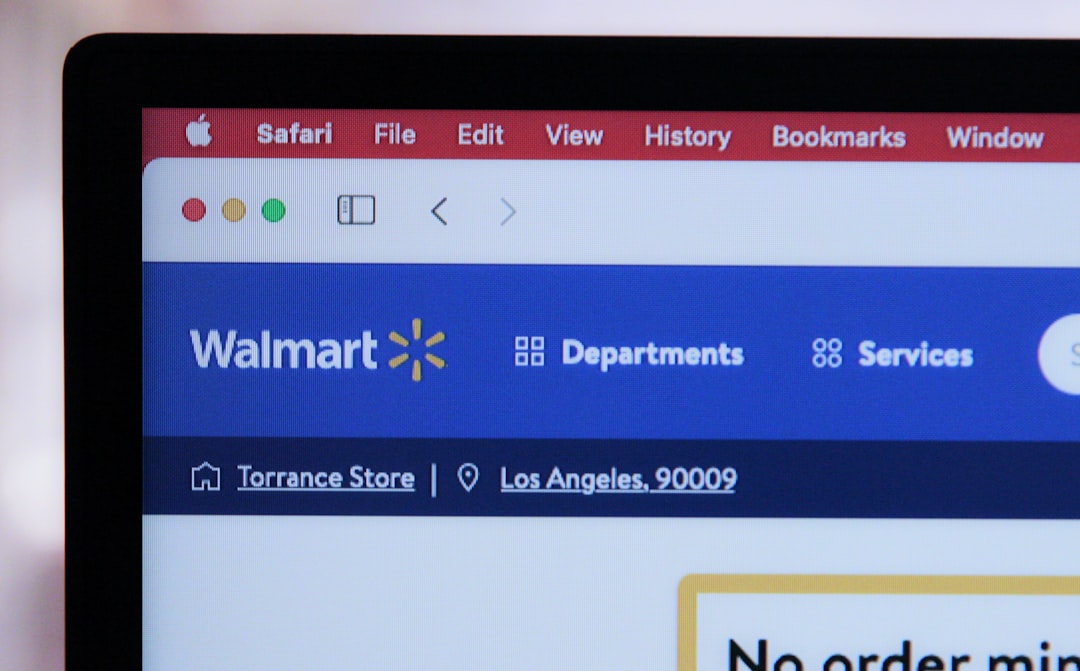
For career switchers, this is a critical moment to evaluate your skills and marketability.
What You Can Do Now to Prepare
- Update Your Resume: Ensure your resume reflects your most relevant skills and experiences. Tailoring it for specific job applications can increase your chances of getting noticed.
- Network Actively: Engage with professionals in your industry through platforms like LinkedIn. Building connections can lead to job opportunities that may not be advertised.
- Upskill: Consider taking online courses or certifications in high-demand areas. This can enhance your employability and show potential employers your commitment to growth.
- Stay Informed: Keep an eye on economic trends and how they affect your industry. Being knowledgeable about the market can give you an edge in interviews and job discussions.
However, experts warn that this trend may not be sustainable. A recent analysis indicates that while companies are currently cautious, they may need to adapt quickly if consumer spending rebounds. A shift in economic conditions could lead to a sudden increase in hiring, catching many professionals off guard.[4]
The Future of Hiring Amid Economic Uncertainty
Looking ahead, the job market may continue to experience fluctuations as economic indicators evolve. Companies will likely remain cautious until there is a clear sign of economic recovery. This means job seekers should prepare for a landscape that may require adaptability and resilience.
You may also like
 Career Guidance
Slow Fashion’s Institutional Upswing: How Craftsmanship Is Redefining Professional Identity in the Post‑COVID Workforce
Post‑Pandemic Consumer Realignment and Institutional Pressure The COVID‑19 shock acted as a catalyst for a systemic re‑evaluation of consumption patterns …
Read More →As we move through 2026, keeping an eye on consumer spending trends will be essential. A rebound in spending could signal a shift in hiring practices, potentially opening up new opportunities. Conversely, prolonged economic uncertainty may lead to more companies adopting a conservative approach to hiring.

In this environment, how will you position yourself to navigate the challenges and seize opportunities as they arise? The ability to adapt and respond to changing market conditions will be key to your career success.