No products in the cart.

Trump’s Tariff Increase: What It Means for Global Trade
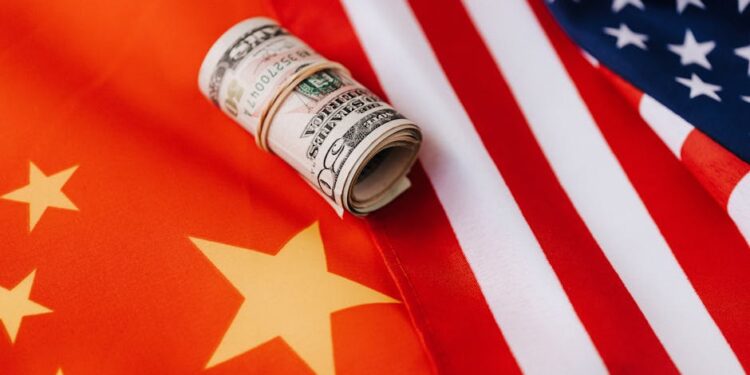
Trump's recent tariff increase to 15% on all imports raises significant questions about global trade dynamics. This article explores the implications for businesses and consumers.

The recent announcement by President Trump to raise tariffs on all imports to 15% marks a significant shift in U.S. trade policy. This decision comes just a day after the Supreme Court ruled against his previous tariff strategy, citing a lack of congressional approval. The implications of this move reverberate beyond U.S. borders, affecting global trade dynamics and potentially leading to economic repercussions worldwide.
As businesses and consumers brace for the impact, it’s crucial to understand what this means for various sectors. With the global economy still reeling from the effects of the pandemic, this tariff hike could exacerbate existing challenges for international trade. You may be wondering how this will affect your career, your business, or the products you purchase.
Trump’s decision to increase tariffs from 10% to 15% is rooted in his administration’s ongoing efforts to revitalize U.S. manufacturing. According to a recent report, U.S. businesses have already paid over $130 billion in tariffs, with consumers bearing the brunt of these costs. The new tariff rate, effective immediately, is expected to create further strain on industries that rely on imported goods.
Understanding the Tariff Increase’s Impact on Global Trade
The new tariff policy has sparked reactions from international leaders and business communities alike. German Chancellor Friedrich Merz expressed concern about the uncertainty this creates for European economies. He noted that constant changes in tariff policies are detrimental to trade relations, stating, “The biggest poison for the economies of Europe and the U.S. is this constant uncertainty about tariffs. And this uncertainty must end.”
businesses have already paid over $130 billion in tariffs, with consumers bearing the brunt of these costs.
Similarly, French President Emmanuel Macron emphasized the importance of reciprocity in trade agreements, suggesting that unilateral decisions could lead to retaliatory measures from other countries. This sentiment is echoed by William Bain, head of trade policy at the British Chamber of Commerce, who warned that the tariff increase could harm trade, weaken global economic growth, and lead to higher prices for consumers.
You may also like
 AI & Technology
Why Visible Learning Portfolios Are Essential for Career Growth in 2025
Visible learning portfolios are becoming critical for professionals navigating career shifts and skill demands. This feature explores why and how showcasing competencies publicly impacts hiring,…
Read More →Moreover, the tariff hike raises questions about the future of U.S. trade relations with countries that had previously negotiated lower tariffs. For instance, the UK had agreed to a 10% tariff with the U.S., and now faces uncertainty regarding how this new policy will affect their trade agreements. Businesses must now navigate this complex landscape, balancing the need for competitive pricing with the realities of increased costs due to tariffs.

Implications for Your Career and Business Strategies
As a professional or business owner, it’s essential to understand how these tariff changes may impact your industry. Here are some specific implications:
- Increased Costs: If your business relies on imported materials or products, you may face increased costs that could affect your pricing strategy. Evaluate your supply chain and consider alternative sourcing options to mitigate these costs.
- Market Adjustments: Be prepared for potential shifts in consumer behavior as prices rise. Consumers may turn to domestic products as imports become more expensive, which could create new opportunities for local businesses.
- Legal and Compliance Considerations: Stay informed about changes in trade regulations and compliance requirements. Consult with trade experts to ensure your business adheres to new tariffs and avoid penalties.
- Strategic Planning: Consider how these tariff changes will affect your long-term business strategy. Engage with stakeholders to discuss potential impacts and develop contingency plans.
However, experts warn that this trend may not be sustainable. A recent analysis suggests that while tariffs may provide short-term benefits for U.S. manufacturers, they could lead to long-term economic challenges. The reliance on tariffs as a primary tool for trade policy may undermine the principles of free trade and provoke retaliatory actions from other nations.
The Future of U.S. Tariff Policy and Global Trade
Looking ahead, the future of U.S. tariff policy remains uncertain. As the Biden administration prepares to take office, there may be shifts in trade strategies that could affect the current tariff landscape. The global economy is at a crossroads, and businesses must adapt to changing policies and market conditions.
Implications for Your Career and Business Strategies As a professional or business owner, it’s essential to understand how these tariff changes may impact your industry.
You may also like
 AI & Technology
Green Hydrogen: A New Frontier for India’s Startups and Researchers
India's ambition to become a hub for green hydrogen innovation relies on startups and young researchers. Explore the challenges and opportunities in this emerging field.
Read More →With ongoing discussions about trade agreements and international relations, the potential for further tariff adjustments exists. It’s crucial for professionals and businesses alike to stay informed and agile in response to these developments. How will you position yourself or your business to navigate this evolving trade environment?