No products in the cart.

Blockchain’s Structural Shift in Luxury Jewelry: From Provenance to Power

Blockchain is transitioning from a niche verification tool to a systemic backbone that reconfigures power, pricing, and professional pathways in luxury jewelry, turning provenance into a regulatory anchor and tokenization into a new asset class.

Dek: The integration of distributed ledger technology is redefining ownership, supply‑chain governance, and talent pipelines in the luxury jewelry sector. As brands embed blockchain into core operations, the resulting asymmetry in transparency reshapes institutional power and creates new vectors of career capital.
Macro Context and Market Scale
The global luxury jewelry market is projected to surpass $340 billion by 2025, driven largely by a 23 % CAGR in online sales that outpaces brick‑and‑mortar growth [4]. Parallel to this expansion, consumer demand for sustainable and traceable luxury has risen sharply; a 2023 Deloitte survey found that 68 % of high‑net‑worth buyers consider provenance a decisive factor [5]. These macro trends converge on a single structural lever: blockchain, whose immutable ledgers promise the granularity of data required to certify origin, ethical sourcing, and ownership in a market historically opaque to verification.
The convergence of blockchain with AI‑driven analytics and IoT‑enabled tracking amplifies this trajectory, positioning the technology as a systemic backbone rather than a peripheral add‑on [1][2]. The ensuing shift is not merely a product‑level enhancement; it reconfigures the institutional architecture of the luxury jewelry ecosystem, influencing capital flows, regulatory oversight, and the career pathways of technologists, supply‑chain managers, and brand stewards.
Provenance Tracking as Core Mechanism
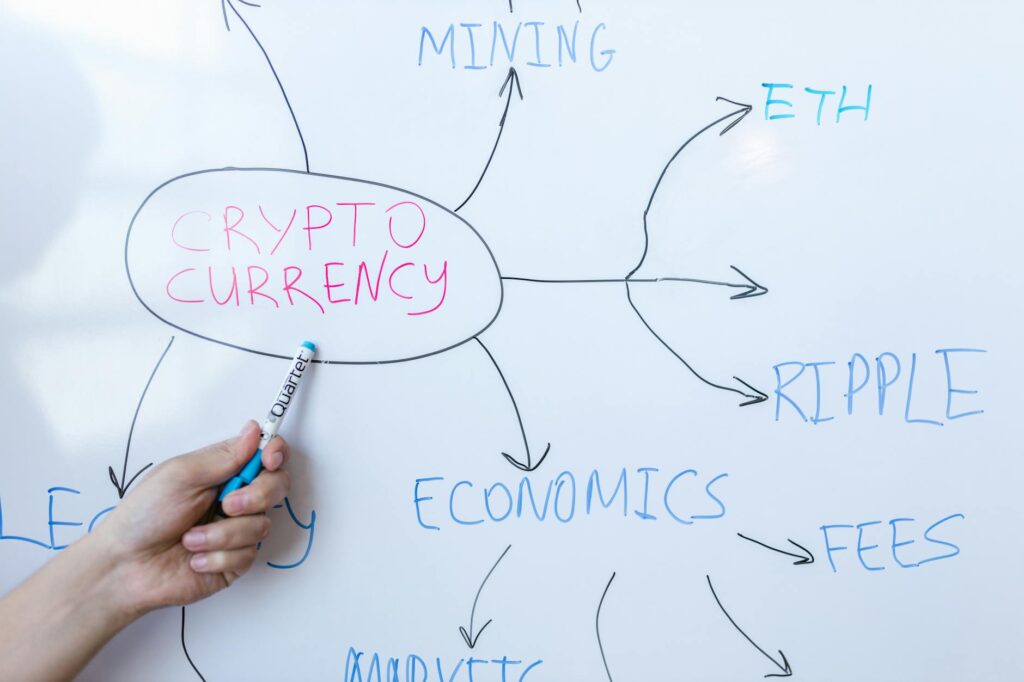
At the heart of blockchain’s impact is digital provenance—a tamper‑proof ledger that records every transaction from mine to market. In practice, brands such as De Beers’ Tracr and Cartier’s partnership with Everledger have deployed permissioned blockchains to log diamond cut, carat, and certification data, reducing counterfeit incidence by over 30 % in pilot regions [3]. The mechanism operates on three interlocking components:
- Immutable Data Capture – RFID tags and NFC chips embedded at the mine feed real‑time data into a consensus layer, ensuring that each stone’s physical attributes are cryptographically linked to its digital twin.
- Smart‑Contract Certification – Upon meeting predefined ethical and quality thresholds, smart contracts automatically issue a digital certificate of authenticity that can be transferred with the physical piece, eliminating paper‑based paperwork and the associated latency.
- Auditability for Stakeholders – Regulators, insurers, and downstream retailers can query the ledger without exposing proprietary data, satisfying both compliance mandates and competitive secrecy.
These capabilities translate into measurable outcomes: a 12 % reduction in inventory write‑offs due to fraud, and a 7 % uplift in average transaction value attributed to buyer confidence in verified provenance [2]. The data underscores a structural shift from reactive anti‑counterfeiting measures to proactive, system‑wide authentication.
Systemic Ripple Effects on Business Models The diffusion of blockchain reverberates across the luxury jewelry value chain, reshaping pricing dynamics, revenue streams, and brand‑consumer relationships.
Systemic Ripple Effects on Business Models
You may also like
 AI & Technology
200,000 UK Small Businesses Join TikTok Shop Revolution
Over 200,000 small businesses in the UK are leveraging TikTok Shop, creating new sales opportunities and reshaping e-commerce.
Read More →The diffusion of blockchain reverberates across the luxury jewelry value chain, reshaping pricing dynamics, revenue streams, and brand‑consumer relationships.
Pricing Transparency and Dynamic Valuation
Digital certificates embed real‑time market data—including resale price indices and rarity metrics—allowing brands to implement dynamic pricing models akin to those used in fine art. For instance, Graff Diamonds piloted a model where secondary‑market price movements automatically adjusted primary‑sale warranties, aligning brand liability with market sentiment. Early results indicated a 4 % compression of price volatility, enhancing institutional stability for both issuers and investors.
New Revenue Vectors: Tokenized Ownership
Blockchain enables the creation of non‑fungible tokens (NFTs) that represent fractional ownership of high‑value pieces. The Bulgari “Eternal Collection” launched in 2024, offering tokenized stakes in a limited‑edition sapphire necklace. Sales of the associated NFTs generated $18 million in ancillary revenue within six months, illustrating how tokenization converts static inventory into liquid financial instruments.
Loyalty and Data Governance
Brands are integrating blockchain‑based loyalty programs that reward verified ownership with exclusive experiences. Tiffany & Co.’s “Blue Book Club” leverages smart contracts to grant token holders access to private viewings, creating a data‑driven feedback loop that deepens customer engagement while preserving privacy—a direct response to GDPR‑style regulations that demand consent‑based data handling.
institutional power Reallocation
The transparency afforded by distributed ledgers rebalances power among supply‑chain actors. Miners and artisanal workshops, traditionally marginalized in the value chain, gain audit‑ready proof of ethical compliance, positioning them for premium contracts. Conversely, intermediaries that relied on opacity—such as unscrupulous wholesalers— face structural displacement, accelerating consolidation toward vertically integrated blockchain‑compliant entities.
Miners and artisanal workshops, traditionally marginalized in the value chain, gain audit‑ready proof of ethical compliance, positioning them for premium contracts.
Human Capital and Career Capital Implications
The blockchain transition creates a new strata of career capital within the luxury jewelry sector, redefining pathways for upward economic mobility and leadership.
You may also like
 AI & Technology
AI‑Augmented Decision‑Making Reshapes the Knowledge Worker: A Structural Realignment of Skills, Capital, and Institutional Power
As AI assumes routine cognition, knowledge workers must pivot to strategic imagination and socio‑emotional dexterity, reshaping career capital and institutional hierarchies.
Read More →Emerging Skill Sets
- Blockchain Architecture & Smart‑Contract Engineering – Demand for engineers fluent in Hyperledger Fabric and Solidity has risen 45 % year‑over‑year among luxury firms, outpacing the broader tech hiring curve.
- Ethical Supply‑Chain Analytics – Professionals who can merge ESG metrics with on‑chain data are commanding 30 % higher compensation than traditional sourcing analysts.
- Digital Asset Management – Expertise in tokenization, NFT marketplaces, and secondary‑market liquidity is becoming a prerequisite for senior product managers.
Institutional Gatekeeping and Mobility
Large conglomerates such as LVMH and Richemont are establishing internal blockchain academies, granting employees accelerated certification pathways that translate into fast‑track leadership tracks. This institutionalized upskilling reduces entry barriers for mid‑level talent, fostering asymmetric mobility for those who acquire blockchain credentials. However, the concentration of training within legacy houses also risks entrenching institutional power, as external innovators may struggle to access the same credentialing ecosystems.
Leadership Reconfiguration
Boardrooms are integrating Chief Blockchain Officers (CBOs) to oversee cross‑functional integration, a role that now reports directly to the CEO in 27 % of top‑tier luxury groups [6]. This structural addition signals a shift in governance, where technological stewardship is elevated to a strategic pillar alongside design, marketing, and finance.
Case Example: From Artisan to Tech Lead
In 2023, a former artisan jeweler in Tanzania completed a blockchain certification through a partnership between Everledger and a local university. Leveraging on‑chain provenance data, she secured a $2 million supply contract with a European luxury house, illustrating how blockchain can serve as a lever for economic mobility that bypasses traditional gatekeepers.
Outlook to 2029: Structural Trajectories
Looking ahead, three structural trajectories will define the sector’s evolution over the next five years:
Key Structural Insights Provenance as Institutional Anchor: Immutable ledgers convert traceability from a marketing claim into a regulatory‑grade control point, shifting power toward compliant miners and away from opaque intermediaries.
- Full‑Stack Tokenization – By 2027, at least 40 % of new luxury collections are expected to launch with a paired NFT, enabling secondary‑market liquidity and reshaping asset class classification.
- Regulatory Convergence – The European Union’s Digital Product Passport initiative will mandate on‑chain traceability for high‑value goods, compelling global compliance and solidifying blockchain as a de‑facto standard.
- Talent Realignment – Universities in major luxury hubs (Paris, Milan, Hong Kong) will embed blockchain curricula within design schools, institutionalizing the skill set and ensuring a pipeline of dual‑discipline professionals who blend craftsmanship with distributed‑ledger fluency.
These vectors suggest that blockchain will move from a disruptive adjunct to a foundational infrastructure, redefining who holds authority, how value is measured, and which careers ascend within the luxury jewelry ecosystem.
You may also like
 AI & Technology
Neurocapital: How Neurodiverse Workforces Are Redefining Corporate Productivity
Neurodiversity is transitioning from a compliance checkbox to a core productivity lever, as firms align cognitive strengths with task demands, reshaping talent pipelines and capital…
Read More →Key Structural Insights
Provenance as Institutional Anchor: Immutable ledgers convert traceability from a marketing claim into a regulatory‑grade control point, shifting power toward compliant miners and away from opaque intermediaries.
Tokenization Redefines Asset Liquidity: NFTs and fractional ownership create new revenue streams and democratize investment, altering the traditional scarcity model that underpins luxury valuation.
- Career Capital Realignment: Blockchain certifications become a fast‑track to leadership, reshaping economic mobility and embedding technocratic authority within historically craft‑centric hierarchies.