No products in the cart.

Rising Tensions in Iran: What It Means for India’s Trade and Jobs
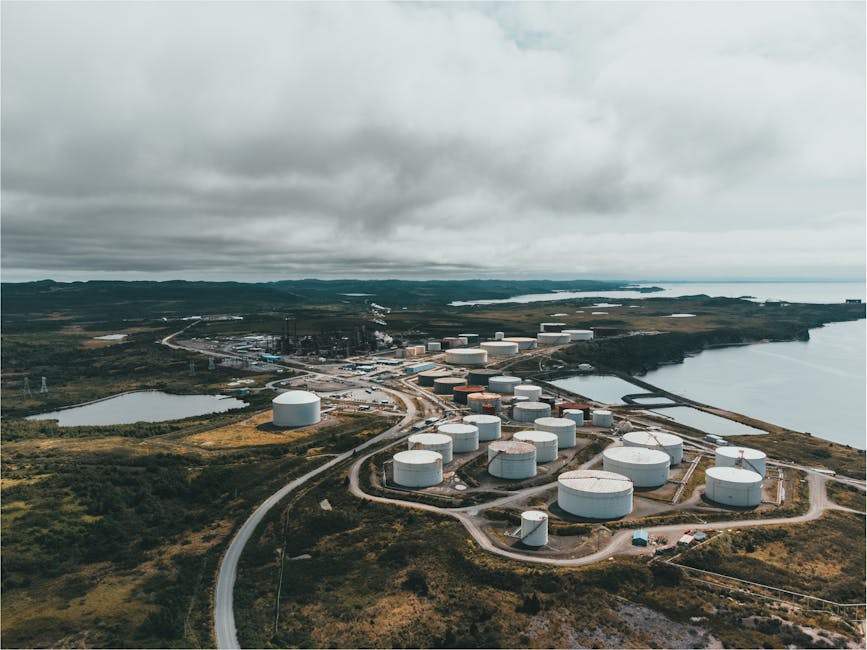
The recent attacks on Iran by Israel and the US threaten India's exports and crude oil imports, raising concerns over inflation and job security.

India’s trade landscape is facing a significant upheaval following the recent attacks on Iran by Israel and the United States. As tensions escalate, the potential for disruptions in crude oil imports and exports looms large, threatening inflation and job security across various sectors. With approximately 65% of India’s crude oil imports routed through the Suez Canal, the repercussions of these geopolitical developments could be profound, particularly for industries reliant on stable energy prices.
As reported, the attacks have already raised concerns among industry leaders regarding the viability of trade routes. The Bab-el-Mandeb Strait, a crucial chokepoint for shipping, is now viewed as a high-risk zone due to ongoing military activities. Shipping costs are expected to surge, with freight and insurance premiums potentially skyrocketing, impacting the bottom line for Indian exporters and importers alike. S.C. Ralhan, president of the Federation of Indian Export Organisations (FIEO), highlighted that prolonged diversions could add 15 to 20 days to transit times, significantly increasing operational costs for businesses relying on timely deliveries.
Historical Parallels of Trade Disruptions
This situation echoes previous crises that have disrupted trade, particularly the logistical nightmares experienced during the Red Sea crisis. Back then, similar geopolitical tensions led to significant delays and increased costs for Indian exporters, which many fear could repeat in the current scenario. The apparel and leather sectors, known for their narrow profit margins, are particularly vulnerable. A. Sakthivel, chairman of the Apparel Export Promotion Council, expressed grave concerns over potential delays, stating that being two weeks late can lead to steep discounts from European retailers.
The Suez Canal, which handles about 30% of global container trade, is indispensable for India’s trade with North Africa and the Mediterranean. With the current military situation, the risk of container shortages and port congestion is re-emerging as a pressing issue. The stakes are high for India’s goal of reaching $2 trillion in exports by 2030, which may now hinge more on international stability than local manufacturing capabilities.
 Immigration
Trump’s H-1B Fee Proposal: Implications for India’s Skilled Workers
Trump's proposed $100K H-1B fee raises questions about its impact on India's skilled workforce. Explore the implications for global talent…
Read More →Entry-level positions may see hiring slow down, while mid-career professionals might need to pivot to roles that are more resilient to these economic changes.
Moreover, the conflict’s impact on energy prices cannot be understated. With crude oil being a critical input for numerous industries, any disruption could lead to increased costs that would ultimately be passed on to consumers. The Reserve Bank of India (RBI) is already under pressure to manage inflation, which could be further exacerbated by fluctuating oil prices. Ralhan noted that sustained weakness in the Indian rupee could complicate these inflationary pressures, making it even more challenging for businesses to maintain profitability.
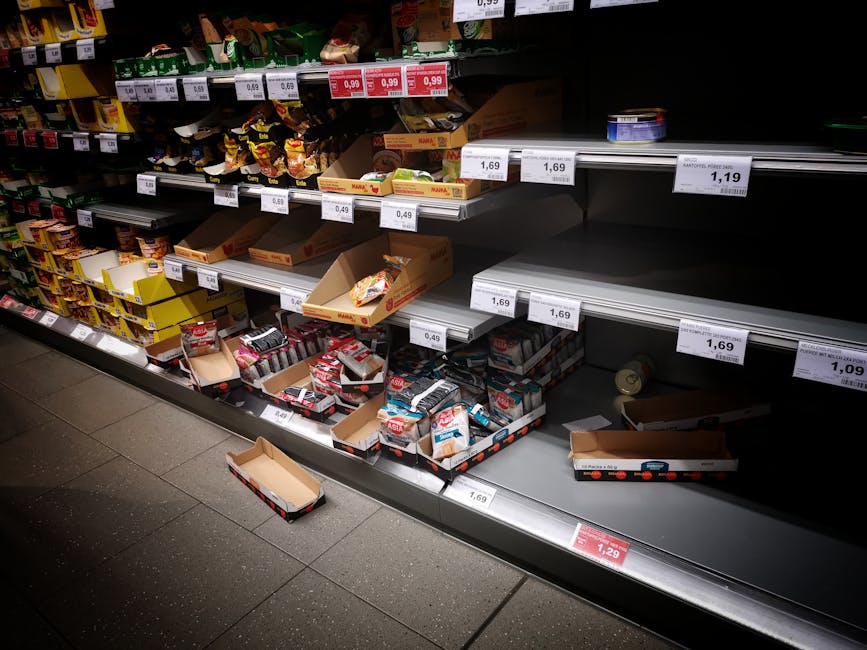
For professionals in the manufacturing and logistics sectors, the ramifications of these geopolitical tensions are particularly concerning. Rising oil prices can jeopardize job security and salaries in industries heavily reliant on energy costs. Workers must remain vigilant and adaptable, as the landscape shifts beneath their feet. Entry-level positions may see hiring slow down, while mid-career professionals might need to pivot to roles that are more resilient to these economic changes.
What This Means for Your Career
For entry-level workers, particularly those in logistics and manufacturing, the current climate may signal a slowdown in job opportunities. Companies are likely to tighten their budgets in response to rising operational costs. This could mean fewer entry-level roles available, as firms prioritize retaining existing staff over hiring new talent.
Mid-career professionals, especially those in energy-dependent sectors, may find themselves in a precarious position. The need for upskilling in areas such as renewable energy or supply chain management could become crucial. As businesses look to mitigate risks associated with rising oil prices, skills in alternative energy solutions or efficient logistics management may become highly sought after.
 Career Development
Setback to Success: Navigating Career Twists
Setback to Success: Navigating Career Twists" delves into the paradox of career setbacks as catalysts for growth. Discover how embracing…
Read More →
The need for upskilling in areas such as renewable energy or supply chain management could become crucial.
Career switchers should also take note of the shifting dynamics. Industries that can adapt to the changing landscape, such as renewable energy or technology-driven logistics, may offer new opportunities. Workers with skills in these areas could find themselves in demand as companies pivot to more sustainable practices.
“While some analysts argue that the rise of alternative energy sources could mitigate the impacts of geopolitical tensions, the immediate reality is that many sectors remain heavily reliant on fossil fuels. The transition to renewable energy will take time, and in the meantime, businesses must navigate the complexities of a volatile market.”
Actionable Steps for Professionals
In light of these developments, here are some actionable steps you can take:

- Stay Informed: Keep abreast of geopolitical developments and their implications for your industry. Subscribe to reliable news sources and industry reports.
- Upskill: Consider enrolling in courses related to supply chain management, renewable energy, or logistics to enhance your employability in a changing market.
- Network: Engage with professionals in your field through online platforms like LinkedIn or industry-specific forums. Building connections can provide insight into emerging opportunities.
- Be Flexible: Be prepared to pivot your career path if necessary. Industries that adapt quickly to changing circumstances will likely thrive.
The Bigger Picture
 Career Development
UPSC Releases CDS 2 2025 Results: What You Need to Know
The UPSC has released the CDS 2 2025 results. Here's what candidates need to know about cutoff trends and future…
Read More →For professionals, this may mean not only adapting to current challenges but also anticipating future developments that could reshape their careers.
The ongoing conflict in the Middle East serves as a stark reminder of how interconnected global trade is. As India grapples with these challenges, the importance of diversifying supply chains and reducing dependency on single routes becomes clear. The future of trade may require a strategic reassessment of how businesses operate in a volatile geopolitical landscape. For professionals, this may mean not only adapting to current challenges but also anticipating future developments that could reshape their careers.
As tensions continue to rise, how can you prepare for the potential impacts on your career and industry? What steps will you take to ensure your skills remain relevant in an uncertain economic environment?