No products in the cart.

Career Prep in the AI Era: A Student’s Guide

Navigate your career preparations in the AI era with strategies that emphasize authenticity, critical thinking, and the human touch. Discover how to balance AI tools with personal insights.
“`html
The Digital Dilemma: Balancing AI Assistance and Authenticity
University campuses are testing grounds for generative software that can draft emails, summarize chapters, or organize tasks in seconds. For seniors facing graduation, the appeal of a perfect cover letter generated with a click is strong. However, this convenience risks undermining the qualities recruiters value most.
The AI Advantage: Fact or Fiction?
Surveys show a paradox among hiring managers. While 71% find AI-generated content inauthentic, 62% of graduating students rely heavily on these tools for assignments and job materials. This creates a cycle: students use AI to meet deadlines, recruiters label the output as “robotic,” and both sides remain frustrated.
The Risks of Over-Reliance
First, the line between assistance and plagiarism is thin. Universities are tightening policies on academic integrity, and a single violation can appear on a student’s transcript, jeopardizing future job prospects. Second, relying on machines can weaken critical thinking and creativity. Graduates who outsource their analytical work often find themselves unprepared for entry-level roles that require data analysis, questioning, and original argumentation.
Setting Digital Boundaries: A Practical Guide
To use AI without losing credibility, students can follow this three-tiered approach:
Universities are tightening policies on academic integrity, and a single violation can appear on a student’s transcript, jeopardizing future job prospects.
- Research and Organization Only: Use AI for gathering sources, creating outlines, or scheduling interviews. Treat the output as raw material, not final text.
- Human-Centered Drafting: Write the first draft yourself, then use AI for suggestions on synonyms or readability—always control tone and structure.
- Verification and Attribution: Check AI-generated facts against primary sources, and cite borrowed phrasing. This practice prevents plagiarism and shows intellectual honesty to employers.
You may also like
 Entrepreneurship & Business
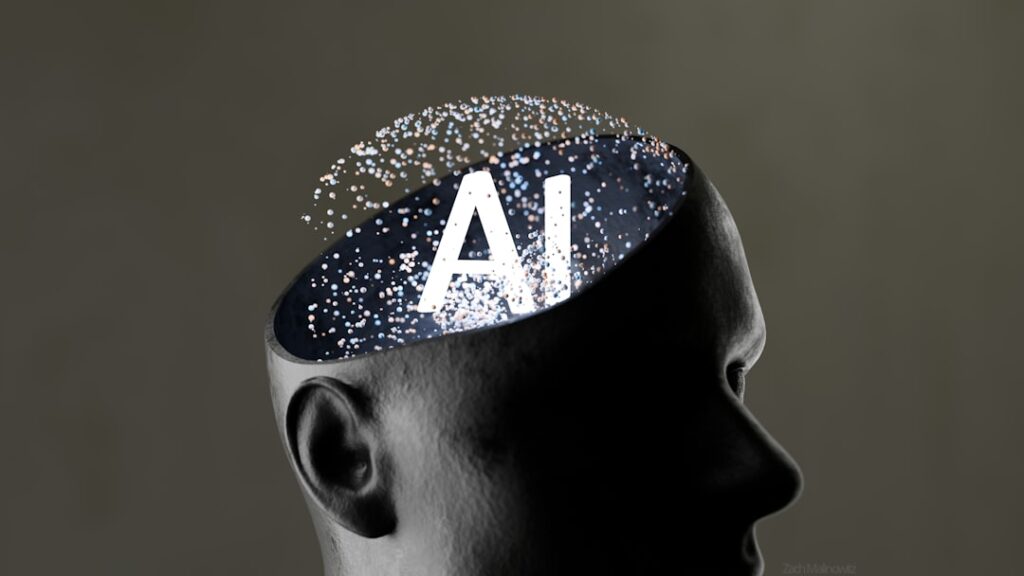
AI Use May Diminish Critical Thinking Skills
A recent study reveals that using AI tools for just a short time can impair critical thinking skills. This raises concerns about the long-term effects…
Read More →By clearly separating assistance from authorship, students maintain the “human touch” that recruiters notice.
Critical Thinking Over Automation: Why Your Unique Perspective Matters
In a job market filled with algorithmically generated résumés, the key differentiator is no longer technical skills but the ability to think creatively, empathize, and solve unexpected problems. Human intuition can navigate office politics, interpret vague client feedback, and adapt during crises—areas where AI struggles.
The Value of the Human Touch
Employers prefer candidates who show originality and strong analytical skills. A marketing plan from a template may meet requirements but cannot grasp the cultural nuances of a brand’s audience or ethical dilemmas in decision-making. When hiring managers see candidates who can share personal stories, connect ideas, and propose innovative solutions, AI-generated alternatives seem hollow.
Cultivating Critical Thinking in an AI-Heavy Curriculum
Students can enhance their critical thinking skills through deliberate practice:

- Ask “Why” Relentlessly: For every data point, question the underlying assumptions. This builds a skepticism that AI cannot replicate.
- Analyze From Multiple Angles: Draft a brief, then rewrite it from the perspective of a stakeholder with opposing interests. This exercise helps anticipate counterarguments and refine reasoning.
- Integrate Creative Constraints: Limit yourself to a fixed word count, a single metaphor, or a non-technical audience. Constraints spark creativity and reduce reliance on AI’s “infinite” suggestions.
When Human Skills Outshine Algorithms
Consulting firms and design studios increasingly use empathy tests and scenario-based challenges in recruitment. Candidates who excel in these areas often secure roles involving client interaction, brand storytelling, or crisis management—functions where nuance is more valuable than raw data processing.
Cultivating Critical Thinking in an AI-Heavy Curriculum Students can enhance their critical thinking skills through deliberate practice:
The New Rules of Engagement: Crafting Applications in the AI Era
You may also like
 Entrepreneurship & Business
India’s New Gold Import Duty: Implications for the Market
India's recent changes in gold import duties will significantly impact market prices and the jewellery industry.
Read More →The job search landscape has changed due to AI. Applicant-tracking systems (ATS) scan résumés for keywords, while some platforms create personalized job descriptions based on candidates’ online presence. To stand out, applicants must combine strategic keyword use with strong personal branding.
The AI-Enhanced Job Search
Automation now handles initial filters: parsing résumés, ranking candidates, and scheduling interviews. However, these systems also reward authenticity. A résumé that mimics job posting language without genuine experience will be flagged by sophisticated ATS that check for consistency across LinkedIn profiles and portfolios. Students should:
- Align their achievements with the job posting language, using exact terms only when applicable.
- Keep a consistent narrative across all digital platforms—CV, LinkedIn, personal website—so AI checks reinforce rather than contradict each other.
- Emphasize transferable skills—like project management and collaboration—that are valuable across industries, especially in roles evolving with AI.
Crafting Authentic Applications
Storytelling is a powerful tool against generic submissions. A strong cover letter should read like a case study: it presents a problem, outlines the candidate’s unique approach, and quantifies the impact. Instead of relying on AI for the entire narrative, students can provide a bullet-point outline for phrasing suggestions and then rewrite in their own voice.
Concrete examples—like leading a campus sustainability project or coordinating a hackathon—show resilience and initiative. When paired with measurable outcomes (e.g., “reduced event waste by 30%” or “increased participant sign-ups by 45%”), these anecdotes provide recruiters with a glimpse of real competence.
Strategic Perspective: Navigating the Future of Work
AI will not just automate tasks; it will reshape entire job categories. Some roles will vanish, others will emerge, and many will evolve to require a mix of technical skills and human abilities.
Strategic Perspective: Navigating the Future of Work AI will not just automate tasks; it will reshape entire job categories.
Preparing for a World with AI
Long-term career resilience relies on three pillars:
You may also like
 AI & Technology
AI Models Can De-Anonymize Users: A Privacy Warning
Researchers reveal that AI can link anonymous online accounts to real identities, raising serious privacy concerns. Discover the implications for internet users.
Read More →
- Transferable Skill Development: Mastering data literacy, communication, and problem-solving prepares graduates for new roles.
-