No products in the cart.

Affordable Rental Scheme Sparks a 30% Surge in Applications

Applications for India's new affordable rental scheme have jumped 30% in six weeks, signalling strong demand. While subsidies and tax breaks have spurred developer interest, land shortages, funding gaps and bureaucratic delays threaten to blunt the programme's impact.

India’s new low-cost rental programme is already reshaping the market, but funding gaps and bureaucratic lag could blunt its impact.
India’s Rental Market Conundrum
The Affordable Rental Housing Scheme, launched six weeks ago, has seen a 30% surge in applications to 1.2 million, according to the Ministry of Housing and Urban Affairs. This shows the high demand for affordable housing among low-income families.
The current rental market is challenging, with a two-bedroom flat in metros like Mumbai and Delhi costing ₹45,000-₹70,000 a month, which is more than half of a typical worker’s earnings. Outside metros, options are scarce, pushing many into informal settlements or cramped shared rooms. This shortage drives up prices and forces households to sacrifice essential needs like food, education, or health to stay housed.
Context: India’s Housing Market
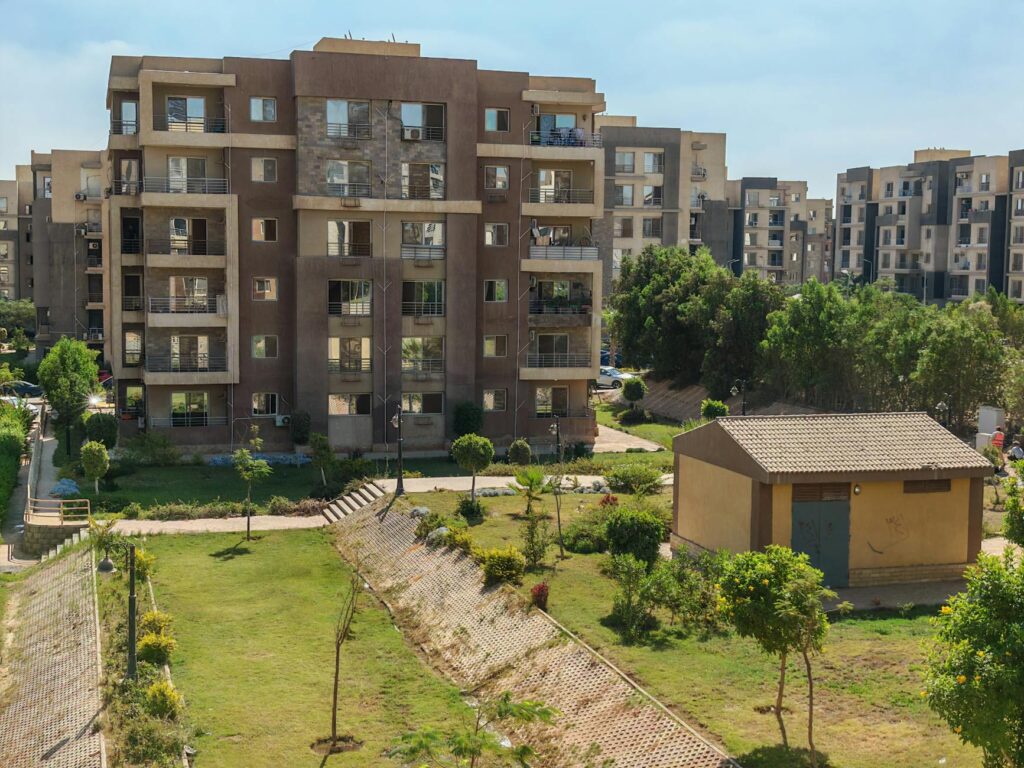
India’s housing sector is expected to reach a $1 trillion valuation by 2030, driven by private investment and government programmes. The “Housing for All” mission, launched in 2021, aims to provide 20 million affordable units by 2025, with a focus on rental stock for low-income earners.
The Affordable Rental Housing Scheme mirrors successful models abroad, such as Britain’s “Affordable Homes Programme,” which added 300,000 rental units in five years and lowered median rents by 7% in targeted zones.
The Affordable Rental Housing Scheme mirrors successful models abroad, such as Britain’s “Affordable Homes Programme,” which added 300,000 rental units in five years and lowered median rents by 7% in targeted zones.
Stakes: Impact on Low-Income Households
When rent consumes 40-60% of a household’s income, families cut back on essential needs. A 2022 World Bank survey found that 48% of urban poor in India spend more than half their earnings on rent. Affordable units could reverse this trend, lifting disposable income and shrinking the poverty gap.
Stable housing fuels economic growth. Workers with secure homes are more productive, and landlords who receive reliable rent can reinvest in maintenance and new projects. The multiplier effect could add up to $12 billion to GDP by 2027, according to a PwC analysis.
Response: Government Initiatives and Industry Reaction

The government has paired the scheme with a 15% subsidy on construction costs and a 10-year tax holiday for developers who allocate at least 30% of a project to affordable rentals. The National Housing Bank has also rolled out a low-interest loan facility, capping rates at 7% for qualifying builders.
Developers have responded quickly, with L&T Realty announcing a ₹3,000-crore affordable-rental portfolio in Hyderabad and Pune, and Godrej Properties unveiling a 1,500-unit “Rent-Ready” complex in Bengaluru.
Critics warn that subsidies may not be enough, as developers may still gravitate toward higher-margin sales rather than low-rent rentals. State governments have also delayed the release of land parcels, threatening to stall the pipeline.
You may also like
 Career Development
Navigating the Future of Work: Insights from the Global Skills Gap Report
The Global Skills Gap Report sheds light on the crucial skills needed for future careers, guiding young professionals toward success.
Read More →Outlook: Future of India’s Rental Market
If the current momentum holds, the scheme could add 5 million rental units by 2028, enough to shave 12% off the average rent in Tier-2 cities. This would broaden the rental pool, attract more migrants, and reduce the pressure on informal settlements.
The National Housing Bank has also rolled out a low-interest loan facility, capping rates at 7% for qualifying builders.
However, sustainable funding remains the biggest hurdle. The central budget has earmarked ₹120 billion for the first two years, but long-term financing will depend on private-sector participation and the health of the banking sector. Delays in land acquisition, unclear zoning rules, and potential corruption in subsidy allocation could also erode gains.
Policymakers are now eyeing a digital dashboard to track applications, approvals, and fund disbursements in real-time. Industry groups are lobbying for a uniform definition of “affordable” across states to avoid a patchwork of standards that confuses developers and tenants alike.
The next six months will test whether the scheme can move beyond a headline-grabbing surge in applications to deliver concrete, livable units. Success will hinge on coordinated action between ministries, banks, developers, and local authorities.