No products in the cart.

AI and the Shifting Landscape of Work: Insights from GoTo
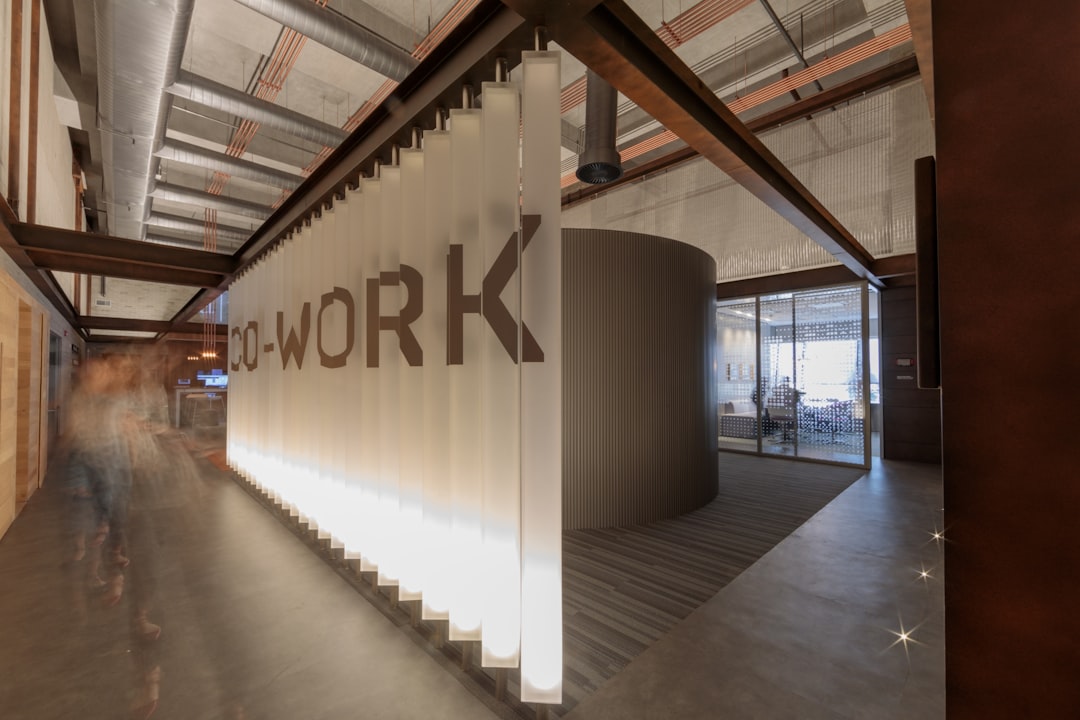
AI is revolutionizing workplace efficiency. Discover how companies like GoTo are leading the change.

San Francisco, United States — The rapid adoption of artificial intelligence (AI) is not just a trend; it’s reshaping the very fabric of work as we know it. companies like GoTo are at the forefront of this transformation, leveraging AI to enhance productivity and redefine workplace dynamics. As of 2025, AI technologies are anticipated to contribute $15.7 trillion to the global economy, fundamentally altering the landscape of employment and business operations.
This shift matters now more than ever as organizations seek to navigate a post-pandemic world, where hybrid work models and digital collaboration have become the norm. AI’s role in streamlining processes and optimizing efficiency is crucial for businesses aiming to maintain competitiveness in an increasingly digital marketplace.

GoTo, a leader in remote work technology, has been integrating AI across its platforms to enhance user experience and streamline workflows. By utilizing machine learning algorithms, GoTo’s tools can predict user needs and optimize scheduling, thus reducing time spent on administrative tasks. According to a 2024 report by McKinsey, companies that implement AI in their operations see a productivity boost of up to 40% in certain sectors, highlighting the tangible benefits of these technologies.
AI is not just about efficiency; it’s also about creating a more inclusive workplace. With AI-driven tools, organizations can analyze employee performance and engagement in real-time, allowing for more personalized development plans. This data-driven approach helps identify skill gaps and training opportunities, fostering an environment of continuous improvement.
By utilizing machine learning algorithms, GoTo’s tools can predict user needs and optimize scheduling, thus reducing time spent on administrative tasks.
The context of this transformation is rooted in the ongoing evolution of workplace expectations. Following the COVID-19 pandemic, employees increasingly demand flexibility and innovation from their employers. A 2023 survey by PwC found that 80% of employees prefer a hybrid work model, combining remote and in-office work. Companies that adapt to these preferences while leveraging AI tools are likely to attract and retain top talent.
You may also like
 Business
Apple Appeals $2 Billion Fine from UK Antitrust Ruling
Apple escalates its appeal of a $2 billion fine from a UK antitrust lawsuit, raising questions about the future of its App Store fees.
Read More →However, the integration of AI into the workplace is not without challenges. Concerns about job displacement due to automation persist. A report from the World Economic Forum in 2023 predicted that while AI could create 97 million new jobs by 2025, it might also displace 85 million jobs. This duality presents a significant challenge for policymakers and business leaders, as they must balance innovation with workforce stability.
Moreover, ethical considerations surrounding AI use in the workplace are gaining traction. Issues such as bias in algorithms and data privacy are critical discussions that need to be addressed. The European Union is currently drafting regulations aimed at ensuring that AI is used responsibly and transparently, which could serve as a model for other regions. For instance, companies like GoTo are proactively working to ensure their AI systems are transparent and equitable, aiming to build trust among users and stakeholders.
As we look ahead, the implications of AI on the future of work are profound. Organizations must not only adapt to these technologies but also prepare their workforce for the changes ahead. Upskilling and reskilling initiatives will be essential in equipping employees with the necessary skills to thrive in an AI-enhanced workplace. A 2024 report by the International Labour Organization emphasized that lifelong learning is critical for workforce resilience in the face of technological advancements.
In this evolving landscape, companies can leverage AI not just for operational efficiency but also to foster a culture of innovation. By embracing AI tools, organizations can empower employees, enhance collaboration, and improve overall job satisfaction. The future of work is not merely about adapting to new technologies; it’s about reimagining the workplace as a dynamic environment where humans and machines coexist harmoniously.
Upskilling and reskilling initiatives will be essential in equipping employees with the necessary skills to thrive in an AI-enhanced workplace.
As the world of work continues to evolve, professionals must remain agile and open to continuous learning. The integration of AI into everyday operations presents a unique opportunity to rethink traditional roles and responsibilities. Organizations that prioritize adaptability and invest in their human capital will be well-positioned to navigate the challenges and opportunities that lie ahead.
You may also like
 Business Innovation
TiEQuest 2026 Application Launch Targets Canadian Startup Ecosystem
TiEQuest 2026 has opened applications for Canadian startups, offering a comprehensive program of mentorship, strategic guidance, and access to capital. The initiative targets early-stage ventures…
Read More →Ultimately, the question remains: how will your organization harness the power of AI to not just survive, but thrive in this new era?