No products in the cart.

AI Can Solve Problems, But Humans Decide What Matters: Insights from Perplexity CEO Aravind Srinivas
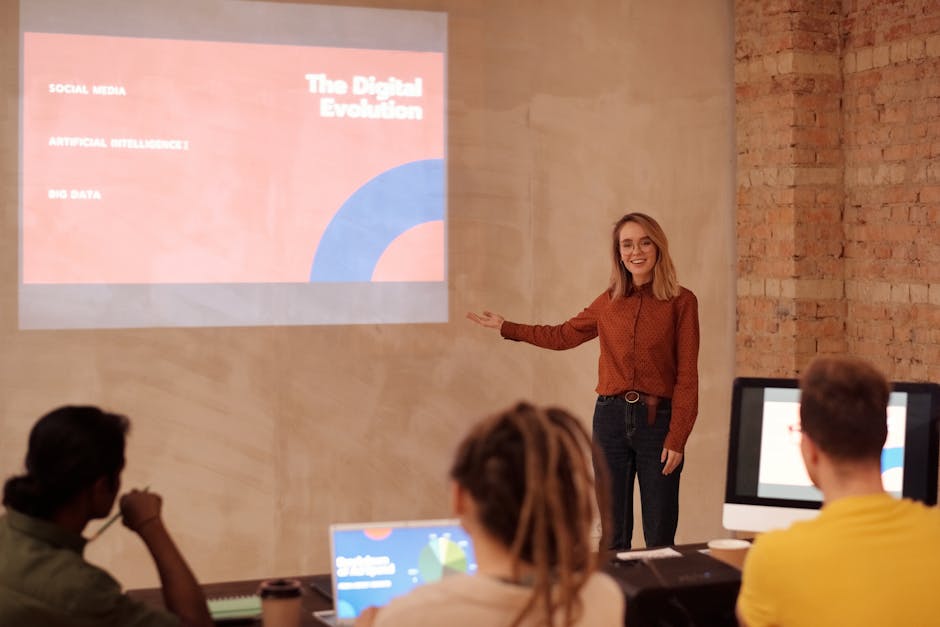
Perplexity CEO Aravind Srinivas emphasizes that while AI can solve problems, human judgment is crucial in determining what truly matters.

San Francisco, USA — In the rapidly evolving landscape of artificial intelligence, the role of human judgment remains paramount. Aravind Srinivas, CEO of Perplexity, recently articulated a crucial perspective: while AI has the capability to solve complex problems, it is ultimately humans who decide what matters. This insight comes at a pivotal moment as businesses increasingly integrate AI into their operations, raising important questions about the balance between technology and human oversight.
Srinivas shared his thoughts during a recent podcast, emphasizing the limitations of AI in understanding context and prioritizing values. As organizations explore AI solutions, it’s essential to remember that technology can enhance productivity but cannot replace the nuanced understanding that humans bring to decision-making.
The implications of this viewpoint are significant for professionals across various fields. As AI tools become more prevalent, the demand for skills that complement these technologies is rising. Workers need to focus on developing critical thinking, creativity, and ethical reasoning—skills that AI cannot replicate. Understanding how to leverage AI while maintaining a human touch is becoming a critical competency in the modern workplace.
Why Human Judgment is Irreplaceable in AI Solutions
Srinivas argues that human curiosity and the ability to frame questions are aspects where machines fall short. AI can analyze data and provide solutions based on patterns, but it lacks the intrinsic motivation that drives human inquiry. For instance, when faced with a problem, a machine may suggest a solution based on historical data, but it cannot understand the broader implications of that solution on society or the environment.
 Career Challenges
The Hiring Freeze: Gen Z Faces an AI-Driven Job Market Challenge
As Gen Z graduates enter the job market, they face a chilling reality: automation and a 'no hire, no fire'…
Read More →This limitation highlights the importance of human oversight in AI applications. Businesses must ensure that while they harness AI’s capabilities, they also integrate human decision-making into their processes. This is particularly vital in sectors like healthcare, finance, and education, where the stakes are high, and ethical considerations are paramount.
Companies should focus on upskilling their employees to work alongside AI tools.
Moreover, the integration of AI should not lead to a reduction in the workforce but rather a transformation of roles. Companies should focus on upskilling their employees to work alongside AI tools. This shift will not only enhance productivity but also foster a culture of innovation and adaptability within organizations.
As AI continues to evolve, professionals must remain vigilant and proactive in their career development. Understanding the interplay between technology and human insight will be crucial for navigating future job markets. Those who can blend technical skills with critical thinking will be in high demand.
The Career Implications of AI Integration
The insights from Srinivas have profound implications for your career trajectory. As AI tools become commonplace, the value of traditional roles may shift. For entry-level positions, the focus may move from rote tasks to more analytical roles that require human judgment. Mid-career professionals will need to adapt by acquiring new skills that complement AI technologies, such as data analysis and ethical decision-making.
Career switchers will find opportunities in sectors that prioritize human-AI collaboration. Fields like AI ethics, user experience design, and data governance are emerging as critical areas where human insight is essential. Professionals looking to transition into these roles should seek out relevant training and certifications to enhance their employability.
 Fitness
2025 Healthy Outcomes Conference: Navigating Workplace Change
The 2025 Healthy Outcomes Conference highlighted critical strategies for navigating change in workplace wellness. Discover actionable insights for your organization.
Read More →
Furthermore, geographic hotspots for AI-related jobs are expanding beyond traditional tech hubs. Cities like Austin, Toronto, and Berlin are becoming increasingly attractive for tech talent. Understanding these trends can help you position yourself strategically in the job market.
Mid-career professionals will need to adapt by acquiring new skills that complement AI technologies, such as data analysis and ethical decision-making.
- Upskill with AI courses: Enroll in online courses that focus on AI technologies and their applications in your field.
- Network with industry professionals: Attend industry conferences and webinars to connect with thought leaders and potential employers.
- Stay informed about AI developments: Regularly read articles and reports on AI advancements to understand their implications for your career.
However, experts caution that the reliance on AI may lead to complacency in human decision-making. A recent report from the World Economic Forum warns that over-dependence on AI could diminish critical thinking skills among professionals, leading to a workforce that lacks the ability to question and innovate. Therefore, while embracing AI, it is crucial to maintain a strong foundation in human-centric skills.
The Future of Human-AI Collaboration
As we look ahead, the relationship between humans and AI will continue to evolve. Companies that successfully integrate AI while prioritizing human insight will likely lead their industries. The future will likely see a greater emphasis on collaborative roles where humans and AI work together to solve complex problems.
Moreover, as AI technologies become more advanced, ethical considerations will take center stage. Professionals will need to navigate the moral implications of AI applications in their work. This will create new opportunities for those who can bridge the gap between technology and ethics.
 Career Development
Navigating the Data Science Landscape: A Beginner’s Guide
Data science is a booming field, but many feel intimidated by its math demands. This guide breaks down how to…
Read More →In this rapidly changing landscape, how will you prepare to ensure that your skills remain relevant and valuable in an AI-driven world?