No products in the cart.

AI Tools Reshape Traditional Leather and Handicraft Artisanship

AI design tools are challenging traditional leather and handicraft artisans, shifting how skills and creativity merge. This transformation offers both disruption and new hybrid career paths.

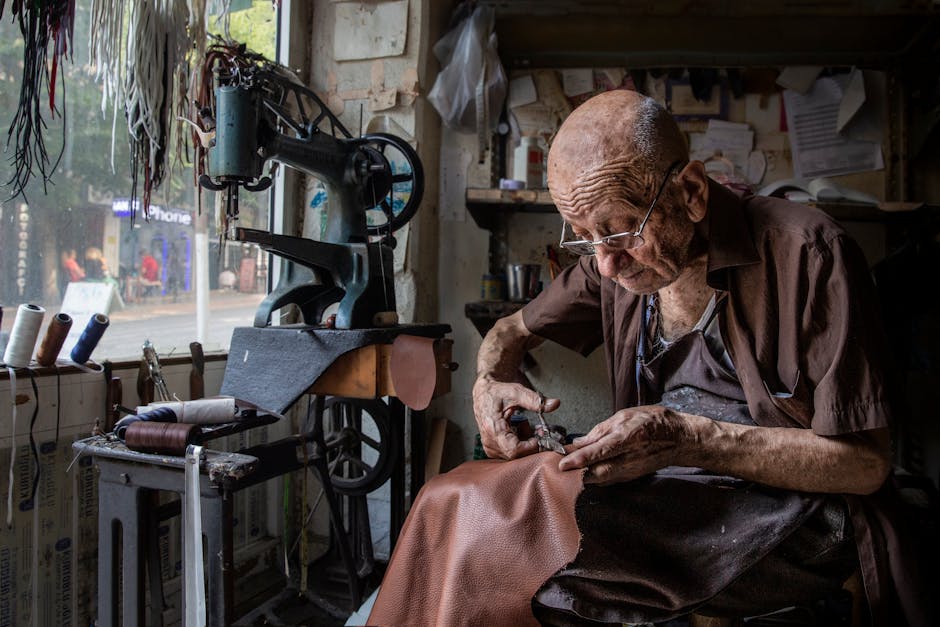
New Delhi, India — Artificial intelligence is increasingly infiltrating the domain of leather and handicraft artisans, challenging centuries-old skills and business models. From AI-driven design software to automated pattern making, technology is reshaping how traditional craftspeople work, threatening some jobs while opening novel career pathways. India and Italy, both global hubs for leather goods and artisanal crafts, are seeing a surge in AI adoption among small and medium enterprises (SMEs). Designers now use AI tools to generate product concepts, optimize materials, and even predict consumer trends. As a result, artisans face pressure to adapt or risk obsolescence in markets increasingly demanding speed, customization, and cost efficiency. This shift matters because leather and handicrafts employ millions in emerging and developed economies, combining cultural heritage with livelihood. The rise of AI tools highlights a broader tension between preserving traditional craftsmanship and embracing innovation. It also spotlights an urgent need to create hybrid careers blending human creativity with machine intelligence, thus enabling artisans to stay relevant and competitive.
Traditional Craftsmanship Meets Digital Disruption
Leather and handicraft sectors have long been bastions of manual skill and cultural identity. In India alone, the handicraft industry employs over 7 million artisans and contributes roughly $4 billion annually to exports[1]. Italy’s leather goods industry is similarly vital, supporting over 60,000 jobs and generating about €13 billion in revenue[2]. These numbers underscore the economic and social importance of these trades. Yet the traditional production cycle—design, material sourcing, crafting, and finishing—faces disruption as AI tools enter the picture. AI-powered platforms like Adobe’s Sensei and Autodesk’s generative design software enable rapid prototyping and customization at scale, reducing reliance on manual drafting. Startups such as Sewbo and SewEasy integrate robotics and AI to automate stitching and pattern alignment, processes previously dependent on artisan dexterity. For artisans who rely on physical skill and intuition, this technology can seem alien and threatening. However, these AI tools also offer opportunities to augment creativity, reduce errors, and meet market demands faster. The challenge lies in bridging the digital divide for artisans often excluded from high-tech education and investment.
 Best practices
Harnessing AI for Personal Branding: Insights from John Malone
Discover how AI is transforming personal branding in 2025, with insights from industry leader John Malone.
Read More →Similar initiatives are underway in Indian craft clusters such as Kanpur and Chennai, where NGOs and private companies collaborate to upskill workers.
New Roles in Hybrid Craft-Tech Careers
Integrating AI into handicraft trades does not necessarily mean replacing artisans. Instead, it can create hybrid jobs merging traditional skills with technology literacy. In Florence, Italy, the Istituto Europeo di Design has launched programs teaching artisans how to use CAD software alongside hand tooling, resulting in innovative products that marry old and new techniques. Similar initiatives are underway in Indian craft clusters such as Kanpur and Chennai, where NGOs and private companies collaborate to upskill workers. These hybrid roles range from digital designers who understand artisan methods to AI operators who oversee automated production lines. Such jobs often command higher wages and can attract younger generations who might otherwise leave craft communities for urban centers. They also expand export potential by allowing bespoke, AI-enhanced products to reach global markets more efficiently.
Still, barriers remain. According to a 2024 report by the International Labour Organization, less than 20% of leather and handicraft workers worldwide have access to digital training programs that include AI literacy[3]. Furthermore, infrastructural challenges such as unreliable internet and lack of affordable hardware limit widespread adoption, especially in rural areas.
Industry Perspectives and Policy Responses
Industry leaders are divided on AI’s impact. Some see it as a vital driver of competitiveness. Stefano Sassi, CEO of Italian leather goods manufacturer Il Bisonte, stated in a 2025 interview that "AI helps us meet fast-changing consumer preferences without compromising our artisan heritage"[4]. Conversely, craft unions in India warn that unchecked automation risks displacing vulnerable workers, urging governments to balance innovation with social protections. Government policies in craft-heavy regions reflect these tensions. Italy’s Ministry of Economic Development has funded digital transition grants for SMEs, aiming to equip artisans with AI tools while safeguarding jobs. India’s Ministry of Textiles has prioritized digital literacy in its National Handloom and Handicrafts Development Programme, partnering with tech firms to pilot AI-enabled design workshops. Experts advocate for multi-stakeholder collaboration involving artisans, technologists, educators, and policymakers. This ecosystem approach can foster inclusive innovation, ensuring AI complements rather than supplants human skill.
 Economic Development
Futala Fountain: A Catalyst for Growth in India’s Hospitality Sector
The Futala Fountain in India is poised to revitalize the tourism and hospitality sectors, promising new opportunities for growth.
Read More →Global Market Dynamics and Consumer Trends
Global demand for artisanal leather and handicrafts remains robust but increasingly driven by customization, sustainability, and storytelling. AI’s data analytics capabilities allow producers to tailor designs to niche preferences, enhancing market responsiveness. For example, brands like Hermès and Gucci have experimented with AI-assisted design to streamline limited-edition collections that maintain artisanal quality. Simultaneously, consumers are scrutinizing supply chains for ethical sourcing and craftsmanship authenticity. AI can enhance traceability through blockchain integration, reassuring buyers about product provenance without sacrificing artisanal inputs. This technology-driven transparency adds value to handcrafted goods in competitive luxury markets. However, smaller artisans may struggle to leverage these technologies without external support, risking marginalization. Digital platforms like Etsy continue to empower craft sellers, but AI tools embedded in these marketplaces could concentrate advantages among better-resourced sellers.
Preparing for a Collaborative Craft Future
The intersection of AI and traditional craftsmanship presents a complex landscape for workers, businesses, and policymakers. It demands active investment in digital skills training tailored to artisans, infrastructure upgrades, and inclusive innovation policies. Craft clusters that successfully integrate AI stand to boost economic resilience and preserve cultural heritage. For career seekers and educators, this evolution signals new hybrid roles requiring both technical proficiency and cultural literacy. Vocational programs must adapt curricula to cover AI tools alongside hands-on craft techniques. Meanwhile, entrepreneurs and businesses should explore models that blend AI efficiency with artisan creativity to capture emerging market niches. As the leather and handicraft sectors navigate this transformation, their trajectory will influence broader debates about technology’s role in labor-intensive industries. The future likely belongs to those who harness AI not as a replacement but as an amplifier of human skill and artistry.