No products in the cart.

AI’s Role in Empowering Job Seekers in Emerging Markets
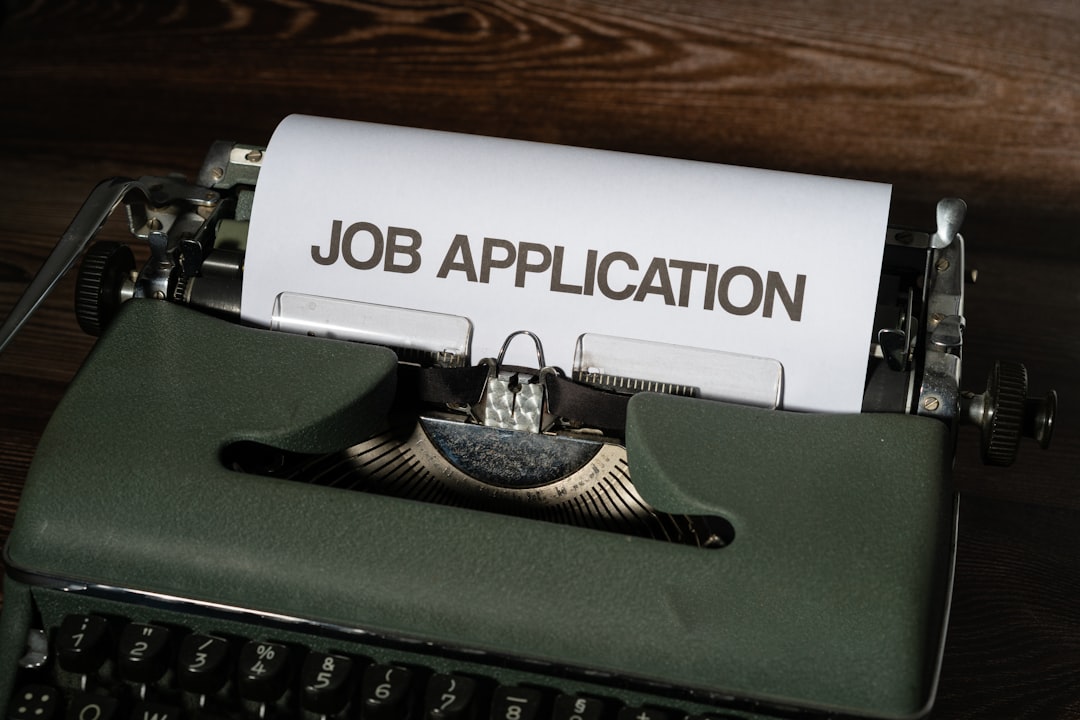
AI is revolutionizing job seeking in emerging markets, offering new opportunities and skill enhancement for job seekers.

New Delhi, India — Artificial intelligence is transforming the landscape for job seekers in emerging markets, providing innovative tools that enhance employability and streamline the job search process. As the global economy increasingly relies on digital solutions, countries like India, Brazil, and Nigeria are witnessing a significant shift in how job seekers connect with opportunities.
This transformation is vital as emerging markets often face high unemployment rates and a mismatch between skills and job requirements. According to the International Labour Organization, youth unemployment in these regions is nearly three times higher than the global average, making the need for effective employment solutions critical.

AI technology is playing a pivotal role in this evolution. Platforms like LinkedIn and Glassdoor are integrating AI-driven features to help job seekers optimize their profiles and enhance their visibility to recruiters. For instance, LinkedIn’s AI algorithms analyze job descriptions and recommend skill enhancements to users based on the most sought-after qualifications in their desired fields. This capability allows job seekers to tailor their applications more effectively, increasing their chances of landing interviews.
 Design And Fashion
Gen Z Jewelry Trends: How Sustainability and Individuality Are Shaping the Market
Gen Z jewelry trends are reshaping the market by prioritizing sustainability, ethical sourcing, and unique designs, moving away from conventional…
Read More →Moreover, AI is not just about skill enhancement. It also aids in bridging the gap between job seekers and employers. Companies in emerging markets are leveraging AI to streamline recruitment processes, reducing the time it takes to fill vacancies. According to a report by McKinsey, organizations that adopt AI in their hiring processes can reduce their time-to-hire by up to 50%. This efficiency benefits both employers looking to fill critical roles and job seekers eager for employment.
With AI tools facilitating remote collaboration and communication, businesses can now hire skilled workers from diverse geographical locations, leveling the playing field for job seekers in developing regions.
Contextually, the rise of remote work has further accelerated this trend. The COVID-19 pandemic highlighted the potential of remote jobs, allowing companies to tap into talent pools in emerging markets that were previously overlooked. With AI tools facilitating remote collaboration and communication, businesses can now hire skilled workers from diverse geographical locations, leveling the playing field for job seekers in developing regions.
However, the impact of AI on job seekers is not without challenges. There is a growing concern over the digital divide; while urban areas in emerging markets often have better access to technology, rural regions may lag behind, limiting opportunities for many. According to the World Bank, internet penetration in sub-Saharan Africa is only 28%, compared to 87% in Europe. This disparity means that while some job seekers benefit from AI advancements, others remain at a disadvantage.
Moreover, the increasing reliance on AI for recruitment raises questions about bias and fairness. AI systems are only as good as the data they are trained on. If historical hiring data reflects biases, these may be perpetuated in the AI’s decision-making process. A study by the Harvard Business Review found that AI can inadvertently reinforce existing biases, leading to unequal opportunities for marginalized groups. Employers must ensure that their AI tools are designed and implemented with fairness in mind, to avoid exacerbating inequalities.
 Human Resources
Revolutionizing E-Waste: Innovations and Policies
Discover how e-waste recycling innovations and right-to-repair policies are transforming the electronics industry and promoting sustainability.
Read More →Despite these challenges, the potential of AI to empower job seekers in emerging markets is immense. For instance, platforms like Andela and Microverse are leveraging AI to connect skilled software developers in Africa and Latin America with global tech companies. These platforms not only facilitate job placements but also provide training and resources to enhance the skills of their candidates, ensuring they meet the demands of the international job market.
Looking ahead, the integration of AI in job seeking and recruitment processes is expected to deepen. Companies will increasingly rely on AI to identify talent, predict future hiring needs, and even assess candidates’ fit through advanced analytics. Job seekers, in turn, will need to adapt by continuously enhancing their digital skills and embracing lifelong learning.
Job seekers, in turn, will need to adapt by continuously enhancing their digital skills and embracing lifelong learning.
As AI continues to evolve, it will be crucial for educational institutions and governments in emerging markets to invest in digital literacy programs. By equipping individuals with the necessary skills to navigate an AI-driven job market, they can help mitigate the risks of unemployment and underemployment.
 Career Development
Samsung’s HARMAN Leads Connected Car Innovations from India
Samsung's HARMAN is transforming the automotive industry with cutting-edge connected car technologies, all developed from India. Learn how this impacts…
Read More →The future of work in emerging markets is intertwined with AI advancements. The ability to harness these technologies will determine not only individual career trajectories but also the overall economic growth of these regions. As we venture into this new era, the focus must remain on inclusivity, ensuring that all job seekers, regardless of their background or location, can thrive in the evolving job landscape.