No products in the cart.

AI’s Role in Unraveling Ancient Civilizations
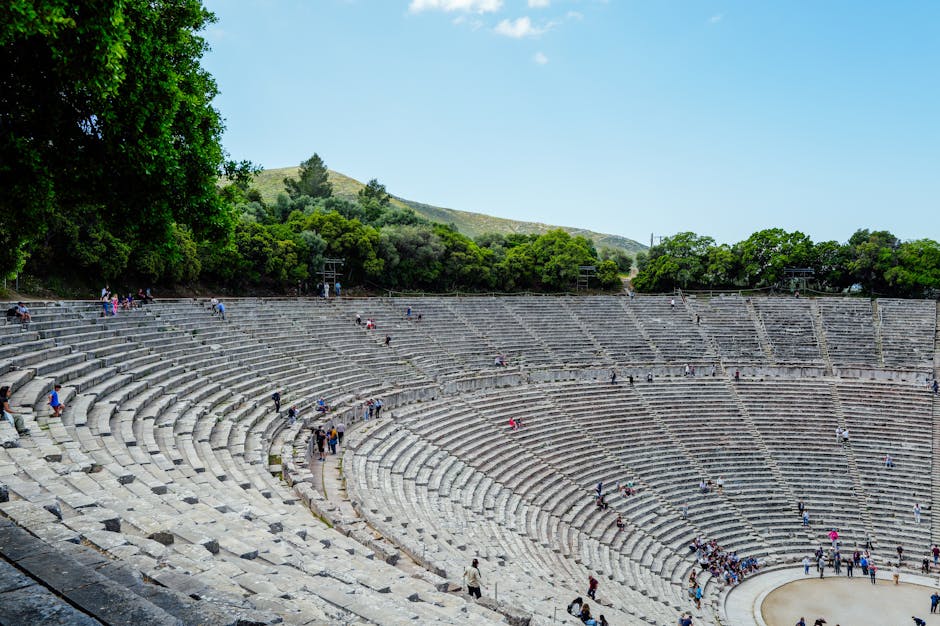
Discover how AI is transforming archaeology by decoding ancient languages and reconstructing lost civilizations.

Cambridge, England — Artificial Intelligence (AI) is not just a tool for modern industries; it’s reshaping our understanding of ancient civilizations. Researchers across the globe are harnessing machine learning to decode lost languages and reconstruct historical artifacts, pushing the boundaries of archaeology.
This transformation is vital. As the digital age accelerates, the intersection of technology and history provides unprecedented insights into human evolution. With AI’s capabilities expanding, the implications for education, cultural heritage preservation, and our understanding of the past are profound.
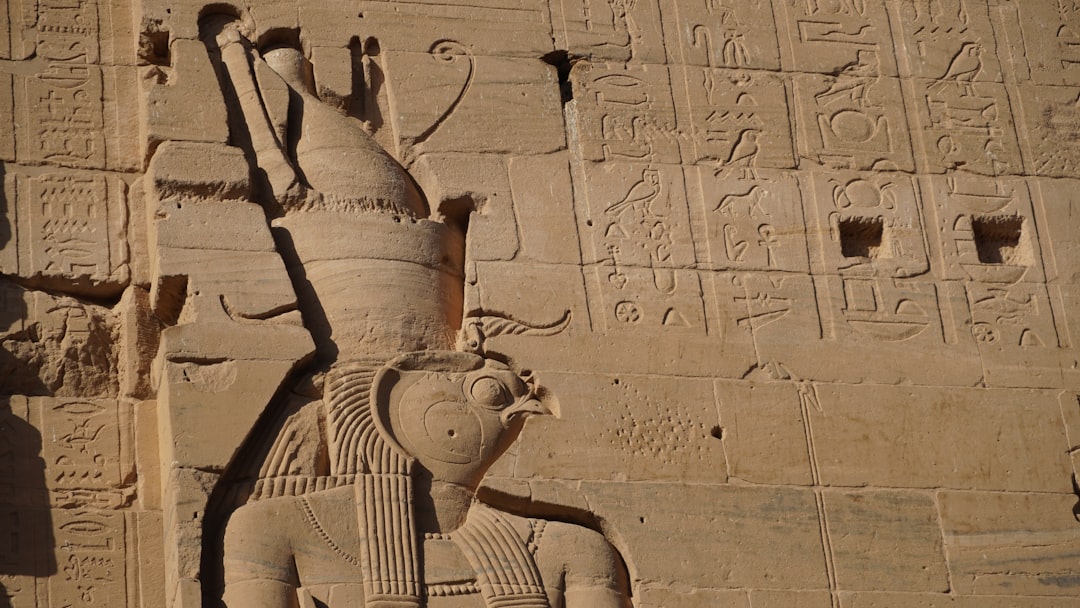
In recent years, projects like Google’s AI initiative to reconstruct ancient languages have gained traction. By analyzing vast datasets of linguistic patterns, these programs can generate hypotheses about how languages may have sounded and functioned. For instance, the project’s algorithms have successfully reconstructed parts of the long-extinct Etruscan language, which flourished in Italy over 2,000 years ago. Such advances not only enrich our understanding of ancient societies but also highlight the potential of AI in educational contexts, allowing students to engage with history in interactive ways.
 Social Trends
Navigating Freelance Work for Career Transitions
Explore how freelance work can facilitate a career transition, from building a client base to pricing strategies and packaging case…
Read More →Traditionally, the study of ancient texts relied heavily on the expertise of linguists and historians. However, the introduction of AI has democratized this field, enabling researchers without extensive training in linguistics to contribute. For example, the collaboration between Stanford University and the California Institute of Technology has led to the development of AI tools that assist scholars in translating ancient manuscripts. This initiative underscores a significant shift in how archaeological work is conducted, fostering a more collaborative and innovative research environment.
Such advances not only enrich our understanding of ancient societies but also highlight the potential of AI in educational contexts, allowing students to engage with history in interactive ways.
Moreover, AI’s applications extend beyond language reconstruction. In archaeology, machine learning algorithms analyze imagery from satellite data and drones to identify potential excavation sites. A notable example is the work conducted in Egypt’s Valley of the Kings, where AI was used to detect hidden tombs beneath the desert sands. This technology not only accelerates the discovery process but also significantly reduces the environmental impact of traditional excavation methods.
Despite these advancements, the integration of AI in archaeology is not without challenges. Concerns about data accuracy and the potential for misinterpretation remain prevalent. Experts caution that while AI can process vast amounts of information, it lacks the contextual understanding that human researchers bring to the table. For instance, the nuances of cultural significance embedded in ancient texts may elude AI, leading to incomplete or skewed interpretations. Therefore, the collaboration between human experts and AI tools is essential for ensuring the integrity of archaeological research.
 Career Development
Leadership Skills Shaping Careers in 2025
As leadership skills evolve, they are redefining career paths for youth in 2025. Explore this global trend and its implications.
Read More →Looking ahead, the future of AI in archaeology and ancient studies appears promising. As machine learning techniques continue to evolve, we can expect even more sophisticated models that bridge the gap between historical data and modern technology. The potential for virtual reality (VR) and augmented reality (AR) to create immersive historical experiences is particularly exciting. Imagine a classroom where students can walk through a digitally reconstructed ancient city, guided by AI that provides real-time information and context.
Furthermore, the ethical implications of using AI in this field warrant careful consideration. As researchers strive to preserve cultural heritage, they must also navigate the complexities of intellectual property rights and the ownership of digital reconstructions. Engaging with local communities and stakeholders in these discussions will be crucial for fostering trust and ensuring that advancements benefit society as a whole.
Looking ahead, the future of AI in archaeology and ancient studies appears promising.
Ultimately, the interplay between AI and ancient civilizations offers a glimpse into a future where technology not only enhances our understanding of the past but also informs our approach to education and cultural preservation. As we continue to uncover the mysteries of ancient societies, the role of AI will undoubtedly expand, encouraging a more inclusive and innovative exploration of history.
 Career Development
US Jobs Surprise: What the January Growth Means for You
January's job growth in the US has surprised many. Discover what this means for your career and how to position…
Read More →