No products in the cart.

Algorithmic Art Criticism: A New Era in Aesthetics

AI's role in art criticism is transforming perceptions of aesthetics and taste, reshaping the future for artists and audiences.

San Francisco, USA — The Intersection of AI and Art
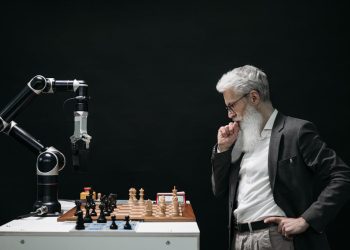
In recent years, the fusion of artificial intelligence and art has sparked vibrant debates within creative circles. As technology evolves, it’s reshaping how we perceive aesthetics and taste. Algorithmic art criticism is at the forefront of this transformation, posing questions about originality, creativity, and the very nature of art itself.
Tracing the Origins of AI in Art
The journey began in the 1960s with early experiments in computer-generated art. However, it wasn’t until the last decade that AI gained significant traction in creative domains. Companies like OpenAI, with its DALL-E program, and Google’s DeepMind have pioneered efforts to generate art through advanced algorithms. These platforms analyze vast datasets of existing artworks, learning patterns and styles to create new pieces that resonate with human aesthetics.
Critically, algorithmic art has challenged traditional notions of authorship. When a machine produces a piece of art, who is the artist? The programmer? The AI itself? This question invites a reevaluation of cultural hierarchies and the value we attribute to human creativity. As AI-generated works gain visibility, the art world faces a reckoning about the definition of creativity.

The Role of Algorithmic Criticism
 Digital Innovation
Streaming into the Future: What to Expect from Prime Video in October 2025
Get ready for a thrilling October 2025 with Prime Video's newest shows and films. Discover what to binge-watch next!
Read More →Algorithmic art criticism is equally revolutionary. Using machine learning, critics can analyze artworks on a scale unimaginable for human reviewers. For instance, AI can assess color schemes, emotional tones, and even cultural context, offering insights that can enhance or challenge human perspectives. A study by the University of Cambridge revealed that AI could predict audience reactions to artworks with an accuracy of over 85% based on their visual elements alone[1].
Using machine learning, critics can analyze artworks on a scale unimaginable for human reviewers.
Moreover, algorithmic critics can process data from social media platforms, gauging public sentiment and engagement with artworks. This capability offers artists immediate feedback, allowing them to adapt their work to audience preferences or explore new directions. However, the reliance on algorithms raises concerns about the homogenization of artistic taste. If artists cater solely to algorithmic recommendations, does that risk stifling innovation and diversity within the art community?
Perspectives on the Future of Art and AI
Experts in art, technology, and ethics are divided on the implications of AI in creative fields. Some proponents argue that AI can democratize art criticism by making it accessible to a broader audience. AI tools can provide art enthusiasts with insights previously reserved for industry insiders, potentially leveling the playing field for emerging artists. For instance, platforms like Artifex leverage AI to offer personalized art recommendations based on user preferences, enhancing engagement and appreciation[2].
Conversely, critics warn that algorithmic art criticism might lead to a one-dimensional understanding of art. By relying heavily on data-driven approaches, there’s a risk of oversimplifying complex emotional and cultural narratives embedded in artworks. The New York Times highlighted concerns from artists who feel that AI-generated critiques lack the nuance and depth of human interpretation, arguing that art is not merely a series of data points but a reflection of human experience[3].
 Business Innovation
Nairobi’s Digital Frontier: Zerik Security’s Bold Investment
Zerik Security's Nairobi launch marks a significant step in Africa's digital evolution, promising to reshape the tech landscape and career…
Read More →The Economic Landscape of AI in Art
Financially, the intersection of AI and art is lucrative. The global art market was valued at approximately $65 billion in 2022, and the integration of AI technologies is expected to grow this sector further. Companies are investing in AI-driven art platforms to attract younger audiences, particularly Gen Z, who are increasingly embracing digital art forms. According to a report by Art Basel, online sales of art surged by 50% in 2021, driven largely by tech-savvy collectors[4].
Additionally, as artists experiment with AI tools, new revenue streams are emerging. The sale of NFT (non-fungible token) art has exploded, with digital artworks fetching millions at auction, in part due to their unique nature as verifiable digital assets. This trend underscores the potential for AI to not only influence artistic creation but also reshape economic models within the art industry.
By relying heavily on data-driven approaches, there’s a risk of oversimplifying complex emotional and cultural narratives embedded in artworks.
Looking Ahead: Navigating the AI-Driven Art World
As we advance into this new era, artists, critics, and audiences must adapt to the evolving landscape shaped by AI. The future of art criticism will likely blend algorithmic insights with human intuition, fostering a more comprehensive understanding of artistic value.
 Banking & Finance
SBI Plans Major Recruitment Drive to Enhance Operations
SBI's recruitment of 3,500 officers highlights a significant expansion. Understand how this move impacts job opportunities and the banking sector.
Read More →For artists, embracing AI tools could unlock new creative avenues while maintaining authenticity and personal expression. As the dialogue around AI and art continues, the challenge will be to leverage technology without losing the essence of what makes art profoundly human. By navigating these changes thoughtfully, stakeholders can cultivate a rich, diverse artistic ecosystem that values both algorithmic insights and the irreplaceable touch of human creativity.