No products in the cart.

As Europe’s Reliance on U.S. Natural Gas Grows, So Does Trump’s Leverage
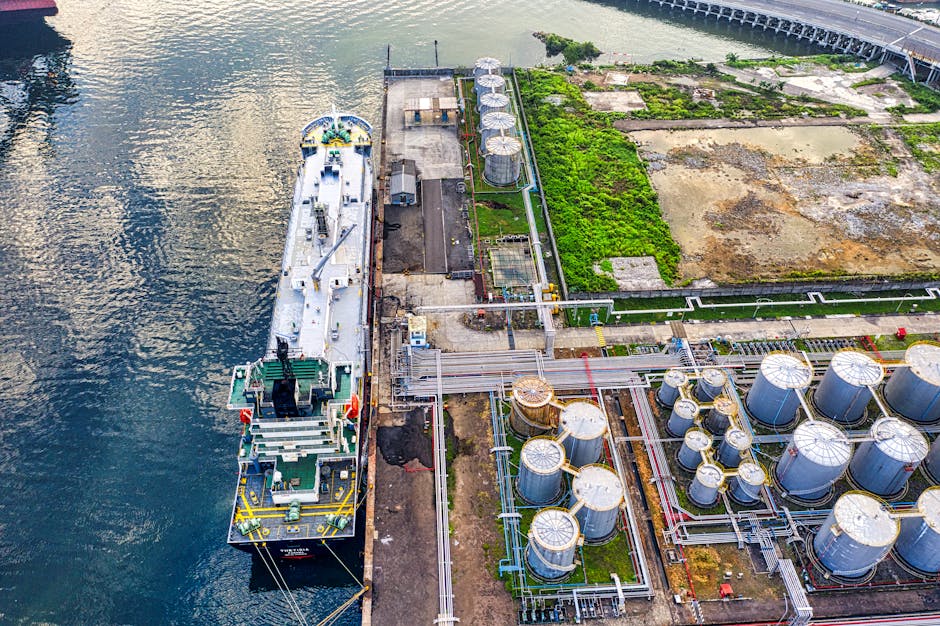
Europe's growing reliance on U.S. natural gas is reshaping geopolitical dynamics, enhancing Trump's influence and impacting energy strategies.

Brussels, Belgium — Europe is increasingly turning to U.S. natural gas to meet its energy needs, a shift that significantly enhances the political leverage of former President Donald Trump. This situation arises amid ongoing tensions with Russia and the need for Europe to secure reliable energy sources. As European nations seek to reduce their dependence on Russian gas, the strategic importance of U.S. natural gas grows, creating a complex interplay of energy security and political maneuvering.
The backdrop of this development is marked by the ongoing conflict in Ukraine, which has led to a reevaluation of energy dependencies across Europe. Countries like Germany and France are now more inclined to import liquefied natural gas (LNG) from the U.S. rather than relying on traditional sources from Russia. According to recent data, U.S. LNG exports to Europe have skyrocketed, accounting for a significant percentage of the continent’s gas imports. This shift not only alters the energy landscape but also empowers Trump as a key player in international energy discussions.
Moreover, Trump’s administration previously emphasized energy independence and the promotion of U.S. fossil fuels on the global stage. With Europe now more reliant on American gas, the former president’s influence over energy policy and trade negotiations is likely to resurface. His ability to leverage this dependence could impact everything from diplomatic relations to pricing structures in the energy market.
The Geopolitical Implications of U.S. Natural Gas in Europe
The geopolitical implications of this energy shift are profound. As Europe seeks to diversify its energy sources, the reliance on U.S. natural gas not only enhances energy security but also reshapes alliances within the region. Countries that once relied heavily on Russian gas, such as Poland and the Baltic states, are now actively seeking U.S. LNG as a more stable alternative. This change fosters a new level of cooperation between the U.S. and Eastern European nations, strengthening political ties and economic partnerships.
 Career Development
Empowering Through Delegation: A Framework for Success
Discover how effective delegation can empower your team and enhance workplace dynamics. Learn actionable strategies to develop skills and trust.
Read More →The European Union has long aimed for a green transition, but the immediate need for energy security could delay these ambitions.
Furthermore, the growing reliance on U.S. energy resources may lead to a reevaluation of European energy policies. The European Union has long aimed for a green transition, but the immediate need for energy security could delay these ambitions. As nations grapple with the dual goals of reducing carbon emissions and ensuring energy availability, the role of U.S. natural gas becomes increasingly critical.
Additionally, Trump’s potential return to the political forefront could further complicate this dynamic. His administration’s policies favored fossil fuel production, which could lead to a renewed focus on energy exports to Europe. This scenario raises questions about the long-term sustainability of Europe’s energy strategy and its commitment to green initiatives.
How U.S. Natural Gas Affects European Energy Security
The implications of U.S. natural gas on European energy security are multifaceted. For consumers and businesses across Europe, this shift could mean more stable prices and greater energy availability. However, it also poses risks related to over-dependence on a single source, which could be exploited politically. As Trump’s leverage grows, European nations must navigate these complexities carefully.
For entry-level professionals in the energy sector, this evolving landscape presents both challenges and opportunities. Understanding the geopolitical context and the implications of energy policies will be crucial for those entering the field. Mid-career professionals may need to adapt their strategies to align with the shifting energy dynamics, focusing on sustainable practices while recognizing the immediate need for reliable energy sources.
 Artificial Intelligence
Satya Nadella’s AI Revolution: How Gen Z Can Thrive in Knowledge Work’s New Era
Satya Nadella says AI won’t end knowledge work—it’ll transform it, like email did faxes. For Gen Z, that means using…
Read More →
For those considering a career switch, the focus on U.S. natural gas may open new avenues in energy consulting, policy analysis, and international relations. The demand for expertise in navigating the intersection of energy security and geopolitics is likely to grow, making it a promising area for job seekers.
- Stay informed: Regularly follow news on energy policies and geopolitical developments to understand how they might affect your career.
- Network strategically: Connect with professionals in the energy sector who can provide insights into emerging trends and opportunities.
- Consider further education: Explore courses or certifications in energy management or international relations to enhance your qualifications.
However, experts warn that this dependence on U.S. natural gas may not be sustainable in the long term. A recent analysis by the International Energy Agency suggests that while diversifying energy sources is essential, Europe must also prioritize renewable energy investments to meet climate goals. This balance between immediate energy needs and long-term sustainability could prove challenging.
Mid-career professionals may need to adapt their strategies to align with the shifting energy dynamics, focusing on sustainable practices while recognizing the immediate need for reliable energy sources.
The Future of Energy Dependence in Europe
The future of energy dependence in Europe is poised for significant changes. As nations grapple with the implications of relying on U.S. natural gas, they must also consider the broader context of climate change and sustainability. The urgency to transition toward renewable sources remains, even as immediate energy security takes precedence.
Looking ahead, the question remains: How will Europe balance its energy needs with its commitment to reducing carbon emissions? As the global landscape continues to evolve, the interplay between U.S. natural gas and European energy policy will be critical in shaping the future of energy security on the continent.
 Career Advice
Navigating the Path to a Successful Entry-Level Sales Career
Discover how to build a successful entry-level sales career with essential skills, territory mapping, and promotion strategies. Your future starts…
Read More →