No products in the cart.

Australia-Canada-India Alliance Drives Green Energy and Critical Minerals Supply Chain Innovation
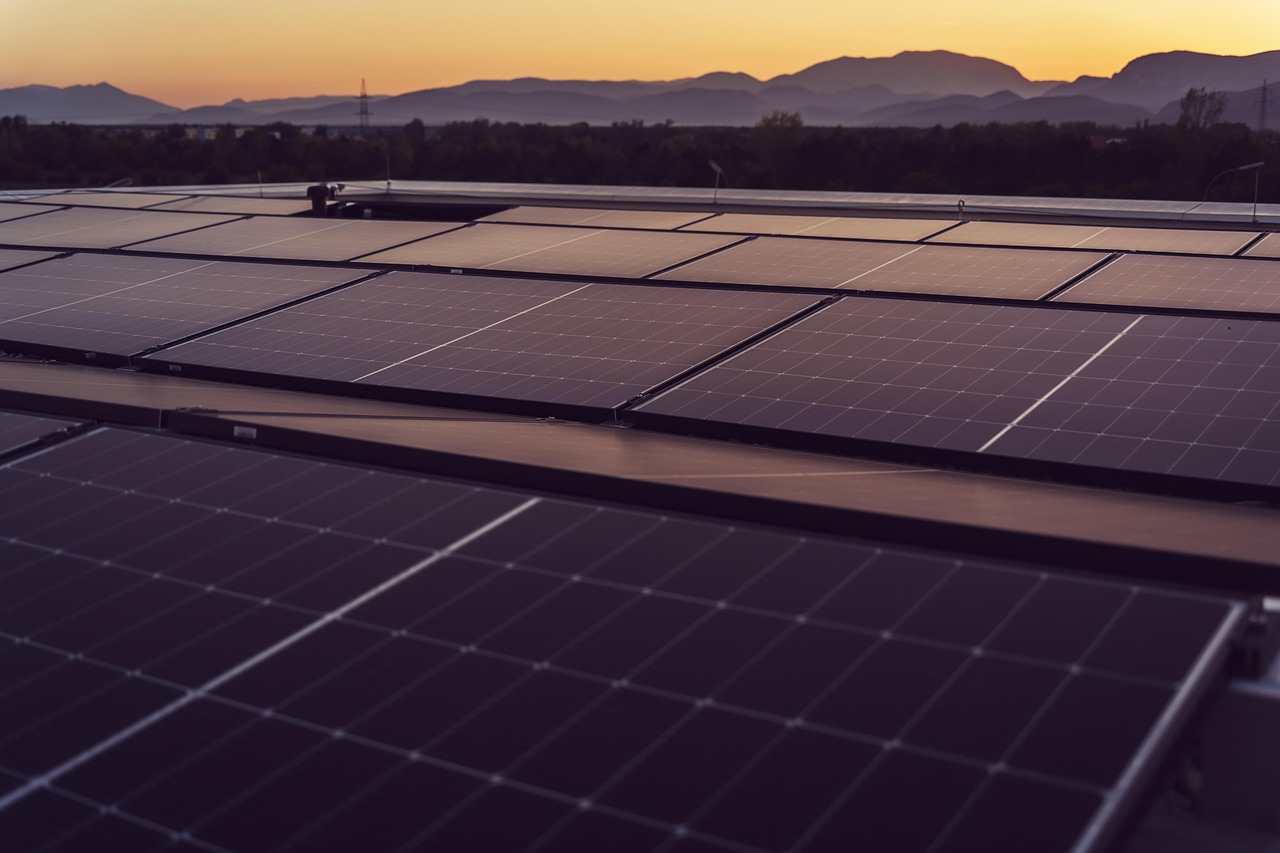
Australia, Canada, and India have launched a technology partnership focused on advancing green energy and securing critical minerals supply chains, signaling a strategic pivot in global tech and energy sectors.

Canberra, Australia — Australia, Canada, and India have officially launched a technology partnership aimed at accelerating innovation in green energy and building resilient supply chains for critical minerals. Announced in mid-November 2025, this trilateral alliance targets urgent global demands for clean energy technology and supply security amid geopolitical tensions and climate imperatives. The partnership reflects a strategic convergence of three resource-rich democracies seeking to leverage technology cooperation to reduce reliance on unstable supply chains and fast-track renewable energy deployment. By focusing on critical minerals such as lithium, cobalt, and rare earth elements, the alliance aims to underpin emerging energy storage, electric vehicle manufacturing, and grid modernization efforts across all three countries.
Why This Partnership Matters Now
The timing of this partnership is critical. As global investment in renewable energy surges, demand for critical minerals is expected to triple by 2040, according to the International Energy Agency (IEA). India alone plans to increase its renewable energy capacity to 650 gigawatts by 2030, a leap that will require secure, sustainable supply chains for key minerals like nickel and graphite[1]. Canada and Australia are among the world’s largest producers of these minerals, yet both face challenges in expanding mining capacity sustainably and refining capabilities domestically. This alliance allows for shared technological innovation, joint research, and streamlined supply logistics, which could stabilize markets and reduce dependency on China, currently the dominant processor of many critical minerals.
Historical Context and Strategic Drivers
Australia, Canada, and India have long-standing bilateral ties spanning trade, defense, and education. However, this trilateral technology partnership marks a new phase emphasizing industrial and technological cooperation in the context of global energy transitions. It aligns with broader geopolitical shifts, including the Quadrilateral Security Dialogue (Quad) and efforts to build alternative supply chains outside China’s dominance. India’s rapid industrialization and ambitious climate targets are key drivers. The government’s National Green Hydrogen Mission, launched in 2023, aims to produce 5 million metric tons of green hydrogen annually by 2030, demanding strong upstream mineral supply chains and advanced tech collaboration. Australia’s mining expertise and Canada’s refining technology capabilities complement India’s growing manufacturing ecosystem.
 Global Affairs
Renewable Energy’s Role in Geopolitical Power Shifts
Renewable energy investments are shifting global power dynamics, influencing geopolitics and economic strategies. Explore the implications.
Read More →Historical Context and Strategic Drivers Australia, Canada, and India have long-standing bilateral ties spanning trade, defense, and education.
Expanding Green Energy Innovation and Technology Cooperation
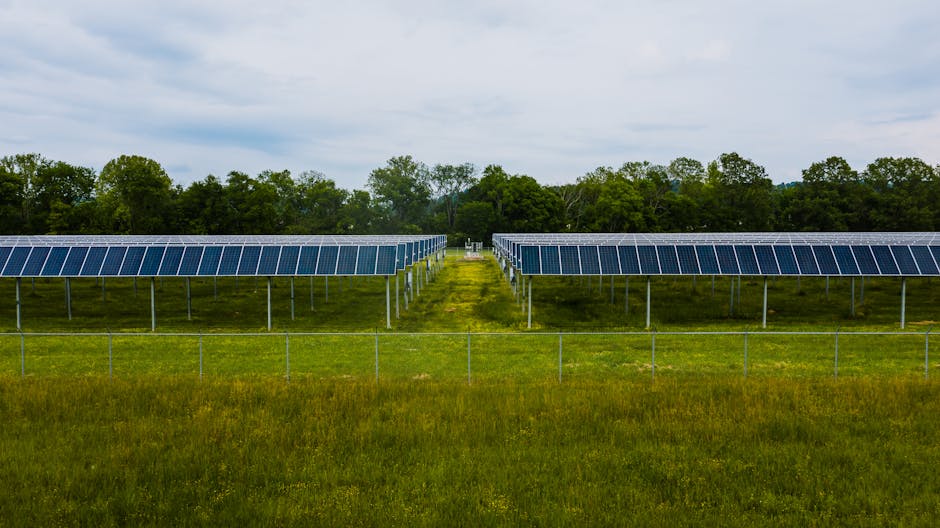
The partnership focuses on co-developing technologies in battery storage, green hydrogen production, and renewable energy integration. Australian Prime Minister Anthony Albanese emphasized that innovation must be paired with environmental stewardship, highlighting projects that reduce the carbon footprint of mining and processing minerals. Canada’s Natural Resources Minister Jonathan Wilkinson underscored the economic opportunity, noting that the global market for battery minerals could surpass $500 billion by 2030. Canadian firms like Lithium Americas and First Quantum Minerals stand to benefit from enhanced export channels and joint R&D funding[2]. India’s Ministry of New and Renewable Energy (MNRE) is coordinating pilot projects to integrate Canadian and Australian technologies into Indian renewable energy grids and manufacturing hubs, particularly in states like Gujarat and Tamil Nadu where industrial clusters are expanding rapidly.
Supply Chain Resilience in a Volatile Global Market
The partnership directly addresses growing concerns over supply chain vulnerabilities exposed by the COVID-19 pandemic and geopolitical tensions with China and Russia. Critical minerals are essential for batteries, wind turbines, solar panels, and electric vehicles — sectors at the heart of the clean energy transition. By collaborating on supply chain transparency, certification standards, and logistics, the three countries aim to build a resilient framework that can withstand disruptions. This approach includes exploring circular economy initiatives and advanced recycling technologies to reduce raw material demand over time. Supply chain experts note that such trilateral cooperation is a pragmatic model for other regions seeking to balance economic growth with strategic autonomy. It also responds to investor demands for sustainable sourcing and environmental, social, and governance (ESG) compliance.
 Career Development
Rethinking College Majors: The Path to Career Flexibility
Your college major doesn't define your career. Learn why transferable skills and continuous learning are essential for success.
Read More →Implications for Careers, Education, and Policy
The partnership’s emphasis on innovation and supply chain resilience will create new career pathways in engineering, mining technology, renewable energy project management, and environmental compliance. India’s renewable energy sector alone is projected to add over 1 million jobs by 2030, with strong demand for skills in battery manufacturing and grid integration[3]. Educational institutions in all three countries are adapting curricula to meet these needs. The Indian Institute of Technology (IIT) and Australia’s Commonwealth Scientific and Industrial Research Organisation (CSIRO) have announced joint programs focused on battery chemistry and hydrogen technologies. Policymakers must now navigate balancing rapid industrial growth with environmental sustainability. The partnership signals a shift toward multilateral technology diplomacy that prioritizes green innovation and strategic economic security over narrow nationalism.
Looking Ahead: A Blueprint for Multinational Green Innovation
This trilateral alliance offers a blueprint for how countries with complementary strengths can collaborate on critical challenges. As global pressure mounts to decarbonize economies, secure supply chains, and foster sustainable growth, partnerships like this will likely increase in importance. Professionals in energy, technology, and policy sectors should monitor evolving opportunities in cross-border research, investment, and workforce development. The Australia-Canada-India partnership illustrates a practical path to scaling renewable energy infrastructure while managing geopolitical risks. For career seekers and educators, this signals expanding demand for expertise at the intersection of technology innovation, environmental science, and international trade. The coming decade will reward those who can navigate complex global networks and contribute to sustainable industrial ecosystems.