No products in the cart.

Balancing Hustle and Health: A $100 Million Founder’s Approach

Discover how a $100 million founder encourages her team to prioritize work-life balance, despite her own intense dedication.

San Francisco, USA — In the fast-paced world of startups, where hustle often trumps health, one founder is making waves by advocating for work-life balance. The CEO of a $100 million tech company, who prefers to remain anonymous, has built her business on the premise that success does not require sacrificing personal well-being. While she admits to never fully unplugging from work, she emphasizes the importance of her team maintaining a healthy work-life balance.
This approach is particularly relevant as the tech industry grapples with burnout and mental health challenges. A recent survey by the American Psychological Association found that 79% of employees experience work-related stress, with many citing long hours and high expectations as primary contributors. In this context, the founder’s philosophy serves as a beacon for both current and aspiring entrepreneurs.
The founder’s commitment to her team’s well-being is evident in her policies. She encourages flexible work hours, remote work options, and regular mental health days. “They didn’t sign up to be entrepreneurs; they signed up to be part of a team that values their lives outside of work,” she states. This sentiment resonates with many employees who seek fulfillment beyond their jobs.
 Banking & Finance
India’s M&A Landscape: Resilience Amid Global Challenges
India's M&A market shows resilience in 2025, adapting to global challenges and presenting new opportunities for growth and investment.
Read More →As the workplace evolves, the conversation around work-life balance has gained traction. The COVID-19 pandemic accelerated this shift, forcing companies to rethink traditional work models. According to a 2023 report by McKinsey, 58% of employees prefer hybrid work arrangements, blending remote and in-office work. This preference highlights a growing desire for flexibility and balance in professional lives.
This duality illustrates a common tension in entrepreneurship: the drive for success often clashes with the need for personal time.
However, the founder’s relentless work ethic raises questions about the feasibility of maintaining such a balance in high-stakes environments. While she advocates for her team’s well-being, her own approach to work remains intense. This duality illustrates a common tension in entrepreneurship: the drive for success often clashes with the need for personal time.
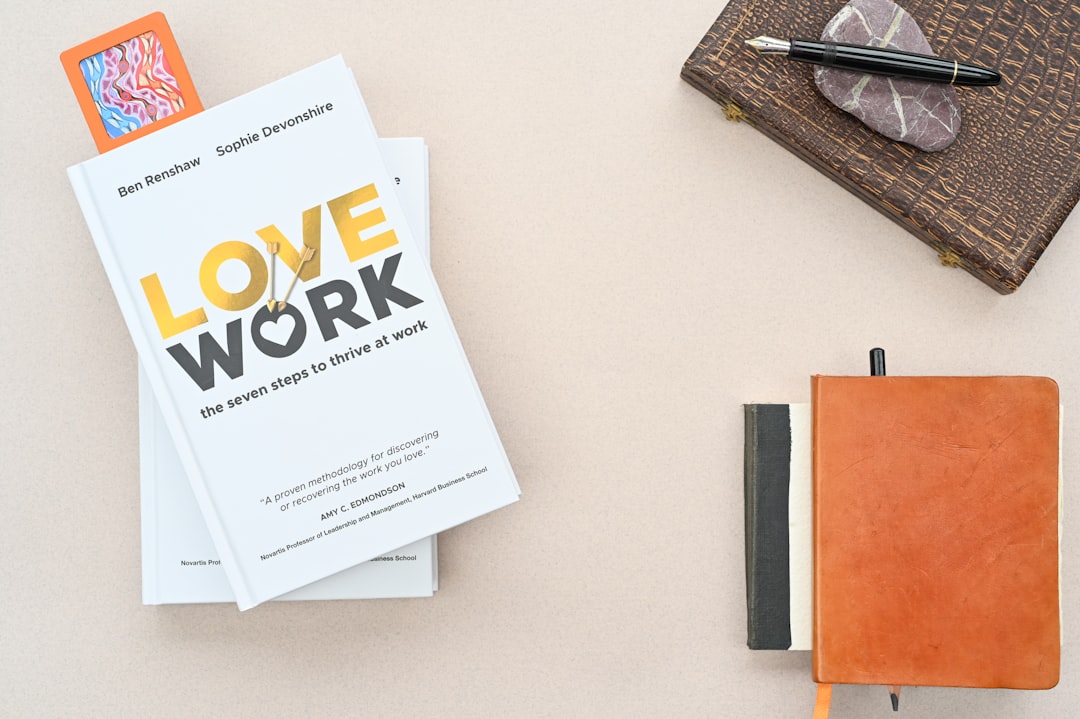
Experts in workplace culture suggest that leaders must model the behaviors they wish to see in their teams. Dr. Amy C. Edmondson, a professor at Harvard Business School, emphasizes the importance of psychological safety in fostering a healthy work environment. “When leaders prioritize their own well-being, it sends a powerful message to employees about the importance of balance,” she explains. This perspective aligns with the founder’s approach, as she actively shares her own struggles with work-life balance, encouraging open dialogue among her team.
Moreover, the financial implications of prioritizing employee well-being cannot be overlooked. A study by Gallup found that organizations with engaged employees outperform their competitors by 147% in earnings per share. By investing in mental health resources and promoting a culture of balance, companies can enhance productivity and retention, ultimately leading to greater financial success.
 AI
AIAI Layoffs Spark Startup Renaissance in 2025
AI layoffs in 2025 are sparking a surge in startup growth, reshaping the tech landscape and creating new career opportunities…
Read More →As the founder navigates her own work-life balance, she acknowledges the challenges that come with leading a growing company. “I’m not perfect, and I don’t expect my team to be either. We’re all human, and we need to support each other,” she says. This acknowledgment of imperfection fosters a culture of empathy and understanding, essential components in today’s workplace.
Edmondson, a professor at Harvard Business School, emphasizes the importance of psychological safety in fostering a healthy work environment.

Looking ahead, the conversation around work-life balance is likely to evolve further. With the rise of remote work and the gig economy, employees are increasingly seeking roles that align with their personal values and lifestyles. Companies that adapt to these changing expectations will not only attract top talent but also cultivate a loyal workforce.
As we move into 2026, the challenge for leaders will be to create environments that prioritize both productivity and well-being. How can organizations balance the demands of growth with the necessity of employee health? The answer may lie in fostering a culture that values flexibility, open communication, and mutual support. As the founder of this $100 million company illustrates, success is not solely defined by financial metrics but also by the well-being of the people who drive that success.