No products in the cart.

Beeple’s $100K Robot Dog: A New Era in Digital Art

Digital artist Beeple has made headlines again with a $100K robot dog featuring his face. This project highlights the evolving landscape of digital art and its intersection with technology.

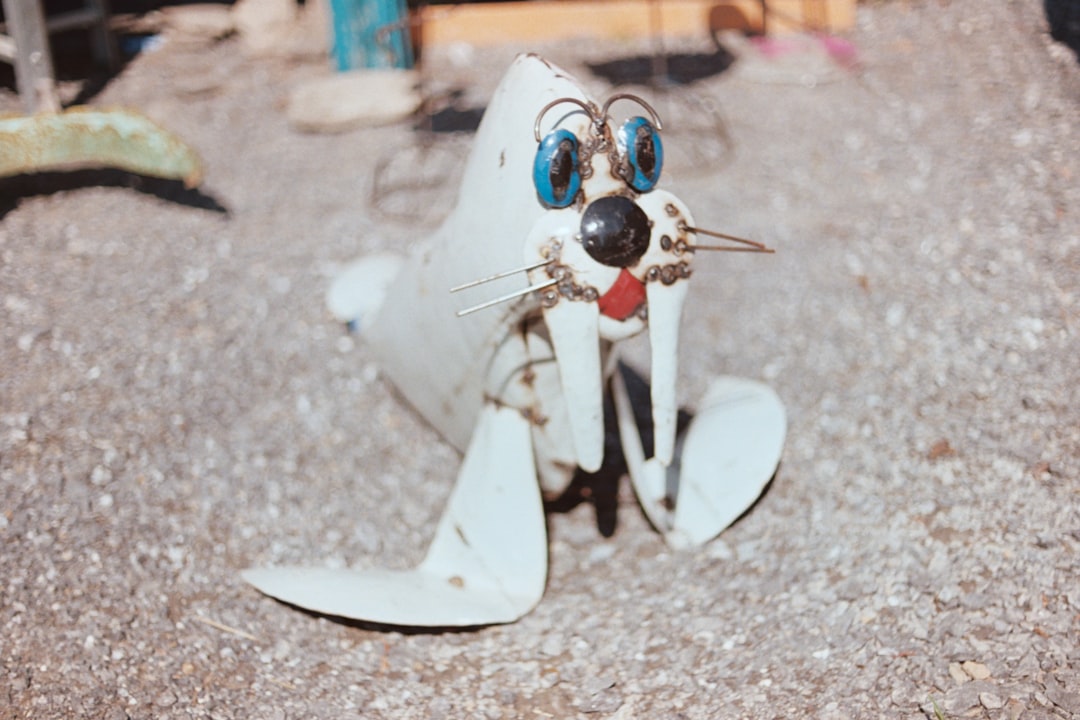
Miami, USA — Digital artist Beeple, known for his groundbreaking work in the NFT space, has unveiled a striking new project: a $100,000 robot dog featuring his face, positioned next to iconic figures like Elon Musk and Picasso. This innovative piece not only sold first but also marks a significant moment in the evolution of digital art, showcasing the intersection of technology and creativity.
The project, which debuted at a recent art exhibition, has drawn considerable attention for its bold statement on the future of art. Beeple, whose real name is Mike Winkelmann, has previously made headlines with his record-breaking NFT sales, including a digital collage that sold for $69 million in March 2021. This latest endeavor reflects his ongoing influence in the art world and the growing acceptance of digital mediums as legitimate forms of artistic expression.
As the art market continues to evolve, the integration of technology into traditional art forms is becoming increasingly prevalent. The robot dog, valued at $100,000, serves as a testament to this trend, pushing boundaries and challenging perceptions of what art can be.
 Emotional Intelligence
Sporting Directorship Master’s: Strategic Leadership in Elite Sports Management
An in-depth analysis of the Sporting Directorship Master's course, its curriculum, and the critical role it plays in professionalising executive…
Read More →The significance of Beeple’s robot dog extends beyond its price tag. It symbolizes a shift in how art is created, perceived, and valued in the digital age. With the rise of NFTs and digital collectibles, artists are exploring new avenues for expression and monetization. Beeple’s work exemplifies this shift, merging physical and digital realms in a way that resonates with contemporary audiences.
Beeple’s work exemplifies this shift, merging physical and digital realms in a way that resonates with contemporary audiences.
Critics and supporters alike are taking notice. Some argue that the commercialization of art through technology dilutes its intrinsic value, while others celebrate it as a necessary evolution. “Art has always been about pushing boundaries,” says art critic Sarah Johnson. “Beeple is at the forefront of this movement, and his latest project is a bold statement about the future of creativity.”
Moreover, the presence of figures like Elon Musk and Picasso in the project highlights the cultural significance of such collaborations. Musk, known for his ventures in technology and space exploration, represents the fusion of innovation and creativity. Picasso, a pioneer of modern art, symbolizes the timeless nature of artistic expression. Together, they underscore the importance of dialogue between past and present, tradition and innovation.
However, not everyone is convinced of the merits of this digital art revolution. Critics argue that the focus on high-value sales and celebrity endorsements can overshadow the work itself. “Art should be about the message, not the price tag,” asserts art historian Michael Thompson. He warns that the commercialization of art could lead to a homogenization of creativity, where financial success becomes the primary measure of artistic worth.
 Higher Education
International Students Brace for Visa Uncertainty Amid Policy Changes
International students in the U.S. are facing new visa uncertainties as policy changes unfold. Discover the implications for education and…
Read More →Additionally, the environmental impact of NFTs and digital art production has raised concerns. The energy consumption associated with blockchain technology, which underpins many digital art transactions, has sparked debates about sustainability in the art world. As artists like Beeple continue to innovate, they must also consider the broader implications of their work on society and the environment.

Looking ahead, the future of digital art appears promising yet complex. As technology continues to advance, artists will likely explore even more innovative ways to engage with audiences. The integration of augmented reality (AR) and virtual reality (VR) into art experiences could redefine how we interact with and appreciate art.
As artists like Beeple continue to innovate, they must also consider the broader implications of their work on society and the environment.
Moreover, as the market for digital art expands, it will be crucial for artists and collectors alike to navigate the ethical and environmental challenges that accompany this new frontier. The dialogue surrounding the value of art in the digital age will continue to evolve, prompting questions about authenticity, ownership, and sustainability.
 Productivity & Time Management
Harnessing Curiosity: Gen Z’s Path to Success
Curiosity is a defining trait of Gen Z, shaping their approach to learning and career development. This article explores its…
Read More →As we witness these developments, one must ask: How will the art world adapt to the challenges and opportunities presented by technology? Will we see a new generation of artists emerge, redefining creativity in ways we have yet to imagine?