No products in the cart.

Biocon’s $5.5 Billion Merger: A Bold Move in Biopharma

Biocon is set to merge its biologics unit in a $5.5 billion deal, acquiring the remaining stake from Serum and Mylan. This strategic move aims to strengthen its position in the biopharmaceutical sector.

Biocon, a leading biopharmaceutical company, has announced a significant merger involving its biologics unit, Biocon Biologics Limited. The deal, valued at $5.5 billion, will see Biocon acquire the remaining stake held by Serum Institute and Mylan through a share swap. This strategic move is poised to reshape the company’s future and enhance its global standing in the biopharmaceutical sector.
The merger is a culmination of Biocon’s efforts to consolidate its operations and streamline its focus on biosimilars, a rapidly growing segment in the pharmaceutical industry. Biocon currently holds approximately 78% of Biocon Biologics, and this acquisition will allow the company to fully integrate its biosimilars division into its parent organization. The share-swap ratio has been set at 70.28 Biocon shares for every 100 Biocon Biologics shares, with a share price of ₹405.78 per Biocon share [1].
 Business
Aaru’s $1 Billion Valuation: A New Era for AI Research
Aaru, an AI synthetic research startup, has raised a Series A funding round at a $1 billion valuation, marking a…
Read More →This merger is not just a financial maneuver; it represents a strategic pivot for Biocon in a competitive landscape. Kiran Mazumdar-Shaw, the founder and executive chairperson of Biocon, emphasized that this move will leverage the company’s global unique selling proposition (USP) in the biosimilars market. By merging Biocon Biologics with itself, the company aims to create a unified biopharma powerhouse capable of competing on a larger scale [2].
According to a report by Grand View Research, the global biosimilars market is expected to reach $100 billion by 2025, growing at a compound annual growth rate (CAGR) of 30% [3].
The biopharmaceutical sector is witnessing a surge in demand for biosimilars, particularly as healthcare systems worldwide seek cost-effective alternatives to expensive biologic drugs. According to a report by Grand View Research, the global biosimilars market is expected to reach $100 billion by 2025, growing at a compound annual growth rate (CAGR) of 30% [3]. Biocon’s strategic merger positions it to capitalize on this growth, potentially increasing its market share and revenue.
Moreover, the acquisition aligns with Biocon’s previous strategy of attracting investments to build global scale in biosimilars. The company had previously acquired a stake in Viatris, further solidifying its position in the market. The planned raise of ₹4,500 crore to buy Viatris’s residual stake indicates Biocon’s commitment to expanding its footprint in the biopharmaceutical landscape [4].
 Career Advice
Essential Questions for New Employees to Ask
New to your job? Here are essential questions to ask in your first week to stand out, understand company culture,…
Read More →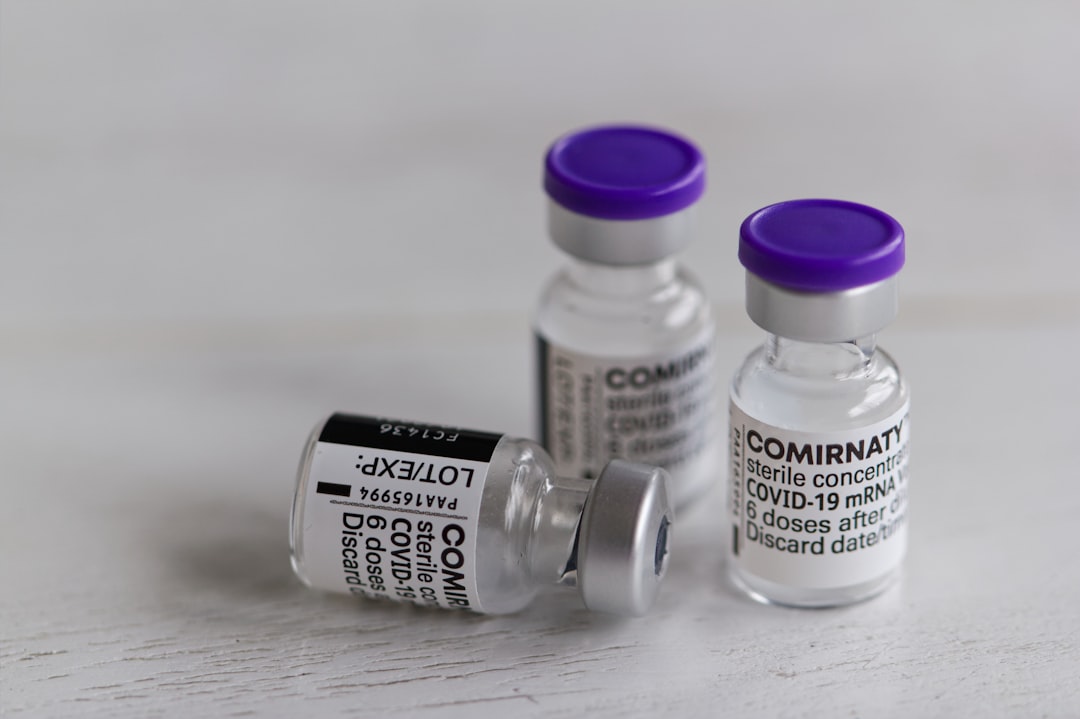
However, the merger is not without its challenges. Analysts point out that integrating two large entities can lead to operational complexities and cultural clashes. The success of this merger will depend on how effectively Biocon manages these integration challenges while maintaining its innovation pipeline. Furthermore, the competitive landscape is intensifying, with numerous players vying for market share in the biosimilars space. Companies like Amgen and Pfizer are also expanding their biosimilars portfolios, which could pose significant competition to Biocon’s ambitions [5].
Looking ahead, the merger could set a precedent for other biopharmaceutical companies considering similar consolidation strategies. As the industry evolves, companies may increasingly seek to merge or acquire to enhance their capabilities and market presence. For professionals in the biopharma sector, this merger highlights the importance of adaptability and strategic foresight in navigating a rapidly changing landscape. How will Biocon’s competitors respond to this bold move, and what implications will it have for the future of biosimilars?