No products in the cart.

BJP govt focused on strengthening higher education in Tripura: CM Saha

Tripura's Chief Minister Dr. Manik Saha reaffirms the government's commitment to strengthening higher education, aiming to boost career prospects for youth aged 16-35 through new universities, skill development centers, and industry-aligned programs.

Agartala, Tripura, India – Tripura Chief Minister Dr. Manik Saha recently affirmed the state government’s unwavering commitment to fortifying the higher education sector, a strategic move poised to significantly enhance career prospects for the region’s youth. Speaking during a press conference on October 26, 2023, CM Saha highlighted the transformative initiatives undertaken since 2018, emphasizing a holistic approach to education that directly addresses the evolving demands of the job market. This focus is particularly critical for Tripura, where a substantial demographic of individuals aged 16-35 seeks robust educational pathways and sustainable employment opportunities within the state, aiming to curb out-migration for better prospects.
The government’s vision extends beyond mere enrollment figures, targeting the creation of a skilled workforce capable of driving local economic growth and attracting investment. By aligning academic curricula with industry needs and fostering an environment of innovation, Tripura aims to position itself as a hub for specialized talent. This strategic pivot is designed to equip graduates with the certifications and practical expertise required by emerging sectors, ensuring a tangible return on investment for both students and the state’s economy over the next 6-24 months.
Tripura’s Educational Renaissance: A Foundation for Future Careers
Since 2018, Tripura has witnessed a significant policy shift, with the state government channeling substantial resources into expanding and modernizing its higher education infrastructure. CM Saha detailed that the state has established three new universities and upgraded 15 technical colleges, increasing the overall student intake capacity by an estimated 35% across professional courses. For the fiscal year 2023-24, the higher education budget saw a 30% increase, reaching approximately ₹750 crores, specifically allocated for infrastructure development, faculty recruitment, and advanced laboratory equipment. This investment has directly translated into enhanced access for students, particularly those from rural areas, who previously faced limited options for specialized studies within the state.
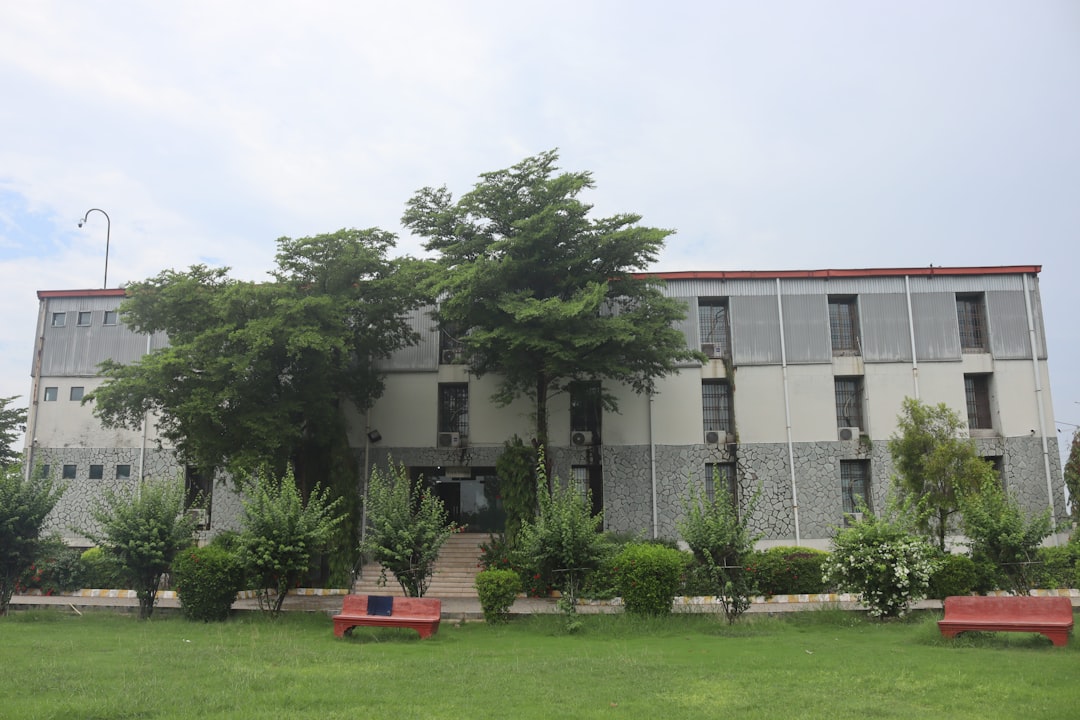
Key institutions like Tripura University and the National Institute of Technology (NIT) Agartala have been instrumental in this expansion, introducing new departments and research centers focused on cutting-edge fields. For instance, Tripura University launched a new School of Data Science and Artificial Intelligence in September 2022, enrolling over 120 students in its inaugural batch. Similarly, NIT Agartala expanded its B.Tech programs to include Renewable Energy Engineering and Robotics, responding directly to national and global demands for green technology and automation expertise. These developments are not just about academic growth; they are about creating a pipeline of skilled professionals for sectors projected to experience significant growth in the coming years.
 EdTech careers
Bridging the AI Skills Gap Through Online Education
Online degrees are increasingly vital in bridging the AI skills gap, equipping professionals with necessary tools for the future.
Read More →These developments are not just about academic growth; they are about creating a pipeline of skilled professionals for sectors projected to experience significant growth in the coming years.
The government’s commitment also extends to faculty development, with over 200 new teaching positions created in higher education institutions since 2020. This ensures that students receive instruction from qualified professionals, enhancing the quality of education. Dr. Anjali Sharma, Dean of Career Services at Tripura University, noted, “The strategic expansion of our academic offerings, coupled with increased faculty strength, means our graduates are better prepared for competitive job markets. We’ve seen a 20% increase in campus placements for technical courses over the last two years, with average starting salaries for engineering graduates ranging from ₹4.5 lakhs to ₹6 lakhs per annum.” This tangible improvement underscores the direct career benefits of the state’s educational reforms.
Bridging Skills Gaps: Industry-Aligned Programs and Certifications
A cornerstone of Tripura’s higher education strategy is the proactive alignment of curricula with industry requirements, ensuring graduates possess in-demand skills. The state has forged partnerships with leading national and regional industries to co-design specialized courses and internship programs. For example, the newly established Skill Development Centre in Agartala, inaugurated in March 2023, offers certified courses in areas such as Advanced Digital Marketing, Cybersecurity, and Ecotourism Management. These programs, typically 6-12 months in duration, are designed to provide practical, hands-on training, leading to industry-recognized certifications that significantly boost employability.
The focus on specific sectors is evident. With Tripura’s rich biodiversity and cultural heritage, the tourism and hospitality sector is a major growth area. New diploma and degree programs in Ecotourism and Hospitality Management have been introduced, aiming to train over 5,000 professionals by 2025. Similarly, recognizing the potential in agriculture, specialized courses in Agri-tech and Food Processing have been launched, targeting a 15% increase in skilled manpower for the state’s agricultural value chain. Mr. Rajesh Kumar, CEO of Tech Solutions Tripura, commented, “We’ve seen a marked improvement in the readiness of local graduates. The new curriculum in data analytics and cloud computing means we can now recruit locally for roles that previously required external hiring, reducing our operational costs and fostering local talent.”

Furthermore, the government has initiated a ‘Digital Literacy for All’ program, aiming to certify 50,000 youth in basic and intermediate digital skills by Q2 2024. This foundational training is crucial for entry-level positions across various industries and serves as a stepping stone for more advanced technical certifications. The emphasis on practical skills, coupled with industry exposure through mandatory internships, ensures that students are not just academically proficient but also job-ready upon graduation. This approach is projected to reduce the youth unemployment rate in Tripura by 5-7% over the next two years, creating a more vibrant local economy.
 Artificial Intelligence
India’s Quest for Tech Supremacy: A New Era in Innovation
India is on a mission to lead in tech sectors like semiconductors and AI. Discover how this ambition shapes the…
Read More →Navigating New Opportunities: A Roadmap for Tripura’s Youth
For young individuals aged 16-35 in Tripura, these educational reforms present unprecedented opportunities for career advancement and personal growth. The next 6-24 months will be crucial for leveraging these new pathways. Students currently in high school should explore the diverse range of new undergraduate programs in fields like AI, Data Science, Renewable Energy, and Ecotourism, considering their long-term career aspirations and the projected growth in these sectors. Those already pursuing higher education can benefit from the expanded skill development centers, enrolling in short-term certification courses to complement their degrees and gain a competitive edge in the job market.
Navigating New Opportunities: A Roadmap for Tripura’s Youth For young individuals aged 16-35 in Tripura, these educational reforms present unprecedented opportunities for career advancement and personal growth.
The state government has also established dedicated career counseling centers in district headquarters, offering guidance on course selection, scholarship opportunities, and job placement assistance. These centers provide valuable insights into hiring trends, average salary expectations for various roles, and the skills most sought after by employers. For instance, a recent report from the Tripura Skill Development Mission indicated a 20% year-on-year increase in demand for professionals with certifications in cybersecurity and full-stack development. Aspiring entrepreneurs can also access incubation centers and mentorship programs, fostering a culture of innovation and self-employment within the state.

The long-term vision articulated by CM Saha is to transform Tripura into a self-reliant state with a highly skilled workforce, capable of attracting significant industrial investment and retaining its brightest minds. By consistently investing in higher education and aligning it with economic realities, the government is laying a robust foundation for sustainable career growth and prosperity for its youth. The guidance for the next two years is clear: actively engage with these new educational avenues, acquire specialized skills, and prepare to contribute to Tripura’s burgeoning economy.
 Artificial Intelligence
BTech vs BCA: Choosing the Right Path for AI Careers
Choosing between BTech in Computer Science and BCA for a career in AI and emerging tech? Discover the key differences…
Read More →Sources
- Social News XYZ, published 2023-10-26
- Tripura Skill Development Mission Report, published 2023-09-15
- Department of Higher Education, Government of Tripura, published 2023-10-01
Sources: news.google.com