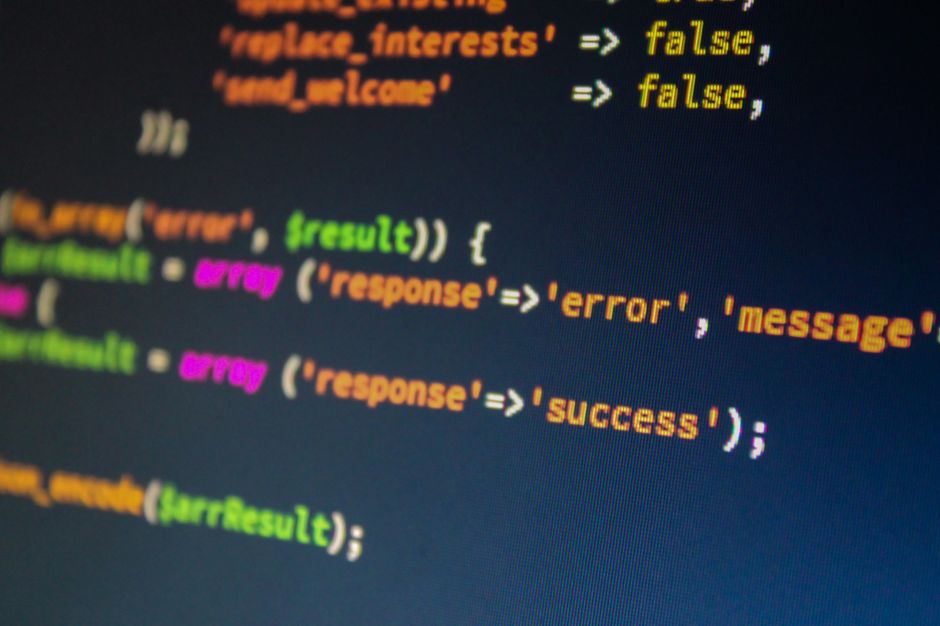
In the middle of October, agentic AI from OpenAI uncovered vulnerabilities in PHP, a programming language used for programs running on the internet.
AI protocols developed alongside the debate over self-improvement
ChatGPT 3.5 was released four years ago this month. In late 2024, Anthropic introduced the Model Context Protocol, or MCP. The sequence marks a change in the subject of the debate: alongside the appearance of AI systems, organisations introduced protocols for them. These developments sit beside a larger question about how far AI systems can improve themselves, and what that could mean for human control.¹
The following year, IBM introduced the Agent Communication Protocol, or ACP. ACP later merged with Google’s Agent2Agent protocol, or A2A, under the Linux Foundation. The ledger records a sequence: a protocol introduced by Anthropic, another from IBM, then a merger involving ACP and Google’s A2A. The protocols provide a concrete example of work taking place around AI systems, even as the debate turns to the possibility of systems that can improve their own capabilities.¹
The protocols provide a concrete example of work taking place around AI systems, even as the debate turns to the possibility of systems that can improve their own capabilities.¹
Recursive self-improvement describes a feedback loop
Anthropic defines recursive self-improvement as a process in which an AI system repeatedly analyzes, redesigns and builds a more capable version of itself. Each round creates a feedback loop that accelerates later development. The definition describes more than a system completing a task: the system changes its own design and produces a successor with greater capability. That mechanism is what makes the question of self-improvement distinct from the arrival of a new protocol or a single software tool.¹
 News
Harvard’s Class of 2030 Is 43.2% Asian American and 9.3% Black
Harvard’s Class of 2030 is 43.2% Asian American and 9.3% Black. Hispanic or Latino enrollment is 11.4%, while 9% of freshmen did not report race.
Read More →Futurist Ray Kurzweil has hypothesized that people may someday soon pass through a Singularity. Anthropic says AI that can build itself would be a major development in technology, with potential benefits in science and healthcare. It also warns that full recursive self-improvement could increase the risk of humans losing control over AI systems. The two sides of that claim are linked: a feedback loop that accelerates capability could also make control harder.¹
PHP vulnerabilities gave the risk a practical example
A research firm disclosed that PHP undergirds 70 percent of websites on the internet. The vulnerabilities uncovered by agentic AI therefore concerned a programming language with broad use across websites, rather than an obscure tool. The incident was dubbed “Black October.” The label attached a name to the episode in which AI uncovered software vulnerabilities, connecting the debate about advanced systems to a specific security problem.¹
On Oct. 29, CBS News reported that Binance, a cryptocurrency exchange, had been hit by a historic cyberattack. Hackers stole between $6.3 billion and $6.43 billion in digital assets. The theft was attributed to TraderTraitor hackers from North Korea. The PHP vulnerabilities and the Binance theft are distinct events in the ledger, but together they place AI’s ability to find software weaknesses beside the consequences of cyberattacks and the question of how systems should be defended.¹
The warning points beyond patching individual flaws
One assessment of the pace of change was: “people did not intuit the exponential.” The remark speaks to a mismatch between gradual expectations and accelerating development. The recursive self-improvement definition gives that acceleration a mechanism: each cycle produces a more capable system that can take part in the next cycle. That framing helps explain why the discussion reaches beyond a single vulnerability or protocol and turns to how people retain control over the systems they build.¹
A separate warning puts the security challenge in direct terms: “I no longer believe we are going to patch all of the bugs; we are going to have to completely switch the defense model for a new kind of defense shield.” The statement shifts the focus from repairing flaws one at a time to changing the model used to defend against them. The PHP episode supplies a concrete example of AI uncovering vulnerabilities; the warning describes a broader response to that kind of capability.¹
 Featured
Editor’s Note: October 2026
What can we teach the next generation that will never become obsolete? Managing Editor Pooja Backliwal introduces Career Ahead’s October 2026 issue, featuring Alexander Garfin…
Read More →The warning points beyond patching individual flaws One assessment of the pace of change was: “people did not intuit the exponential.” The remark speaks to a mismatch between gradual expectations and accelerating development.
Security Work Shifts from Patching to Defense
If you work in software or security, the Black October episode changes what you should prioritize. PHP powers 70 percent of websites, so a flaw in it touches nearly every web role you might hold. The lesson is not to wait for a patch list; the warning says patching all bugs will not happen. Instead, plan to build skills in designing defense models that assume AI will find and exploit weaknesses faster than humans can fix them. That means learning threat modeling, secure architecture, and automated defense tools rather than only fixing individual vulnerabilities.¹
The Binance theft, at up to $6.43 billion, shows the scale of what attackers can achieve when they find flaws first. If you are in finance, crypto, or any role handling digital assets, ask your employer what defense model they use, not just what bugs they patch. The protocols from Anthropic, IBM, and Google show that companies are standardizing how agents communicate; knowing these protocols gives you an edge in hiring. Also, the warning that people did not intuit the exponential suggests you should expect rapid change in your field and plan for roles that involve controlling AI systems, not just using them.¹
Sources
Written by Career Ahead AI. AI can make mistakes, so verify key facts. Report errors to support@careeraheadonline.com