No products in the cart.

Bridging Generational Gaps in the Workplace
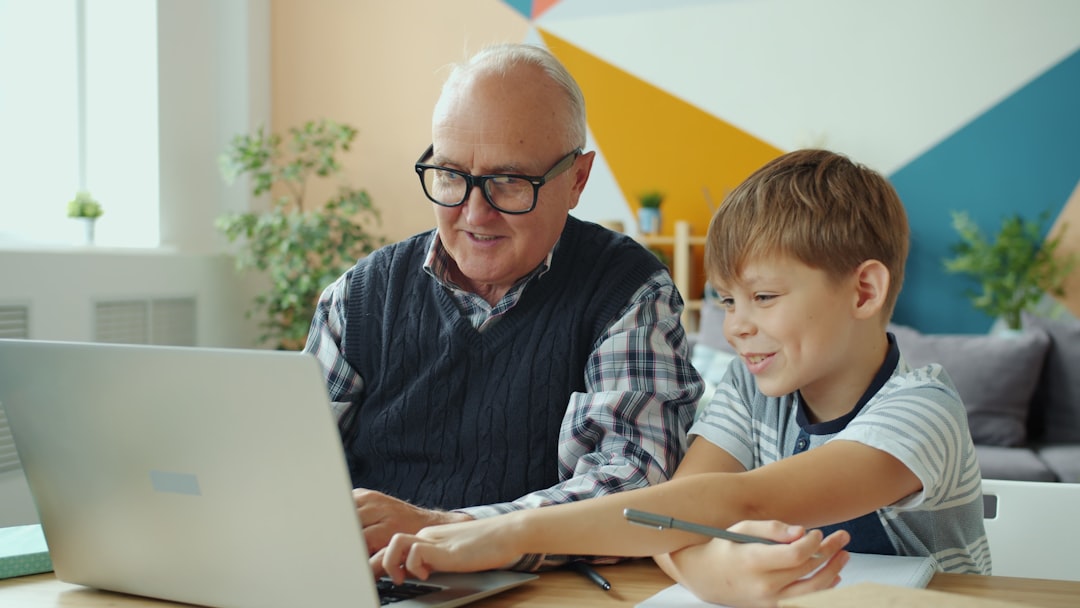
Understanding how different generations can work together effectively is crucial for today’s workplace dynamics. Here’s how to bridge those gaps.

Bridging Generational Gaps in the Workplace
As workplaces evolve, the need for collaboration across generations has never been more critical. With Baby Boomers retiring and Gen Z entering the workforce, organizations face unique challenges and opportunities. understanding how different generations can work together effectively is crucial for today’s workplace dynamics.
Each generation brings distinct perspectives and skills. Baby Boomers, with their decades of experience, offer invaluable insights into industry practices. Generation X, often seen as the bridge between the two, excels in balancing work-life integration and technological adaptability. Meanwhile, Millennials and Gen Z are driving a shift toward digital innovation and social responsibility. This blend of experience and fresh ideas creates potential for innovation but also presents challenges in communication and collaboration.

understanding the Generational Divide
To bridge the generational divide, organizations must first understand the values and motivations of each group. For instance, Baby Boomers tend to prioritize job security and loyalty, while Millennials favor flexibility and purpose-driven work. Gen Z, the newest entrants, are digital natives who value diversity, equity, and inclusion in their workplace environments.
Research from the Pew Research Center indicates that generational differences can influence workplace behavior and expectations. For example, 75% of Gen Z employees believe that work should provide opportunities for personal and professional growth, compared to 64% of Millennials and 55% of Gen X[1]. This data underscores the necessity for companies to adapt their management styles to accommodate the diverse needs of their workforce.
 Business And Entrepreneurship
From the BBC to Business
Explore the profound impact of words and the art of communication in personal and career success. Aysha Iqbal, Director of…
Read More →For example, 75% of Gen Z employees believe that work should provide opportunities for personal and professional growth, compared to 64% of Millennials and 55% of Gen X[1].
Strategies for Effective Collaboration
1. Mentorship Programs: Establishing mentorship programs can facilitate knowledge transfer between generations. Pairing younger employees with seasoned experts fosters professional development and nurtures relationships across age groups. A report by the Association for Talent Development found that 75% of employees who receive mentoring report increased job satisfaction and improved performance[2].
2. Flexible Work Arrangements: Adapting to the work preferences of different generations is essential. While Baby Boomers might prefer traditional office settings, Millennials and Gen Z often thrive in remote or hybrid environments. Companies that offer flexible work options can enhance productivity and morale across age groups.
3. Inclusive Communication: Different communication styles can create friction. Gen Z tends to favor digital communication, while older generations may prefer face-to-face interactions. Employers should promote an inclusive communication culture that respects these differences, encouraging open dialogue and feedback.
4. Cross-Generational Teams: Creating diverse teams can harness the strengths of different generations. A study by Harvard Business Review found that diverse teams are 35% more likely to outperform their competitors[3]. By combining the skills and insights of various age groups, organizations can drive innovation and problem-solving.
 Technology
Technology That Will Soon Change the World
Career Ahead technology is one of the backbones of the world today. And it’s evolving every single day. The technological…
Read More →Challenges to Overcome
Despite the benefits, bridging generational gaps is not without challenges. Stereotypes can hinder collaboration, with older generations sometimes viewing younger colleagues as inexperienced or entitled, while younger workers may see older employees as resistant to change. Addressing these biases through training and awareness programs is crucial for fostering a cohesive workplace culture.
Moreover, the rapid pace of technological advancement can create a knowledge gap. Many older employees may struggle with new tools and platforms, while younger employees may feel frustrated with outdated systems. Organizations must invest in ongoing training and development to ensure all employees are equipped to thrive in a digital landscape.
Addressing these biases through training and awareness programs is crucial for fostering a cohesive workplace culture.
Looking Ahead: The Future of Work
As we look toward the future, the ability to bridge generational gaps will be a key factor in workplace success. Companies that prioritize inclusivity and adaptability will not only improve employee satisfaction but also enhance their competitive edge. Organizations should focus on continuous learning, leveraging technology to foster collaboration and communication.
Ultimately, the future of work will require a mindset shift. Employers must recognize that each generation has unique strengths that can contribute to organizational goals. By fostering an environment that values diverse perspectives and encourages collaboration, companies can unlock the full potential of their workforce.
 Job Search Strategies
The Future of Work: Embracing Creativity as a Core Skill
Creativity is emerging as a crucial skill for the future workforce, reshaping job relevance and problem-solving capabilities.
Read More →As we navigate this evolving landscape, the emphasis on mentorship, flexible work arrangements, and inclusive communication will be vital. The organizations that succeed will be those that embrace the richness of generational diversity, creating a workplace where every employee feels valued and empowered.