No products in the cart.

Building Emotional Resilience in Education

Education systems are increasingly recognizing the need for emotional resilience. Programs that focus on mindfulness and empathy are shaping the future of learning.

New York, USA — Schools across the globe are rethinking traditional curricula to equip students with essential life skills. The rise of emotional resilience programs, teaching mindfulness, empathy, and self-regulation, reflects a growing recognition of the importance of mental health in education.
As the pressures of modern life escalate, educators and policymakers are prioritizing emotional intelligence alongside academic achievement. The World Health Organization reports that mental health conditions among young people are increasing, with one in seven adolescents aged 10-19 experiencing mental disorders globally. This alarming trend has sparked initiatives aimed at fostering emotional resilience in schools, making it a timely and critical focus for educators.

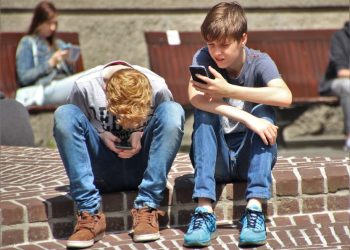
Emotional resilience in education is not merely an academic trend; it is a response to a pressing societal need. In a world where young people face unprecedented challenges, including social media pressures, economic uncertainty, and global crises, equipping them with tools to navigate their emotions is vital. Programs centered on mindfulness and empathy are emerging as practical solutions to this issue.
 Artificial Intelligence
AI Literacy: The New Frontier in Banking Education
Business schools must integrate AI literacy into finance education to prepare future leaders for a tech-driven industry.
Read More →Research indicates that integrating social-emotional learning (SEL) into school curricula can lead to improved academic performance, better behavior, and enhanced emotional well-being. A 2021 study published in the journal Child Development found that students who participated in SEL programs showed an 11 percentile-point gain in academic achievement compared to their peers who did not engage in such programs [1].
A 2021 study published in the journal Child Development found that students who participated in SEL programs showed an 11 percentile-point gain in academic achievement compared to their peers who did not engage in such programs [1].
In the United States, initiatives like the Collaborative for Academic, Social, and Emotional Learning (CASEL) have been at the forefront of promoting SEL. Founded in 1994, CASEL has worked with educators and policymakers to develop frameworks that integrate emotional learning into school systems. By focusing on competencies such as self-awareness, self-management, social awareness, relationship skills, and responsible decision-making, CASEL aims to create a holistic educational environment.
Internationally, countries like Finland have long embraced emotional learning as part of their educational philosophy. Finland’s education system prioritizes student well-being, incorporating mindfulness practices and emotional skills training into everyday learning. This approach has not only fostered a positive school culture but has also been linked to lower rates of student anxiety and depression.
Despite the proven benefits, the integration of emotional resilience programs faces challenges. Critics argue that educational institutions often prioritize standardized testing and academic performance over emotional well-being. A report by the Brookings Institution highlighted that while SEL programs show promise, implementation can be inconsistent and requires adequate training for educators [2].
 Entrepreneurship
Indian Startups Surge: $160 Million Raised in Just Six Days
In just six days, 29 Indian startups raised over $160 million, showcasing a vibrant and diverse entrepreneurial landscape. Explore the…
Read More →Moreover, the effectiveness of these programs can vary based on socio-economic factors. Schools in affluent areas may have more resources to implement comprehensive SEL initiatives compared to those in underfunded districts. This disparity raises questions about equity in education and the accessibility of emotional resilience training for all students.
In response, some organizations are working to bridge this gap. The Yale Center for Emotional Intelligence has developed the RULER program, which provides schools with tools to teach emotional intelligence skills. This program has been implemented in over 1,000 schools and has demonstrated significant improvements in student behavior and academic outcomes [3].
This disparity raises questions about equity in education and the accessibility of emotional resilience training for all students.
The future of education is increasingly intertwined with the emotional well-being of students. As more schools recognize the importance of emotional resilience, the potential for positive societal change expands. By nurturing skills such as empathy and mindfulness, educators can prepare students not just for academic success, but for life.
 Blockchain
Hong Kong’s Blockchain Leap: Healthcare Innovations on the Horizon
WORK Medical Technology Group and Hong Kong Web3.0 Association team up to explore blockchain’s potential in healthcare, paving the way…
Read More →Looking ahead, the challenge will be to ensure that these programs are universally accessible and effectively implemented. Policymakers, educators, and community leaders must collaborate to create frameworks that prioritize emotional learning alongside academic excellence. As the conversation around mental health continues to evolve, the integration of emotional resilience into education may very well become a cornerstone of how we prepare the next generation for the complexities of modern life.