No products in the cart.

Cultivating Creativity: The Economic Power of Cultural Exports

Explore the economic significance of cultural exports and creative entrepreneurship in driving GDP growth worldwide.

Across the globe, the economy of creativity is becoming increasingly vital in shaping national growth and development. As of October 25, 2025, various reports highlight how cultural exports, design innovation, and creative entrepreneurship are driving GDP growth in major economies. This shift not only fosters economic resilience but also opens new avenues for career development and professional opportunities.
The significance of this trend is underscored by the fact that cultural industries contribute approximately 3% of global GDP, according to a report by the United Nations Educational, Scientific and Cultural Organization (UNESCO). This statistic illustrates the magnitude of cultural exports and their potential to influence not only economic metrics but also job creation across diverse sectors.
What Drives the Global Economy of Creativity?
The rise of the creative economy can be attributed to several interrelated factors. Firstly, advancements in technology have democratized access to creative tools, allowing individuals and small businesses to innovate and produce at unprecedented rates. Secondly, globalization has expanded markets for cultural products, enabling creatives to reach audiences far beyond their local communities. Lastly, there is an increasing recognition among policymakers of the value that creativity adds to economic development.
According to a report from the World Economic Forum, the creative economy is projected to grow by 10% annually over the next five years, with significant contributions from sectors such as design, fashion, and digital media. This growth presents a unique opportunity for professionals and entrepreneurs to engage in and benefit from this burgeoning market.
 careers
India Accelerates Digital Skill Delivery with MOOC-NOS Alignment
India's national skill development authorities are driving a strategic shift towards digital skill enhancement by inviting Expressions of Interest for…
Read More →This growth presents a unique opportunity for professionals and entrepreneurs to engage in and benefit from this burgeoning market.
The Scale and Impact of Cultural Exports
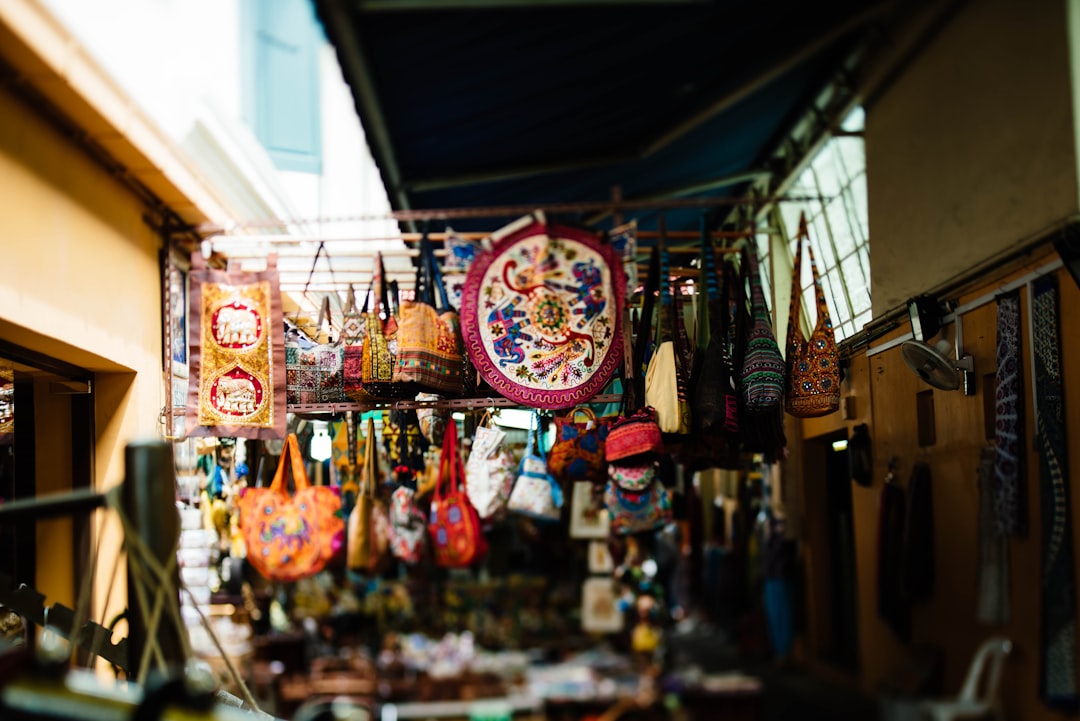
The scale of cultural exports is staggering, with the global market for creative goods valued at over $600 billion. This figure reflects a growing appetite for cultural products that resonate with international audiences. Countries like the United States, South Korea, and several European nations are at the forefront of this movement, capitalizing on their cultural heritage and innovation.
Dr. David Throsby, an economist at Macquarie University, emphasizes, “The creative industries are not just an economic sector; they are central to the identity and cohesion of communities.” This perspective highlights the dual role of cultural exports as both economic drivers and tools for social engagement.
Moreover, the impact of creative entrepreneurship extends beyond traditional artistic sectors. Industries such as technology and marketing increasingly integrate creative thinking into their business models, leading to innovative solutions and enhanced consumer engagement. For instance, the rise of digital platforms has allowed artists and creators to monetize their work directly, bypassing traditional gatekeepers.
Challenges and Opportunities for Creative Professionals
While the opportunities in the creative economy are vast, challenges remain. Intellectual property theft, market saturation, and lack of access to funding can hinder the growth of creative businesses. According to a 2025 report by the International Labour Organization (ILO), creative professionals often face precarious working conditions, impacting their ability to sustain long-term careers.
 Career Advice
The Art of Inquiry: Smart Questions for Interns to Ask Executives
Asking thoughtful questions can elevate an intern's career. Discover key questions to ask executives for deeper learning and connection.
Read More →Yet, these challenges also present opportunities for innovation. As the landscape evolves, there is a growing need for professionals who can navigate the complexities of the creative economy. Skills in digital marketing, entrepreneurship, and project management are becoming increasingly valuable. Programs that focus on fostering these skills are essential for equipping the next generation of creatives.
Future Trends in the Creative Economy
Looking ahead, several trends are likely to shape the future of the creative economy. The integration of artificial intelligence (AI) in creative processes is one such trend. AI tools are enhancing creativity by providing new ways to generate ideas and streamline production. This could lead to significant changes in how creative professionals approach their work.
According to a 2025 report by the International Labour Organization (ILO), creative professionals often face precarious working conditions, impacting their ability to sustain long-term careers.
Additionally, sustainability is becoming a crucial consideration for creative industries. Consumers are increasingly favoring brands that prioritize ethical practices and environmental responsibility. This shift is prompting creatives to rethink their production processes and the materials they use, ultimately leading to a more sustainable creative economy.
Governments and organizations are also beginning to recognize the importance of supporting the creative sector. Initiatives that promote cultural education and provide funding for creative projects are essential for sustaining growth in this area. By fostering a supportive environment for creative professionals, countries can harness the full potential of their cultural resources.
 Digital Citizenship
Strategies for Sustainable Productivity Without Pressure
Learn how to enhance productivity without the stress. Discover psychological strategies that promote sustainable output in your work life.
Read More →As the global economy of creativity continues to evolve, it presents a wealth of opportunities for professionals willing to adapt and innovate. By embracing new technologies, advocating for supportive policies, and prioritizing sustainability, the creative economy can drive significant economic growth and social impact in the years to come.