No products in the cart.

Emerging Green Jobs in India: Trends and Opportunities for 2025
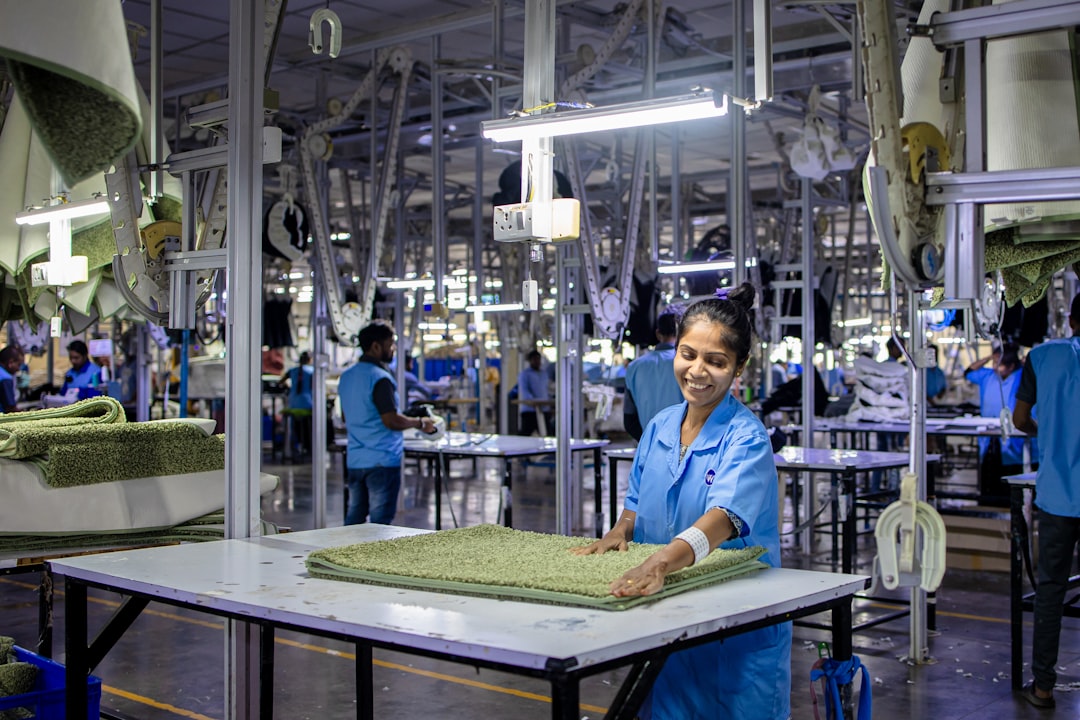
As India shifts towards sustainability, green jobs are on the rise. This analysis explores emerging trends and opportunities in 2025.

New Delhi, India — As global economies pivot towards sustainability, India stands at a crucial juncture. The nation is witnessing a significant rise in green jobs, fueled by government initiatives and corporate commitments to reduce carbon footprints. According to a report by the International Labour Organization (ILO), India is projected to create 24 million new green jobs by 2030 as part of its commitment to the Paris Agreement and its own Nationally Determined Contributions (NDCs) aimed at reducing greenhouse gas emissions by 33-35% from 2005 levels by 2030.
This surge in green employment is not just about numbers; it reflects a broader shift in the economic landscape, making it essential for job seekers, educators, and policymakers to grasp the implications. The transition towards renewable energy, sustainable agriculture, and eco-friendly technologies is reshaping the job market, compelling professionals to adapt and acquire new skills.

The Indian government has recognized the importance of this transition. In 2021, the Ministry of New and Renewable Energy (MNRE) launched the National Wind-Solar Hybrid Policy, which aims to enhance the efficiency of renewable energy projects. Alongside this, initiatives like the Skill India Mission are being aligned to equip the workforce with necessary skills for emerging sectors. A recent study by the World Resources Institute (WRI) highlighted that investment in green jobs could potentially contribute up to 2% to India’s GDP by 2030.
 Business And Entrepreneurship
FAQs on Startup Terminology
Career Ahead A startup can be defined as a business venture that aims to develop and bring to market a…
Read More →Green jobs encompass a wide range of sectors, from renewable energy and waste management to sustainable agriculture and green construction. The renewable energy sector alone is expected to generate approximately 1.6 million jobs by 2025. This includes roles such as solar panel installers, wind turbine technicians, and energy efficiency experts. Furthermore, as urban areas expand, the demand for sustainable urban planning and green construction practices is expected to rise, creating additional opportunities.
According to the National Skill Development Corporation (NSDC), only 5% of India’s workforce is skilled in the green economy.
However, the transition to a greener economy is not without challenges. A skills gap persists, with many existing workers lacking the necessary training for new green roles. According to the National Skill Development Corporation (NSDC), only 5% of India’s workforce is skilled in the green economy. This gap highlights the urgent need for educational institutions and training programs to adapt their curricula to include sustainability-focused courses.
Experts believe that collaboration between the government, private sector, and educational institutions is crucial to bridging this gap. Companies like Tata Power and Infosys are already investing in training programs aimed at upskilling their workforce for green jobs. Moreover, universities are beginning to offer specialized degrees in environmental science, renewable energy, and sustainable development, further aligning education with the needs of the market.
The rise of green jobs also aligns with the increasing consumer demand for sustainable products and services. A survey conducted by Nielsen found that 73% of global consumers are willing to change their consumption habits to reduce their environmental impact. This trend is prompting businesses to innovate and adopt sustainable practices, thereby creating more job opportunities in the process.
 Business And Entrepreneurship
A Hitchhiker’s Guide to the World of Entrepreneurship
Uncover the essence of entrepreneurship and embark on a transformative journey. This article delves into the two types of people…
Read More →While the outlook for green jobs in India is promising, it is essential to ensure that these jobs are accessible to all segments of society. The government’s focus on inclusive growth must extend to green job initiatives, particularly for marginalized communities. Programs aimed at providing training and support for women and rural populations can help ensure that the benefits of the green economy are widely distributed.
Looking forward, the trajectory of green jobs in India will depend on several factors. Continued investment in renewable energy, effective policy implementation, and a commitment to education and training will be vital. As the world increasingly prioritizes sustainability, India has the opportunity to position itself as a leader in the green economy. The future of work in India will not only be about creating jobs but also about fostering a sustainable future for generations to come.
Moreover, universities are beginning to offer specialized degrees in environmental science, renewable energy, and sustainable development, further aligning education with the needs of the market.
As we look ahead, the question remains: Is India prepared to meet the demands of a rapidly evolving job market driven by sustainability? The answer lies in our collective efforts to embrace change, innovate, and invest in the skills of tomorrow.