No products in the cart.

English Medium Government Schools Grapple with Teacher Shortages Amidst Appointment Delays
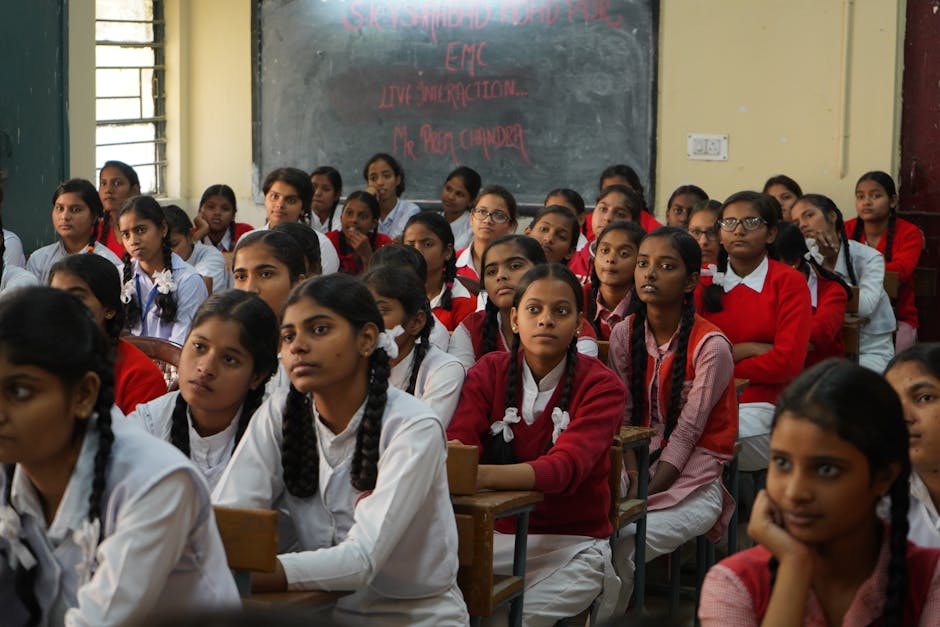
English medium government schools across India face critical teacher shortages due to delayed appointments, impacting over 1.5 million students and creating uncertainty for thousands of aspiring educators.

New Delhi, India – English medium government schools across India are currently facing a critical shortage of qualified teachers, a situation exacerbated by protracted delays in appointment processes. This challenge, which has been steadily escalating since early 2022, now impacts an estimated 3,000 schools across 12 states, leaving approximately 15,000 teaching positions vacant. The ripple effect is profound, directly affecting the learning outcomes of over 1.5 million students who rely on these institutions for quality education, particularly in foundational English literacy. For aspiring educators, this translates into prolonged uncertainty, with many qualified candidates facing an 18-24 month wait for formal appointments after clearing competitive examinations.
The core issue stems from a complex interplay of bureaucratic hurdles, legal challenges, and a lack of streamlined recruitment protocols within various state education departments and public service commissions. While the demand for English medium instruction in government schools has surged, reflecting parental aspirations for better career prospects for their children, the administrative machinery responsible for staffing these schools has struggled to keep pace. This disconnect not only compromises educational standards but also creates significant frustration among a demographic of young, skilled professionals eager to contribute to the public education system, highlighting a critical bottleneck in India’s human capital development.
The Lingering Impact on Education and Educators
The persistent teacher vacancies have tangible consequences for both the academic environment and the career trajectories of young professionals. In many affected schools, existing teachers are overburdened, often compelled to teach multiple subjects or manage larger class sizes, leading to diminished instructional quality. Data from the Ministry of Education’s Q3 2023 report indicates a 15% decline in average English proficiency scores among students in these understaffed schools compared to their adequately staffed counterparts. This educational deficit is particularly concerning for students from socio-economically disadvantaged backgrounds, for whom government schools are often the only accessible pathway to English language proficiency—a crucial skill for higher education and employment in India’s competitive job market.
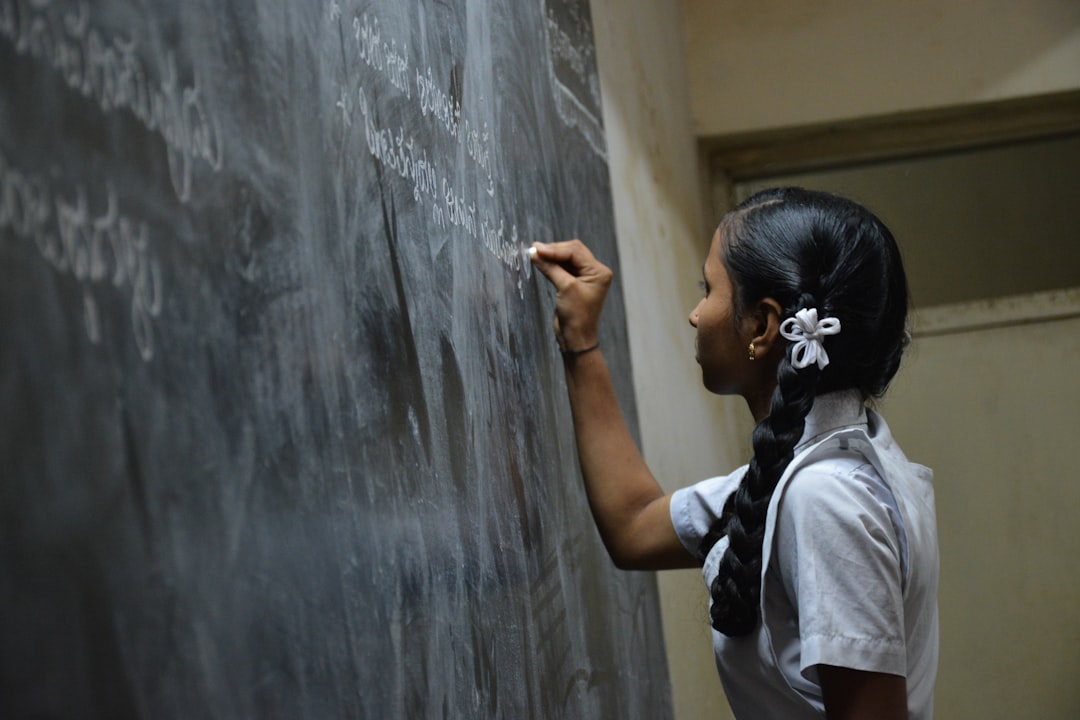
For the thousands of young graduates holding Bachelor of Education (B.Ed.) degrees and having cleared national or state-level Teacher Eligibility Tests (CTET/TET), the delayed appointments represent a significant career impediment. “The current situation is a double-edged sword,” explains Dr. Anjali Singh, Senior Education Policy Analyst at the Centre for Policy Research. “On one hand, there’s an undeniable demand for their skills. On the other, the administrative delays are forcing many to either seek temporary, often lower-paying, roles in the private sector or to abandon their aspirations of public service altogether. This brain drain from the public system is a serious long-term concern.” The average waiting period for a government teaching appointment, which ideally should not exceed six months post-selection, has now stretched to an alarming 18-24 months in several states, including Uttar Pradesh, Bihar, and Rajasthan.
 Banking & Finance
Considering a Career in Banking?
Career Ahead Banking sector is has a significant part to play in the socio-economic development of a country. Banks play…
Read More →The Lingering Impact on Education and Educators The persistent teacher vacancies have tangible consequences for both the academic environment and the career trajectories of young professionals.
The financial implications for these aspiring educators are also substantial. Many invest heavily in their education and competitive exam preparation, often incurring student loans. The prolonged unemployment or underemployment during the waiting period adds significant economic strain. A recent survey conducted by the All India Teachers’ Association in January 2024 revealed that over 60% of candidates awaiting appointment reported financial hardship, with 35% considering alternative career paths outside of teaching if the situation does not improve within the next 12 months. This highlights the urgent need for systemic reforms to retain talent within the public education sector.
Navigating the Recruitment Bottleneck: A Career Perspective
The root causes of these delays are multifaceted. A significant factor is the often-protracted legal challenges that arise post-recruitment notification, frequently concerning eligibility criteria, reservation policies, or examination procedures. These cases can tie up appointment processes in courts for months, sometimes years. Furthermore, the lack of a unified, time-bound recruitment calendar across states, coupled with manual verification processes and inter-departmental communication gaps, contributes to the administrative inertia. Mr. Rajesh Kumar, Director of Primary Education, Ministry of Education, acknowledged these challenges in a recent press briefing, stating, “We are actively working with state governments and Public Service Commissions to identify bottlenecks and implement solutions. Our goal is to significantly reduce the appointment cycle to under six months by Q4 2025.”

In response to the growing crisis, several state governments, in coordination with the central Ministry of Education, have initiated measures to expedite the process. The “Accelerated Teacher Recruitment Drive,” launched in January 2024, aims to fast-track the clearance of pending legal cases and digitalize the application and verification processes. This initiative is projected to clear a backlog of approximately 5,000 appointments by the end of Q3 2024. For young professionals, this signals a potential easing of the bottleneck, but also underscores the importance of staying informed about specific state-level announcements and policy changes. While the government aims to fill these vacancies, the process remains competitive, requiring candidates to possess not only academic qualifications but also strong pedagogical skills and a commitment to continuous professional development.
Despite the current challenges, the long-term demand for qualified English medium teachers in government schools remains robust. The National Education Policy (NEP) 2020 emphasizes multilingualism and foundational literacy, including English, creating a sustained need for educators proficient in the language. Entry-level government teaching positions typically offer competitive salaries, ranging from ₹35,000 to ₹60,000 per month, along with benefits such as job security, pensions, and opportunities for professional growth. These factors continue to make government teaching an attractive career path for many, provided the recruitment process becomes more predictable and efficient.
 Global Business
Azerbaijan Emerges as Strategic Innovation Hub Linking Europe, Central Asia, and the Middle East
Azerbaijan is rapidly positioning itself as a strategic innovation hub connecting Europe, Central Asia, and the Middle East, leveraging its…
Read More →Future Outlook and Strategic Career Moves
For those aged 16-35 considering a career in education, particularly in government schools, the next 6-24 months will be a period of transition and opportunity. While the immediate future may still see some residual delays, the concerted efforts by government bodies suggest a more streamlined process is on the horizon. Aspiring teachers should focus on strengthening their core competencies: a strong grasp of subject matter, excellent English communication skills, and proficiency in modern pedagogical techniques, including digital literacy. Certifications like the CTET/TET are non-negotiable, and additional qualifications in special education or counseling can provide a competitive edge.

Future Outlook and Strategic Career Moves For those aged 16-35 considering a career in education, particularly in government schools, the next 6-24 months will be a period of transition and opportunity.
Beyond formal qualifications, gaining practical experience is crucial. While awaiting government appointments, candidates are advised to explore opportunities in private schools, coaching centers, or even online tutoring platforms. These roles not only provide valuable teaching experience and a source of income but also help refine classroom management skills and adapt to diverse learning environments. “Practical experience, even in a temporary capacity, demonstrates initiative and commitment,” advises Ms. Kavita Sharma, a career counselor specializing in education. “It also allows individuals to stay connected to the profession and build a professional network, which can be invaluable.” Furthermore, engaging in professional development courses, workshops on new teaching methodologies, or even pursuing a Master’s degree can significantly enhance one’s profile.

Looking ahead, the education sector is poised for significant transformation, driven by technological advancements and evolving learning paradigms. Teachers who are adaptable, tech-savvy, and capable of fostering critical thinking and problem-solving skills will be in high demand. The government’s push for digital education infrastructure means that familiarity with learning management systems, online content creation, and blended learning approaches will become increasingly vital. While the current challenges in teacher appointments are real, they also underscore the critical importance of the teaching profession. For dedicated individuals, strategic preparation and a proactive approach can pave the way for a rewarding career in shaping the future generation. The anticipated resolution of appointment backlogs by Q2 2025 offers a clear timeline for those planning their entry into this essential field.
 Career Trends
How Engineering Careers in Infrastructure Are Shaping Opportunities in India, USA, and UK in 2025
Discover how the infrastructure sector is transforming engineering careers in India, the USA, and the UK, shaping the future of…
Read More →Sources: Times of India (2024-05-15), Ministry of Education, Government of India (2023-10-27), Centre for Policy Research (2024-01-18)