No products in the cart.

Fuel Anxiety Grows Amid Volatile Global Energy Markets
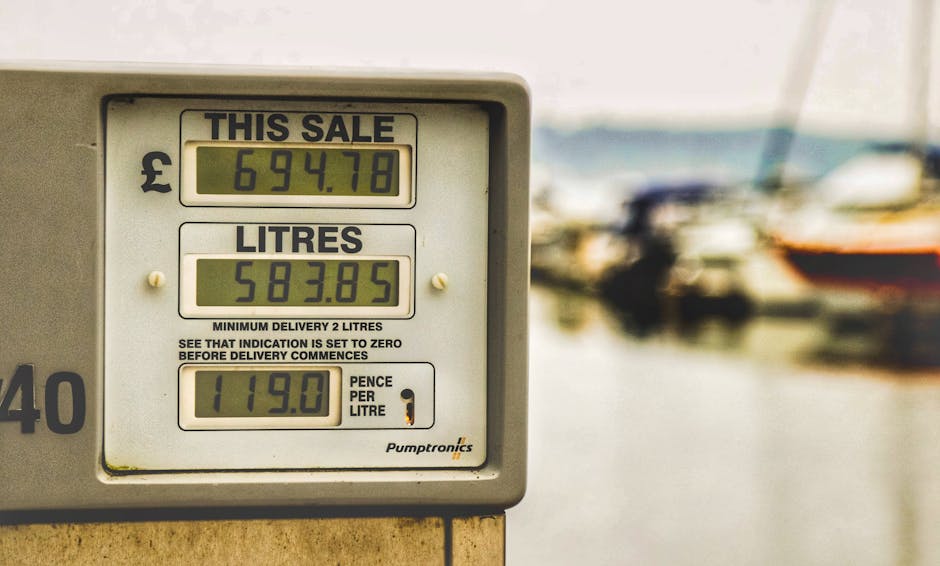
As crude oil prices surge due to geopolitical tensions, communities worldwide face rising fuel costs, prompting urgent strategies for adaptation.


“`html
The Fuel Crisis: A Global Perspective
The ongoing war in the Middle East has caused global energy markets to experience sharp price fluctuations. Recently, crude oil prices approached $120 per barrel before settling at just over $108. In Europe, the UK gas price rose 11.3% to 154.8 pence per therm, peaking at 183 pence. This volatility also affected equity markets, with the FTSE 100 dropping 2.4% to 10,049 points and Japan’s Nikkei falling 3.4%. In the US, major indexes closed slightly lower.
These figures reflect a strained energy system. Iranian strikes on Qatar’s Ras Laffan gas hub, a key facility for liquefied natural gas, have tightened supply, pushing oil and gas prices higher. Geopolitical risks, supply-chain disruptions, and seasonal weather events are forcing governments and households to face a new reality: fuel prices are unpredictable.
In Australia, Prime Minister Anthony Albanese held an emergency meeting with state leaders and appointed former energy regulator Anthea Harris as a “fuel czar.” Her role is to coordinate responses to price spikes and stabilize supply chains affected by the conflict. This highlights how even advanced economies are feeling the pressure.
Local Communities on Edge: The Human Cost of Rising Prices
For farmers in New South Wales and grain growers in Victoria, rising diesel prices are a daily concern. A litre of fuel now costs several cents more than last month, squeezing already thin profit margins after a drought. In regional Queensland, anxiety grows as Tropical Cyclone Narelle approaches, threatening transport routes and fuel logistics.
Urban commuters are also affected. In London, rising gas prices lead to higher heating bills, pushing many renters toward energy poverty. In Tokyo, the Nikkei’s decline reflects worries that prolonged fuel inflation could hurt consumer spending, crucial for the Japanese economy.
In Tokyo, the Nikkei’s decline reflects worries that prolonged fuel inflation could hurt consumer spending, crucial for the Japanese economy.
The psychological impact is significant. A farmer from the Riverina region, who wished to remain anonymous, said, “Every time I fill up, I’m reminded that my budget is shrinking.” Households worldwide are now balancing tighter grocery bills, mortgage payments, and fluctuating fuel costs that can vary by tens of dollars each month.
Navigating Uncertainty: Strategies for Coping with Fuel Anxiety
As the energy market remains volatile, individuals and communities are seeking ways to adapt. Here are three strategies that have emerged:
1. Diversify Energy Consumption at Home and Work
Investing in renewable energy sources—like solar panels on farms and rooftops—can help mitigate price swings. In Australia, a new rebate program for small-scale solar installations has led to increased adoption, allowing households to reduce their electricity bills.
You may also like
 News
NewsThe Skills Gap: Bridging Education and Workforce Needs in 2025
As the skills gap widens, education systems and industries must adapt. This article explores how they are bridging the divide in 2025.
Read More →Businesses are also exploring hybrid solutions. A logistics firm in Melbourne is retrofitting part of its fleet with electric trucks for short routes while keeping diesel vehicles for longer hauls, reducing exposure to diesel price fluctuations.

2. Embrace Alternative Fuels and Mobility Options
Hydrogen, biofuels, and compressed natural gas (CNG) are emerging as transitional fuels. Although hydrogen infrastructure is still developing, pilot projects in Queensland are testing hydrogen-powered forklifts, showcasing its potential for heavy-duty operations.
On the consumer side, car-sharing platforms and public transport subsidies are helping reduce fuel consumption. In London, the Transport for London (TfL) scheme offering discounted travel cards to low-income residents saw a 12% increase in usage since the fuel price spike, easing household budgets.
Embrace Alternative Fuels and Mobility Options Hydrogen, biofuels, and compressed natural gas (CNG) are emerging as transitional fuels.
3. Policy Levers and Community Resilience
Governments can alleviate fuel anxiety through targeted actions. Australia’s fuel czar will coordinate emergency stockpiles, expedite approvals for new fuel terminals, and negotiate with foreign suppliers for steady imports.
Price-stabilization mechanisms, like strategic petroleum reserves, can buffer against supply shocks. For instance, the UK’s National Gas Reserve can release up to 10% of its stored volume in emergencies, helping to mitigate future price spikes.
Community organizations are also stepping up. Rural cooperatives in New South Wales are bulk-purchasing diesel for members, using collective bargaining to secure lower rates than individual farmers could achieve.
The Long-Term View: From Crisis to Sustainable Opportunity
The current fuel anxiety highlights a deeper issue: the world’s dependence on fossil fuels vulnerable to geopolitical tensions and climate impacts. However, this urgency could drive a necessary transition.
Renewable energy technologies are now economically viable in many markets, making them both an environmental and economic choice. Energy-efficiency upgrades—like home insulation and smart-grid technologies—can significantly lower energy bills while reducing long-term demand.
This shift also creates new job opportunities in electric vehicle maintenance, solar panel installation, and energy auditing. Lifelong learning becomes essential for adapting to these changes.
You may also like
 Career Advice
How to Choose Between Multiple Offers Without Regret
Choosing between multiple job offers can be daunting. This article explores effective strategies, including scoring matrices and negotiation tactics, to help you make the best…
Read More →Lifelong learning becomes essential for adapting to these changes.

Critical Insight: Turning Anxiety into Action
Fuel anxiety affects millions who see rising prices impacting their budgets. The response must be multifaceted, combining personal responsibility, community support, corporate innovation, and effective policy.
When households diversify energy sources, businesses explore alternative fuels, and governments implement strategic reserves, collective resilience increases. Today’s challenges may pave the way for a more stable energy future.