No products in the cart.

Future-Proofing Careers in an Automated World

Explore six key strategies to help future-proof your career against automation and ensure long-term professional success.

As the pace of automation accelerates, workers in every sector must adapt to survive. A report from the World Economic Forum predicts that by 2025, over 85 million jobs may be displaced due to automation, while 97 million new roles could emerge that are more aligned with the new division of labor between humans and machines. Identifying and developing automation-resistant skills is crucial for anyone looking to navigate this evolving landscape.
Understanding which skills will remain relevant is the first step. According to a McKinsey Global Institute study, skills such as social intelligence, creativity, and advanced problem-solving are less likely to be automated. These capabilities enable individuals to work alongside artificial intelligence (AI) and leverage its power rather than compete against it. As workers face unprecedented changes in the job market, knowing how to position oneself strategically for future opportunities is more important than ever.
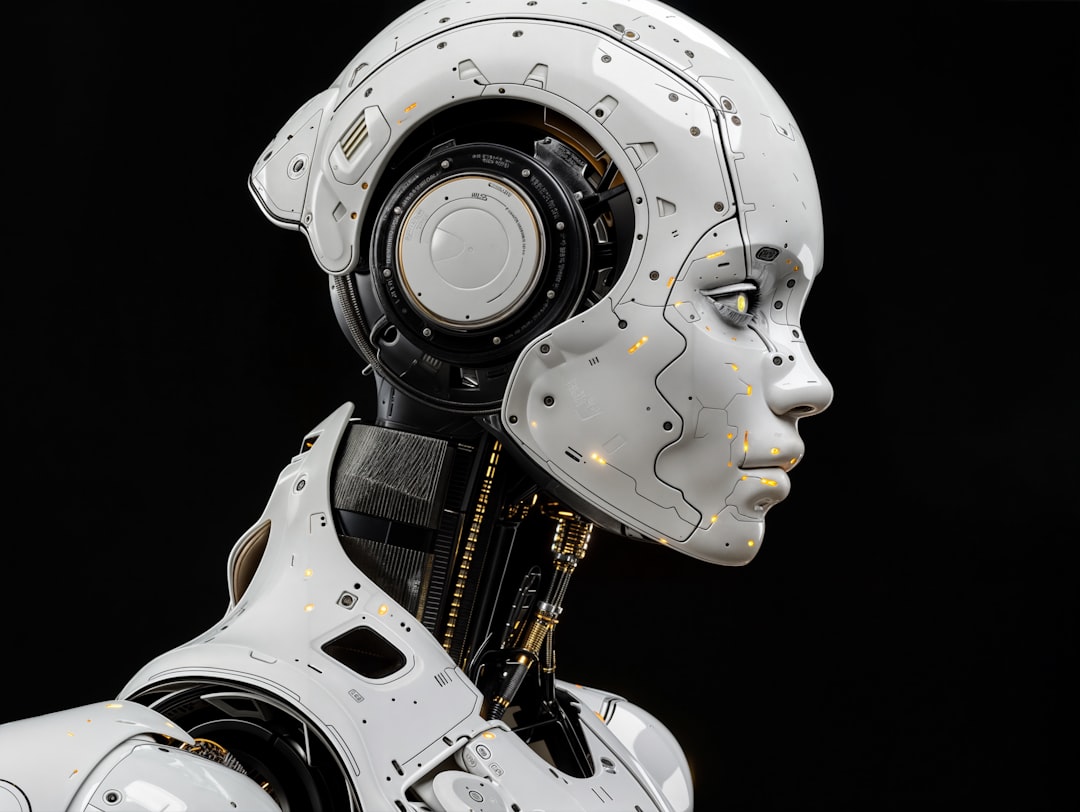
Automation is not just a threat; it also opens up avenues for innovation and growth. Companies like Amazon and Google are already integrating AI into their processes, reshaping industries and creating new roles. The key lies in continuous adaptation. Individuals must commit to lifelong learning and embrace new technologies to remain competitive.
Context and Background
 Career Development
Why Interdisciplinary Education Is Essential for Future Success
Interdisciplinary education merges arts, science, and technology, preparing students for a complex future. Discover its growing significance.
Read More →The rise of automation is not a new phenomenon. As early as the 1950s, technological advancements began reshaping the workforce, but the current wave of AI and machine learning is unprecedented in its scope and speed. According to the International Labour Organization, sectors such as manufacturing, retail, and transportation are particularly vulnerable. For instance, the trucking industry faces a significant threat with the advent of autonomous vehicles, potentially displacing millions of drivers.
Workers must not only adapt to new technologies but also learn how to leverage them effectively.
However, this evolution is not merely about job loss; it’s also about transformation. The demand for tech-savvy workers is on the rise. By 2025, it is estimated that 70% of all jobs will require digital skills, according to the World Economic Forum. This shift underscores the importance of reskilling and upskilling. Workers must not only adapt to new technologies but also learn how to leverage them effectively.
Critical Skills for the Future
- Emotional Intelligence: As automation takes over routine tasks, skills that require emotional labor, such as empathy and teamwork, will become increasingly valuable. Workers who can navigate complex interpersonal dynamics will stand out.
- Data Literacy: Understanding data is essential in a world driven by analytics. Workers should be able to interpret data trends and apply insights to make informed decisions.
- Creativity: Automation may excel in efficiency, but creativity remains a distinctly human trait. Professionals who can innovate and think outside the box will be highly sought after.
- Technical Proficiency: Familiarity with AI and machine learning technologies is becoming critical. Workers should seek training in coding, data analysis, and AI applications.
- Adaptability: The ability to pivot and embrace change is vital. An adaptable mindset can turn potential threats into opportunities.
- Collaboration with AI: Understanding how to work alongside AI technologies will be crucial. Workers should learn to harness AI tools to enhance their productivity.
Adapting to Change
Organizations are increasingly recognizing the need to invest in employee training and development. Companies like IBM and Microsoft have implemented robust reskilling programs, aiming to equip their workforce with the skills necessary for a tech-driven future. According to a report by PwC, businesses that invest in reskilling can expect a return on investment of $2.00 for every $1.00 spent on training initiatives.
The role of educational institutions is also evolving. Universities and vocational schools are beginning to offer more specialized programs focusing on skills that align with future job markets. Programs that integrate AI, data science, and digital literacy into their curricula are more likely to attract students looking for a competitive edge.
 careers
Gen Z’s Quiet Revolt Is Rewriting the Rules of Leadership
Gen Z is entering the workforce with blunt expectations: leaders must be transparent, values-led, and visibly accountable on pay, climate,…
Read More →Multiple Perspectives on Automation and Employment
While many experts agree on the importance of reskilling, there are differing views on the extent of automation’s impact on jobs. Some economists argue that history shows new job creation often offsets job losses caused by technological advancements. For instance, the advent of personal computers led to the creation of entire industries, such as IT and digital marketing.
Conversely, others highlight the potential for automation to exacerbate income inequality. A report from the Brookings Institution suggests that lower-wage jobs are more susceptible to automation, potentially widening the gap between high and low-income earners. This underscores the importance of targeted training programs that focus on vulnerable populations.
Universities and vocational schools are beginning to offer more specialized programs focusing on skills that align with future job markets.
Looking Ahead: Preparing for an Automated Future
As the landscape of work continues to evolve, professionals must prioritize continuous learning and adaptability. The emergence of hybrid roles that combine human skills with AI capabilities will likely dominate the future job market. Workers who proactively seek opportunities to develop their skills will be better positioned to thrive.
 Career Trends
The Rise of Workplace Backstabbing: How Gen Z, Millennials, and Managers Are Navigating a Toxic Office Norm
Backstabbing is back in the office, and it’s nastier than ever. New research reveals that Gen Z, Millennials, and even…
Read More →In this new era, the ability to learn, unlearn, and relearn will be paramount. Individuals should view their careers as dynamic paths that require ongoing adjustment to new realities. Embracing change will not only help navigate the uncertainties of automation but also open doors to new possibilities and innovations.