No products in the cart.

Harnessing Gamification for Adult Learning in Hospitality
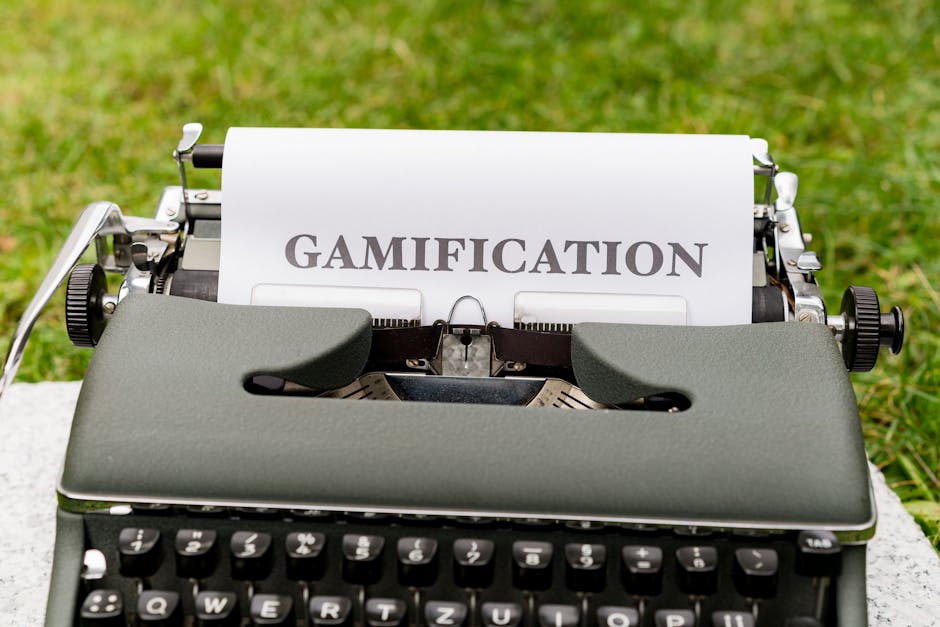
Gamification is reshaping adult learning in hospitality, enhancing engagement and retention through playful techniques. Discover its impact today.

San Francisco, USA — In an era where attention spans are dwindling, gamification is emerging as a powerful tool in adult learning, particularly within the hospitality industry. This innovative approach integrates game mechanics into educational contexts, fostering engagement and enhancing memory retention among adult learners.
As the hospitality sector continues to evolve, driven by technology and changing consumer expectations, the need for effective training methods has never been more critical. Traditional learning models often fall short, leading to disengagement and poor retention of information. Gamification offers a solution, transforming mundane training sessions into interactive experiences that captivate participants.

Recent studies indicate that gamified learning can improve knowledge retention by as much as 34% compared to traditional methods, according to research published by the American Psychological Association in 2022. By incorporating elements such as point scoring, leaderboards, and challenges, training programs can motivate employees to engage more deeply with the material.
 Artificial Intelligence
Career247 Aims to Equip One Million Learners with AI Skills in India
Career247 is set to empower one million learners in India with vital AI and digital skills, shaping the future workforce.
Read More →Historically, the hospitality industry has relied on conventional training methods, which often include lectures and rote memorization. However, as competition intensifies and customer expectations rise, companies are recognizing the need for more dynamic training solutions. The integration of gamification not only makes learning more enjoyable but also aligns with the fast-paced nature of the industry.
Recent studies indicate that gamified learning can improve knowledge retention by as much as 34% compared to traditional methods, according to research published by the American Psychological Association in 2022.
For instance, Marriott International has implemented gamified training modules that allow employees to earn rewards for completing courses and achieving milestones. This approach has not only increased participation rates but also improved overall job performance. According to a report from the company, employee engagement scores rose by 25% after the introduction of these gamified elements.
Moreover, the COVID-19 pandemic accelerated the shift towards digital learning platforms. With many in-person training sessions canceled, organizations turned to online solutions. Gamification proved to be a natural fit, as it can be easily integrated into e-learning environments. A survey conducted by LinkedIn Learning in 2023 found that 70% of employees preferred training that included gamified elements, highlighting the growing demand for engaging learning experiences.
However, the implementation of gamification is not without its challenges. Critics argue that not all employees respond positively to game-like elements. Some may find competition stressful rather than motivating. To address this, companies must tailor their gamification strategies to their workforce, ensuring that the approach resonates with diverse learning styles.
 Career Trends
The Impact of Redistricting on Leadership Trends in 2025
Redistricting is reshaping leadership dynamics in 2025, impacting political strategies and voter engagement.
Read More →Experts suggest that successful gamification in adult learning requires careful planning and execution. For example, Dr. Karl Kapp, a leading authority on gamification, emphasizes the importance of aligning game mechanics with learning objectives. “Gamification should not be an afterthought,” he notes. “It must be integrated into the learning experience to enhance engagement and retention effectively.”
As the hospitality industry continues to recover and adapt, the role of gamification will likely expand. Companies that embrace this approach stand to gain a competitive edge by fostering a more skilled and engaged workforce. The future of training in hospitality may increasingly resemble a game, where employees are not just passive recipients of information but active participants in their learning journey.
To address this, companies must tailor their gamification strategies to their workforce, ensuring that the approach resonates with diverse learning styles.
Looking ahead, the potential for gamification extends beyond hospitality. Other sectors, such as healthcare and finance, are beginning to explore how game-based learning can enhance employee training and development. As organizations seek innovative ways to engage their workforce, gamification could become a standard practice in adult education.
 News
NewsBalancing Hustle and Health: A $100 Million Founder’s Approach
Discover how a $100 million founder encourages her team to prioritize work-life balance, despite her own intense dedication.
Read More →In a world where learning is often viewed as a chore, gamification offers a refreshing alternative. By turning education into an engaging experience, companies can cultivate a culture of continuous learning and improvement. The question remains: how will your organization leverage the power of play to enhance learning outcomes?