No products in the cart.

How Higher Education Costs: A National and Global Analysis for 2025
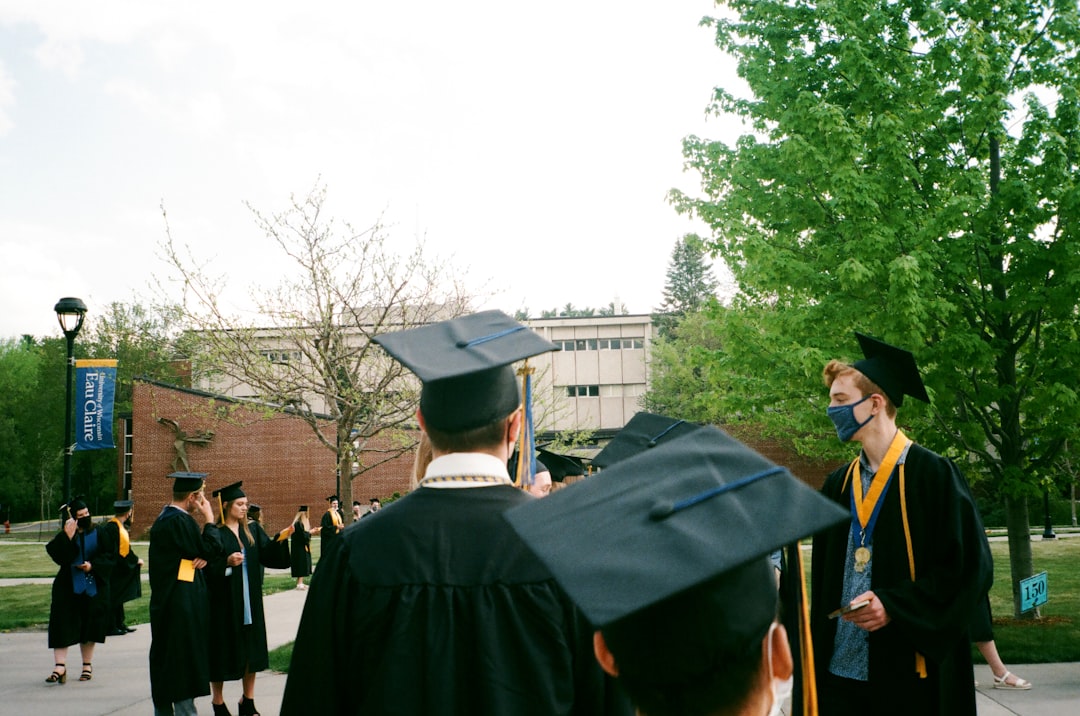
The rising costs of higher education are reshaping career paths across the globe. This analysis examines trends in India, the USA, UK, and Australia as of 2025.

As students across the globe prepare to step into the workforce in 2025, the shadow of soaring higher education costs looms large. Each year, the financial burden of obtaining a degree becomes an increasingly pressing issue, influencing not just the choices individuals make, but also the broader economic landscape.
The Global Landscape of higher education Costs
In recent years, countries such as India, the United States, the United Kingdom, and Australia have witnessed a significant increase in the cost of higher education. In the United States, for instance, the average tuition for a four-year degree has more than doubled since the early 2000s, with students often graduating with crippling debt. Meanwhile, in the UK, tuition fees for domestic students can reach up to £9,250 per year, and international students face even steeper charges.
Australia presents a unique case, where the government subsidizes tuition through the HECS-HELP scheme, yet students still often graduate with significant debt. In India, while the cost of education is generally lower, the quality and accessibility of higher education institutions vary drastically, creating disparities in career opportunities.

Impact on Career Choices and Workforce Dynamics
 Career
Jazan Conference Illuminates Future of Lab Technology Careers
The Jazan Conference on Laboratory Technology Innovations highlighted critical advancements in AI, automation, and genomics, shaping new career pathways for…
Read More →The financial implications of higher education extend beyond mere numbers; they are shaping the career trajectories of millions. In an environment where student debt is often seen as a financial albatross, graduates are increasingly opting for fields that promise higher immediate returns. This trend is evident in the surge of interest in STEM (science, technology, engineering, and mathematics) professions, which are perceived as more lucrative compared to the humanities or social sciences.
Impact on Career Choices and Workforce Dynamics The financial implications of higher education extend beyond mere numbers; they are shaping the career trajectories of millions.
Moreover, the rising costs are forcing students and families to consider alternatives to traditional four-year degrees. Vocational training, online courses, and apprenticeships are gaining traction as viable pathways to employment without the hefty price tag associated with a university degree. This shift not only benefits individual students but also addresses skill shortages in various industries, ultimately supporting economic growth.
The Role of Policy and Institutional Responses
In response to these challenges, governments and educational institutions are starting to take action. In the United States, there is a growing movement advocating for tuition-free community college and expanded financial aid programs, aimed at alleviating the financial burden on students. Similarly, the UK government has initiated discussions on reforming student loan repayment terms to better reflect graduates’ earning potentials.
In Australia, institutions are exploring partnerships with industries to create programs that align education with market needs, thereby enhancing job placement rates for graduates. These efforts reflect a recognition that the current model of higher education must evolve to meet the demands of both students and the global economy.
 Education
NCERT Revises Class 7 History Curriculum: Mughals and Delhi Sultanate Dropped, New Themes Added
Career Ahead The National Council of educational Research and Training (NCERT) has updated the Class 7 Social Science curriculum, sparking…
Read More →Looking Ahead: The Future of Higher Education and Career Paths
As we move deeper into 2025, the landscape of higher education will likely continue to evolve. Innovations in technology and changes in the global economy will further influence how education is delivered and financed. For instance, the rise of artificial intelligence and machine learning is already transforming the nature of work, necessitating ongoing education and skill development.
Moreover, the need for lifelong learning is becoming increasingly apparent as industries undergo rapid change. Employers are placing greater emphasis on skills and competencies over traditional degrees, prompting educational institutions to adapt their curricula accordingly.
For instance, the rise of artificial intelligence and machine learning is already transforming the nature of work, necessitating ongoing education and skill development.
Ultimately, the interplay between higher education costs and career paths will remain a critical topic of discussion. As stakeholders—students, educators, policymakers, and employers—navigate this complex landscape, the focus will need to be on creating a system that not only prepares individuals for the workforce but also supports equitable access to education. The future of work may well depend on how successfully we can balance these competing demands.