No products in the cart.

India and Norway Forge Strategic Partnership to Boost Aquaculture, Digital Innovation, and Sustainable Tourism
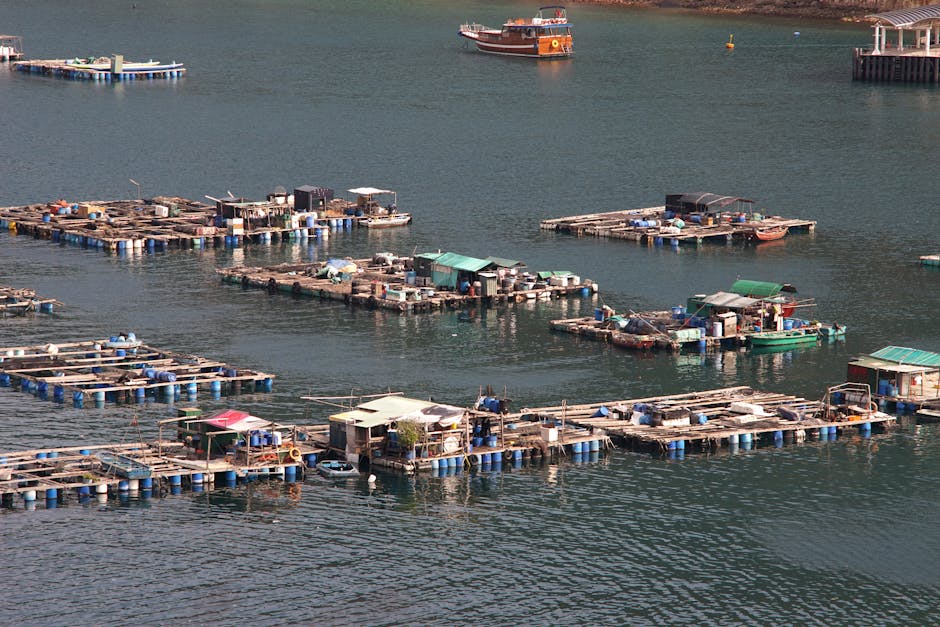
India’s collaboration with Norway targets sustainable growth in aquaculture, digital innovation, and tourism, creating new career and development opportunities in 2025.

New Delhi, India — India and Norway have launched a comprehensive partnership in 2025 aimed at propelling growth in aquaculture, digital innovation, and sustainable tourism. This collaboration aligns with India’s broader vision to nurture a sustainable future through skill development and technology transfer, leveraging Norway’s expertise in marine technology and green innovation. The bilateral initiative, formalized during a high-level meeting in Oslo in October 2025, is structured to boost India’s blue economy — a sector critical to coastal states and national employment targets. Joint programs will focus on sustainable fish farming, digital infrastructure development, and eco-friendly tourism models across key Indian states, including Kerala, Tamil Nadu, and Andhra Pradesh. These efforts come amid India’s intensified push to meet climate goals and foster inclusive economic growth through skill-building for its youth workforce.
Why This partnership Matters a startup founder
India’s population of over industry estimates increasingly demands innovative pathways for job creation and environmental stewardship. Aquaculture alone supports millions of livelihoods in coastal regions but faces challenges from climate change, overfishing, and inefficient practices. Norway, a global leader in sustainable aquaculture and marine technology, brings decades of experience in balancing economic growth with ecosystem preservation. In addition, India’s digital economy is expanding rapidly, yet rural and coastal communities often lack the infrastructure and skills to fully participate. Norway’s investment in digital innovation aims to bridge this divide, offering training and technology transfer to empower local entrepreneurs and workers. The tourism sector, which contributes over industry estimates to India’s GDP, is also targeted for transformation through sustainable development practices that can attract higher-value visitors while preserving cultural and natural heritage.
 Artificial Intelligence
AI, Skills, and Green Jobs: The Future of Careers in 2025
As AI and green jobs rise, understanding their impact on careers in 2025 is crucial. Join the discussion on future…
Read More →Strategic Context: India’s Blue Economy and Skill Development
India’s blue economy, valued at approximately $industry estimates in 2025, is poised for significant expansion. The government’s National Aquaculture Policy and Skill India Mission have prioritized modernizing fish farming, improving supply chains, and enhancing workforce skills. Yet, gaps in technology adoption and environmental safeguards remain. Norway’s aquaculture sector, by contrast, produces over 1.5 million tons of salmon annually with strict sustainability standards and advanced digital monitoring systems. The collaboration includes pilot projects to introduce Norwegian fish farming technology and environmental protocols in Indian coastal regions. Skill development programs will train thousands of Indian workers in aquaculture best practices, marine biosecurity, and digital farm management.
Skill development programs will train thousands of Indian workers in aquaculture best practices, marine biosecurity, and digital farm management.
Digital Innovation Partnerships and Sustainable Tourism
The partnership extends to digital infrastructure, where Norway’s tech firms will co-develop platforms to support e-governance, supply chain transparency, and digital literacy in coastal communities. This will facilitate better market access for fishers and small businesses, linking them to national and global markets. Simultaneously, sustainable tourism initiatives will focus on eco-tourism models in states like Kerala and Goa, blending community engagement with environmental conservation. Norway’s experience with sustainable tourism in the fjords and Arctic regions offers a framework for India to enhance visitor experiences without compromising fragile ecosystems.

 Artificial Intelligence
To Drive AI Adoption, Build Your Team’s Product Management Skills at Google
Discover how Google is focusing on product management skills to enhance AI adoption within teams. This article explores actionable insights…
Read More →Multiple Perspectives on Economic and Environmental Impact
Experts highlight that the India-Norway collaboration could serve as a template for international partnerships that blend economic development with ecological responsibility. Dr. Asha Menon, a marine biologist at the National Institute of Oceanography, notes, “Integrating Norwegian aquaculture technology with India’s vast coastal workforce can create a resilient sector that withstands environmental pressures.”
However, some voices caution about the challenge of technology adoption in rural India. A report by the Indian Council for Research on International Economic Relations points to infrastructural bottlenecks and the need for localized training adapted to socio-economic realities. The collaboration’s success will depend on sustained government support and inclusive policy design. From the Norwegian side, the partnership aligns with Oslo’s strategy to expand its blue economy footprint globally while promoting sustainable development goals. Norwegian Ambassador to India, H.E. Erik Solheim, emphasized in October 2025 the mutual benefits: “This partnership is about sharing knowledge and opening markets, creating jobs and protecting our planet.”
Implications for Careers and Policy in 2026 and Beyond
For India’s workforce, this partnership opens pathways in emerging fields such as digital aquaculture management, eco-tourism entrepreneurship, and green technology maintenance. Governments and educational institutions will need to scale vocational training and certification programs to meet demand. Policymakers must also integrate environmental safeguards into economic planning, balancing short-term growth with long-term sustainability. The India-Norway model could inspire other nations seeking to harness ocean resources responsibly while empowering local communities. As digital and climate challenges converge, this collaboration underscores the necessity of cross-border knowledge exchange and targeted skill development. For professionals and educators, it signals a growing market for expertise in sustainable marine industries and digital innovation, crucial to the evolving global economy.