No products in the cart.

India-EU FTA: New Delhi Slashes Tariffs for Mercedes and Others
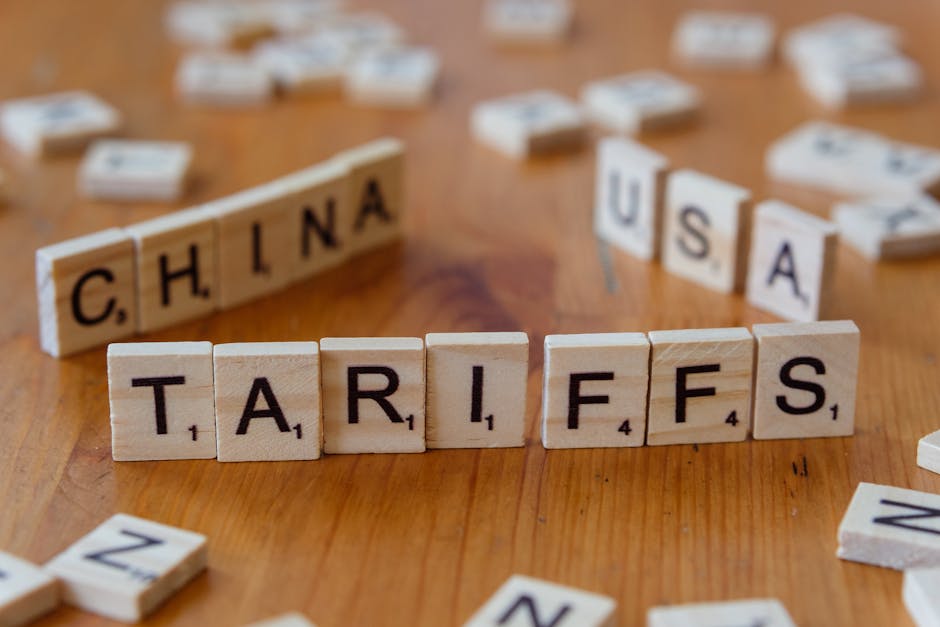
New Delhi is set to cut car import tariffs for EU manufacturers like Mercedes-Benz to 40%. This move will reshape the Indian automotive market.

New Delhi, India — In a significant move for the automotive sector, the Indian government is poised to reduce tariffs on car imports from the European Union (EU) to 40%. This reduction, which applies specifically to vehicles priced above 15,000 euros (approximately $17,739), is part of the ongoing negotiations for a Free Trade Agreement (FTA) between India and the EU. The current tariff rate stands at a staggering 110%, making this a pivotal shift for European car manufacturers, particularly Mercedes-Benz, Volkswagen, and BMW, who have long sought greater access to the Indian market.
The decision to cut tariffs is expected to enhance the competitiveness of EU carmakers in India, a market that currently sees the EU holding only a 4% share of the 4.4 million units sold annually. This share is dominated by local brands such as Mahindra and Tata, along with Japan’s Suzuki Motor, which together command approximately two-thirds of the market. The reduction in tariffs will allow these European brands to offer their vehicles at more attractive prices, potentially increasing their market share significantly.
The planned tariff cut comes at a time when India is looking to bolster its trade relations with the EU, aiming to finalize the FTA by early next week. This agreement has been dubbed the ‘Mother of All Deals’ and is expected to not only benefit the automotive sector but also expand bilateral trade in various goods, including textiles and jewelry. The Indian government’s strategy appears to be aimed at fostering a more open trade environment, which could lead to increased foreign investment and economic growth.
Implications for Mercedes-Benz and Other Automakers
 Career Development
Navigating Career Paths After a B.Ed: Beyond the Classroom
Graduates of B.Ed programs have diverse career paths to explore, from teaching to EdTech and administration. Here’s a guide to…
Read More →The reduction of tariffs to 40% represents a substantial opportunity for Mercedes-Benz and other European automakers. Currently, the high import duties have limited their ability to compete effectively against local manufacturers. With lower tariffs, these companies can potentially lower their prices, making their cars more appealing to Indian consumers. This could lead to a significant increase in sales volume for brands like Mercedes, which has been working to expand its footprint in the Indian market.
The Indian government’s strategy appears to be aimed at fostering a more open trade environment, which could lead to increased foreign investment and economic growth.
Moreover, the FTA negotiations also include provisions that could promote the import of electric vehicles (EVs). However, it is important to note that battery electric vehicles will remain exempt from tariff cuts for the first five years. This exemption aims to protect domestic manufacturers like Mahindra and Tata Motors, who are investing heavily in EV technology. As the market for electric vehicles grows, the dynamics of competition will shift further, with foreign brands needing to adapt quickly to local consumer preferences and regulatory requirements.
For Mercedes-Benz, the tariff reduction could signify a strategic pivot in its market approach. The company has been investing in local assembly plants and partnerships to enhance its operational efficiency in India. With the new tariff regime, it may further accelerate these initiatives, potentially introducing new models tailored to Indian consumers. This could also lead to increased employment opportunities within the country as production ramps up.
Strategies for Professionals in the Automotive Sector
As the automotive landscape in India transforms with the FTA, professionals in the sector can take proactive steps to position themselves for success. Here are some actionable strategies:
 Career Development
Harnessing the Athlete’s Mindset for Career Resilience
Learn how applying an athletic mindset can strengthen your career resilience and enhance your professional success. Discover actionable strategies here.
Read More →- Upskill in Electric Vehicle Technology: With the growing emphasis on electric vehicles, consider enrolling in courses focused on EV technology and management. This knowledge will be crucial as the market shifts towards greener alternatives.
- Network with Industry Leaders: Attend automotive industry conferences and trade shows to connect with key players. Building relationships with executives from companies like Mercedes-Benz can open doors to new career opportunities.
- Stay Informed on Trade Policies: Regularly monitor updates on trade agreements and tariffs. Understanding these changes will help you anticipate market shifts and align your career goals accordingly.
- Explore Job Opportunities in Manufacturing: With increased foreign investment, look for job openings in manufacturing plants and assembly units. Companies may seek skilled workers to meet the rising demand for imported vehicles.
However, experts caution that while the tariff cuts may benefit foreign automakers, they could also pose challenges for local manufacturers. According to a report by the Automotive Research Association of India, the influx of European vehicles could intensify competition, potentially leading to job losses in domestic companies that cannot keep pace with the new market dynamics.
The Future of the Automotive Market in India
The ongoing developments in the India-EU FTA negotiations signal a transformative phase for the automotive market. As tariff reductions take effect, we may witness a surge in imported vehicles, reshaping consumer preferences and market dynamics. The emphasis on electric vehicles will also likely accelerate, pushing local manufacturers to innovate and adapt.
Strategies for Professionals in the Automotive Sector As the automotive landscape in India transforms with the FTA, professionals in the sector can take proactive steps to position themselves for success.

In this evolving landscape, how will local brands respond to the increasing competition from European manufacturers? The next few months will be crucial in determining the balance between protecting domestic interests and embracing global trade opportunities. Will Indian consumers embrace the influx of new models, or will local brands find ways to compete effectively? The answers to these questions will shape the future of the automotive industry in India.