No products in the cart.

Indian Workers Take More Paid Leave: A Shift in Corporate Culture

As Indian employees increasingly take paid leave, a shift in workplace culture is emerging, reflecting broader trends in employee well-being and corporate policies.

Mumbai, India — Indian employees are taking more paid leave than ever before. In 2025, the trend reflects a significant shift in workplace culture and employee expectations. According to recent surveys, nearly 60% of employees have reported utilizing their paid leave entitlements more frequently than in previous years, with many citing well-being and mental health as primary motivators.
This increase in leave-taking is not merely a personal choice; it signals a broader change in corporate attitudes towards employee welfare. Companies are beginning to recognize that a healthier work-life balance can lead to enhanced productivity and employee satisfaction. As the competition for talent intensifies, especially among younger workers, organizations are adapting their policies to meet these evolving demands.
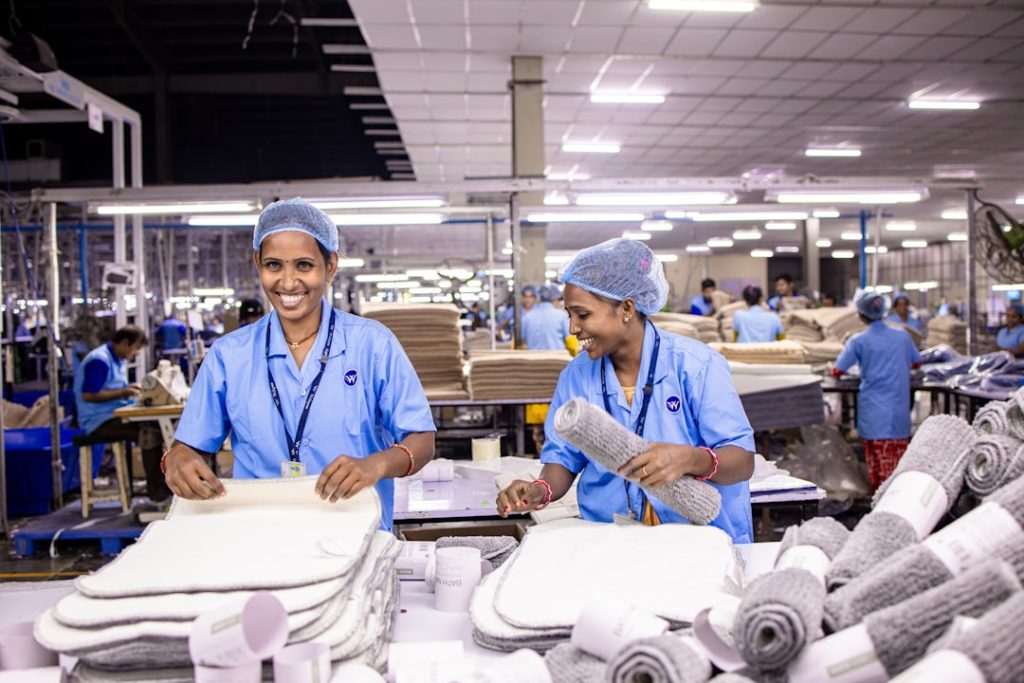
The rise in paid leave usage is particularly pronounced among younger generations. A study by the Indian Institute of Management, Bangalore, found that Gen Z employees are more likely to prioritize mental health and work-life balance compared to previous generations. This demographic shift is influencing not just individual choices, but corporate strategies as well. Organizations are now more inclined to offer flexible work arrangements and generous leave policies to attract and retain talent.
 AI
AINavigating the Future: AI’s Role in Education Policy
AI is transforming education policy, creating new career opportunities and reshaping how we learn. Explore this evolving landscape!
Read More →A study by the Indian Institute of Management, Bangalore, found that Gen Z employees are more likely to prioritize mental health and work-life balance compared to previous generations.
Historically, the corporate landscape in India has been characterized by a culture of long hours and minimal time off. However, the pandemic has accelerated a reevaluation of these norms. A survey by the Society for Human Resource Management (SHRM) reported that 70% of Indian companies have revised their leave policies since 2020, with many introducing additional mental health days and flexible leave options.
This change is not just a matter of policy; it reflects a deeper understanding of the relationship between employee well-being and organizational performance. According to a report by Gallup, companies that prioritize employee engagement and well-being see a 21% increase in productivity. As a result, businesses are starting to view paid leave not as a liability, but as an investment in their workforce.

Despite these positive trends, challenges remain. Many employees still feel pressure to justify their leave, especially in high-stakes industries such as finance and technology. A study by Deloitte indicated that while 85% of employees believe they should take leave for mental health reasons, only 40% actually do so, often due to fear of stigma or repercussions.
 Economics
Qantas Unveils Adelaide as Site for New Innovation Hub
Qantas is establishing an innovation hub in Adelaide, marking a significant investment in the region’s tech landscape.
Read More →The corporate response to these challenges is crucial. Organizations need to foster an environment where employees feel safe taking leave without fear of judgment. This includes openly discussing mental health, normalizing leave-taking, and ensuring that employees understand their benefits. For instance, companies like Infosys and Wipro have implemented training programs for managers to better support employees in taking leave.
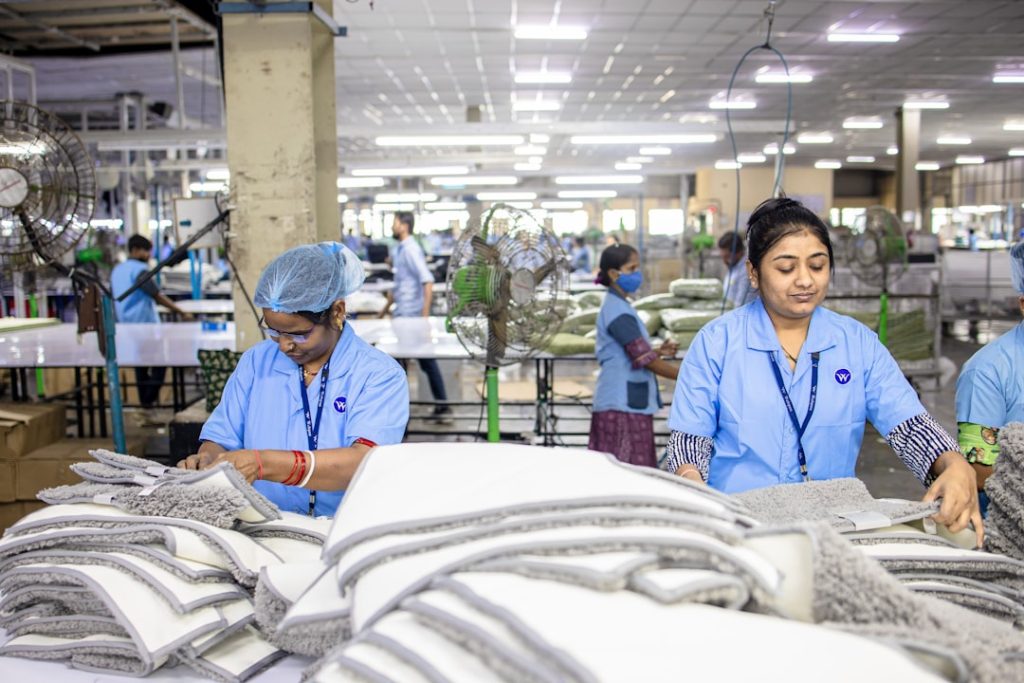
As more companies recognize the correlation between employee well-being and business success, we may see a broader adoption of progressive leave policies across various sectors.
Looking ahead, the trend of increasing paid leave is likely to continue, driven by both employee expectations and competitive pressures. As more companies recognize the correlation between employee well-being and business success, we may see a broader adoption of progressive leave policies across various sectors.
Ultimately, the ongoing evolution of workplace culture in India presents an opportunity for companies to redefine their values and practices. By embracing a holistic approach to employee well-being, organizations can cultivate a more engaged and productive workforce. As this trend unfolds, it raises important questions about the future of work: How will companies balance operational needs with employee welfare? And how will these changes shape the next generation of corporate culture?
 Career Development
Oratrics: Bridging the Soft Skills Gap for Students Worldwide
Oratrics is transforming soft skills development for students globally, equipping them for future careers.
Read More →