No products in the cart.

India’s Metro Housing Prices Are Inflating Faster Than Salaries

India’s major cities are seeing housing prices rise faster than incomes, creating a bubble that threatens the economy and everyday home-buyers alike. Government schemes and developer innovations aim to cool the market, but supply constraints and speculative finance keep the risk high.

Rapid price spikes in Mumbai, Delhi, and Bengaluru are turning home-ownership into a distant dream for most Indians, and the warning signs of a bubble are hard to ignore.
Housing Price Bubble: A Growing Concern
In March 2026, a first-time buyer in Mumbai paid ₹35 million for a 900-sq-ft flat, more than 12 times the city’s average annual household income. In Delhi, a similar unit fetched ₹28 million, while Bengaluru’s median price rose to ₹30 million, up 18% from the previous year. These prices are unsustainable, with major developers reporting sold-out pre-launch bookings within weeks.
A slowdown could drag down overall growth and increase unemployment among skilled and unskilled workers.
Context: Global and Local Factors

The COVID-19 pandemic reshaped where people want to live, with remote work driving demand for larger homes in suburban areas. Global investors poured capital into Indian real estate, adding upward pressure on prices. Locally, supply constraints, including land-acquisition delays and a shortage of affordable housing stock, keep new inventory low. The Ministry of Housing and Urban Affairs estimates that India needs 10 million new homes by 2030, yet annual completions hover around 1.2 million.
Stakes: Economic and Social Implications
A housing bust would reverberate beyond brick and mortar, with construction accounting for 8% of India’s GDP. A slowdown could drag down overall growth and increase unemployment among skilled and unskilled workers. Socially, unaffordable homes are already forcing young families into shared accommodations or distant suburbs, lengthening commutes and eroding quality of life.
Response: Government and Industry Initiatives
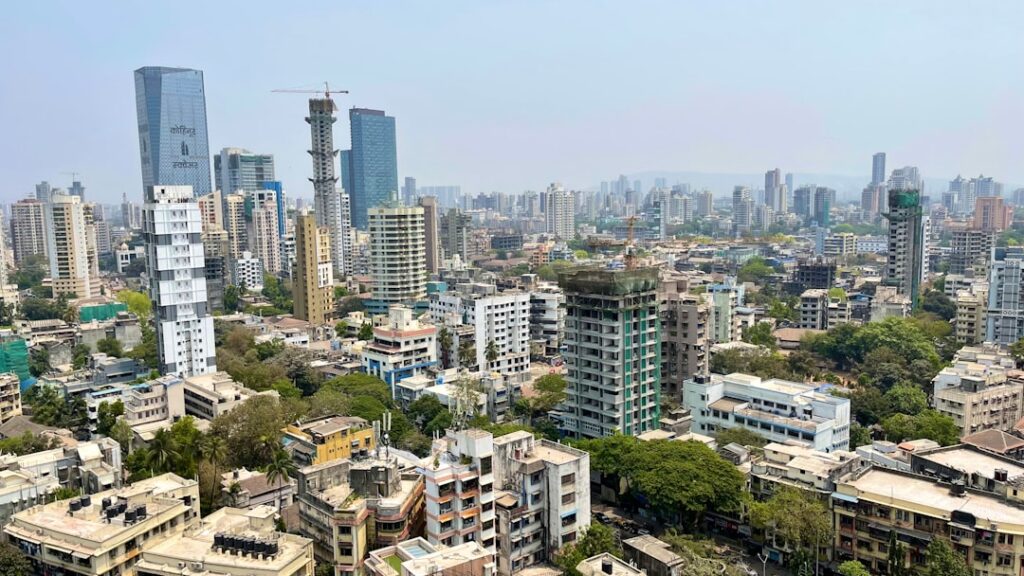
The central government launched the “Housing for All” scheme in 2024, pledging ₹2 trillion for affordable-housing projects and offering tax incentives to developers who allocate at least 30% of new units to low-income buyers. Developers are experimenting with cost-cutting designs, such as modular construction and rent-to-own models.
You may also like
 Career Advice
Navigating the Exit: Leaving a Beloved Career Gracefully
Leaving a job you love can be daunting. Explore practical strategies and emotional insights on how to pivot gracefully without burning bridges.
Read More →Outlook: Future Prospects and Challenges
The next two years will test whether policy and market can realign. If affordable-housing pipelines meet their 2028 targets, price growth could moderate to a sustainable 5-7% annual rate. Failure to deliver would keep price-to-income ratios climbing, raising the probability of a correction similar to the 2015 slowdown in the Indian commercial sector.