No products in the cart.

India’s Need for Trust Over Permissions in Business

India is moving towards an 'approvals economy' that emphasizes trust over bureaucratic permissions, essential for business growth and innovation.

Mumbai, India — India is undergoing a significant transformation in its business landscape, shifting from a cumbersome “approvals economy” to one where trust plays a central role. Recent discussions highlight the urgent need for fewer bureaucratic permissions and greater reliance on trust among stakeholders. As the world watches, this evolution could redefine how businesses operate in India.
The timing of this shift is critical. India, with its burgeoning population and rapidly growing economy, is at a crossroads. As of 2025, the country boasts a GDP growth rate of 6.5%, among the highest globally, presenting a unique opportunity for businesses to thrive if they can navigate the regulatory landscape effectively. The government’s push towards a more business-friendly environment aims to foster innovation and attract foreign investment, essential for sustaining this growth.
The concept of an “approvals economy” has long characterized India’s business environment, where companies often face a labyrinthine process of obtaining necessary licenses and permits. According to a report from the World Bank, India ranks 63rd out of 190 countries in ease of doing business, a position that underscores the challenges companies encounter. The lengthy approval processes have stifled creativity and hampered the agility of businesses, especially startups that thrive on rapid innovation.
In response, the Indian government has initiated reforms aimed at reducing the number of approvals required to start and operate a business. The introduction of the Goods and Services Tax (GST) in 2017 was a pivotal moment, simplifying the tax structure and reducing compliance burdens. Furthermore, the “Make in India” campaign encourages local manufacturing and aims to create a more favorable business climate.
 Professional Development
FLOOD-CDT Seeks PhD Candidate for Climate Resilience Research
The Centre for Doctoral Training for Resilient Flood Futures (FLOOD-CDT) is seeking PhD candidates to tackle pressing climate challenges.
Read More →For instance, a survey by the Confederation of Indian Industry (CII) revealed that 70% of business leaders feel that excessive regulations still hinder growth.

Despite these efforts, skepticism remains. Many entrepreneurs express concerns that while policies may change, the underlying bureaucratic culture persists. For instance, a survey by the Confederation of Indian Industry (CII) revealed that 70% of business leaders feel that excessive regulations still hinder growth. The call for a cultural shift towards trust is echoed by industry leaders who argue that fostering a reliable environment will enable businesses to flourish.
Business leaders like N. Chandrasekaran, Chairman of Tata Sons, emphasize that trust is essential for building long-term relationships between the government and businesses. “When there is trust, transactions become smoother, and businesses can focus on innovation rather than compliance,” he stated during a recent conference on economic reforms.
Moreover, the advent of technology is playing a crucial role in this transformation. The digitization of services has made it easier for businesses to interact with regulators, reducing the need for physical approvals. The implementation of platforms like the Government e-Marketplace (GeM) has streamlined procurement processes, fostering transparency and efficiency. As businesses increasingly leverage technology, the potential for a trust-based economy becomes more attainable.
 Career Advice
Nvidia Unveils Advanced A.I. Chips and Mercedes Partnership
Nvidia has announced new A.I. chips and a partnership with Mercedes for autonomous vehicles at CES 2026. This development could…
Read More →Internationally, the shift towards trust is gaining traction. Countries like Singapore and Estonia have demonstrated that reducing bureaucratic hurdles while enhancing transparency can lead to significant economic benefits. Their experiences provide valuable lessons for India as it navigates this transition.
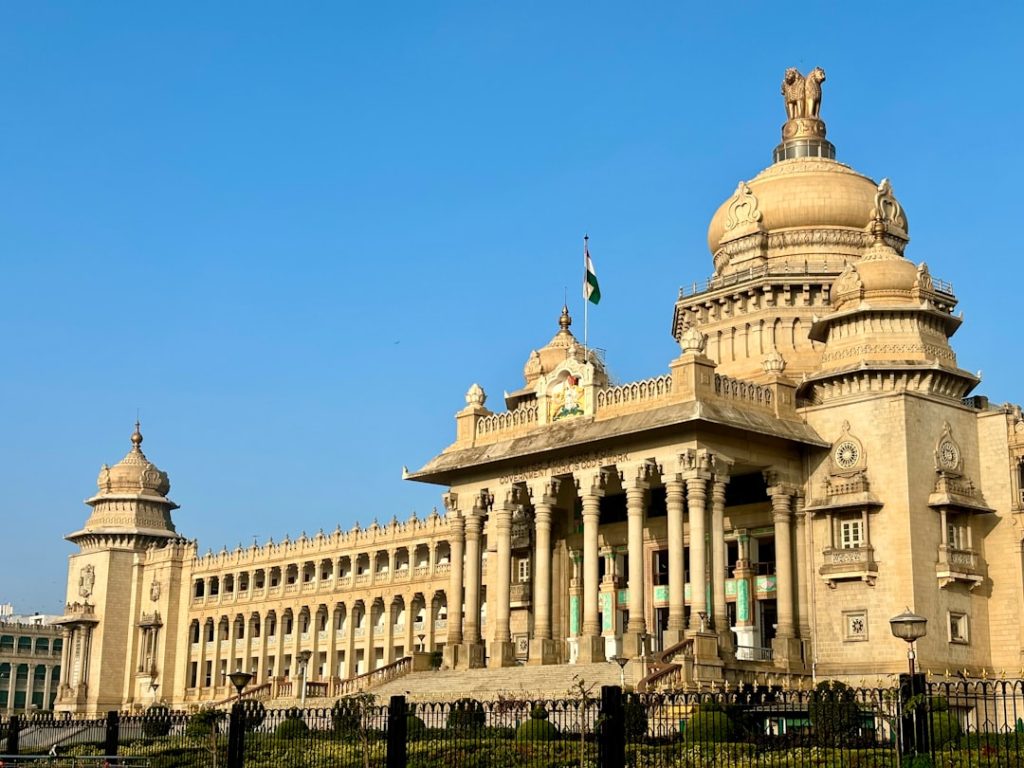
The digitization of services has made it easier for businesses to interact with regulators, reducing the need for physical approvals.
Looking ahead, the real test for India will be in balancing regulation with trust. As the government continues to implement reforms, the focus must remain on creating a culture where businesses feel empowered to innovate without the constant fear of regulatory setbacks. This will require ongoing dialogue between the government and the private sector, ensuring that policies remain responsive to the needs of entrepreneurs.
Furthermore, as the global economy evolves, India’s ability to attract foreign investment will hinge on its success in establishing a reliable and trustworthy business environment. With countries worldwide competing for investment, India’s reforms must not only address current challenges but also anticipate future trends.
 Entrepreneurship
10 Quotes from Successful Entrepreneurs to Inspire Your Journey
Get inspired by these 10 quotes from iconic entrepreneurs, offering wisdom on passion, resilience, and innovation. Perfect for anyone looking…
Read More →Ultimately, the move from an approvals economy to one built on trust signifies more than just a change in policy; it is a necessary evolution for India’s place in the global economy. The potential for growth is immense, but it will require concerted efforts from all stakeholders. As businesses and the government work together to foster an environment of trust, the future of India’s economy may well depend on their success.