No products in the cart.

India’s New Labour Codes Set to Transform Workplace Safety and Gender Equity
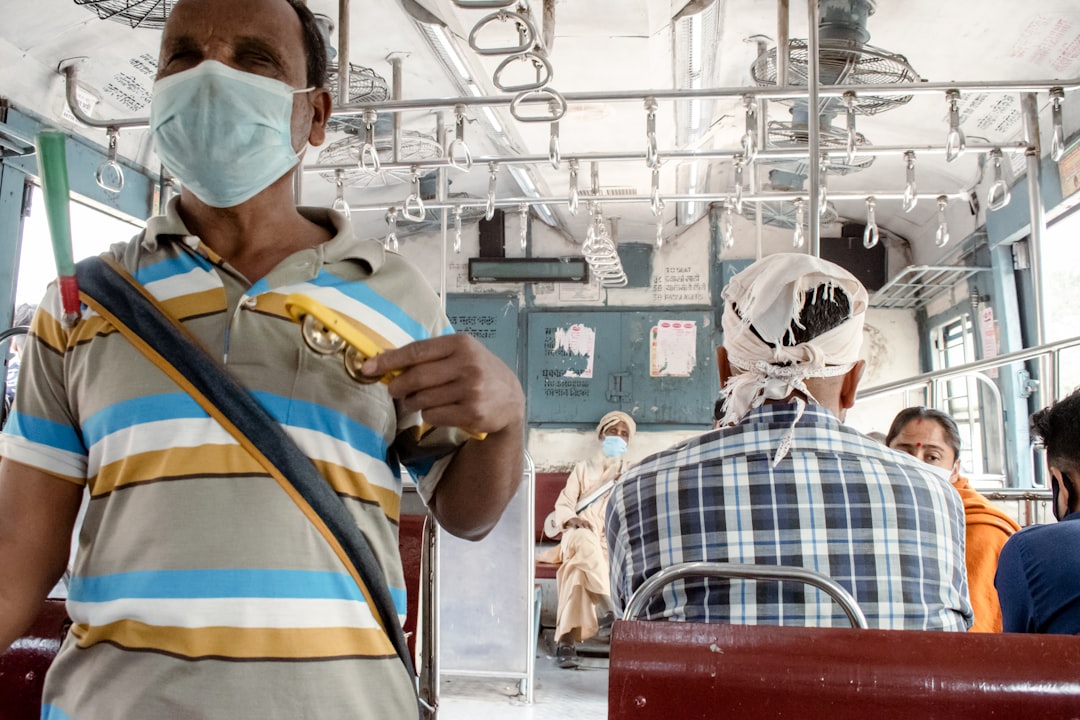
India’s new labour codes, effective from November 2025, introduce sweeping reforms to workplace safety and gender equity, promising fairer employment conditions and stronger protections for women.

New Delhi, India — On November 24, 2025, India officially rolled out its revamped labour codes, designed to create safer, more equitable workplaces with a sharp focus on gender fairness and employee protections. The reforms consolidate and modernize key labour laws, impacting millions of workers across the country, particularly women who have historically faced systemic barriers and unsafe working conditions. These labour codes, passed by Parliament earlier this year, integrate provisions related to occupational safety, sexual harassment prevention, equal remuneration, and grievance redressal mechanisms. The government’s stated aim is to harmonize regulations to attract investment while improving worker welfare in a rapidly evolving economy.[1]
Why These Reforms Matter Now
The timing of India's labour codes is critical. The country is amid an economic transition, with the International Labour Organization (ILO) reporting that nearly 70% of India’s workforce is informal or in precarious jobs.[2] This new framework promises formalization, providing legal clarity and protections unprecedented in scale. For women, the reforms mark a significant step toward bridging a persistent gender gap. Labour participation among Indian women remains around 23%, one of the lowest globally, according to the World Bank.[3] Enhanced workplace safety and anti-discrimination clauses aim to not only protect but encourage female employment, impacting economic inclusion and social equity.

 Education
Why Diversity Is Essential to Scientific Innovation and Impact
Diverse scientific teams lead to faster discoveries and more relevant research outcomes worldwide. Learn why inclusion is reshaping the future…
Read More →Overview of the Labour Codes
The four consolidated labour codes—on wages, industrial relations, social security, and occupational safety—replace over 40 older laws. Notably, the Occupational Safety, Health and Working Conditions Code mandates stricter safety standards and clear protocols for workplace hazards. Under the Sexual Harassment of Women at Workplace (Prevention, Prohibition and Redressal) provisions, companies must establish internal complaint committees with a greater mandate for timely resolution and confidentiality. Equal remuneration clauses require equal pay for equal work, extending to contract and gig workers for the first time in India.[1]
Under the Sexual Harassment of Women at Workplace (Prevention, Prohibition and Redressal) provisions, companies must establish internal complaint committees with a greater mandate for timely resolution and confidentiality.
Impact on Indian Workplaces and Women
Experts say the codes could reduce workplace injuries and discrimination but stress enforcement remains the challenge. According to the National Crime Records Bureau, workplace harassment complaints rose by 12% annually from 2018 to 2023, signaling gaps in existing protections.[4] The new codes provide mechanisms for stricter penalties and accountability. Corporate India’s response has been cautiously optimistic. Tata Consultancy Services and Reliance Industries have announced compliance programs aligned with the codes, emphasizing employee training and grievance redressal.[1] Still, smaller enterprises face hurdles due to resource constraints and awareness.

 Career Advice
Navigating Your Career with Data-Driven Insights
Discover how data can guide your career decisions, helping you make informed choices based on market trends and skills.
Read More →Challenges and Diverse Perspectives
Labour unions have raised concerns about some provisions favoring employers, particularly in easing layoffs and contract labor regulations. The All India Trade Union Congress (AITUC) criticized the codes for potentially undermining job security.[2] Conversely, business federations argue that streamlined laws reduce bureaucratic friction and attract foreign investment. Gender rights advocates applaud the focus on women’s safety but call for stronger monitoring. The Centre for Social Research in New Delhi emphasizes that cultural change within workplaces is essential alongside legal reforms to eradicate harassment and discrimination.
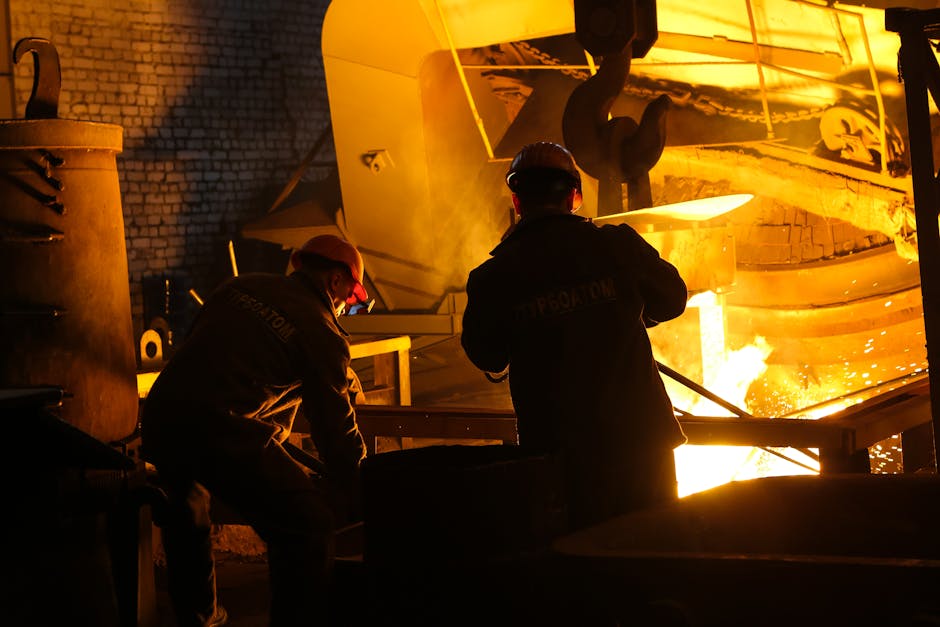
Looking Ahead: What This Means Globally and Locally
The Indian labour codes set a precedent in large emerging economies balancing growth with worker protections. Multinational corporations operating in India must adapt to these standards, potentially raising compliance benchmarks across Asia. For India’s workforce, the reforms could catalyze improvements in working conditions, especially for women entering or returning to the labor market. Education institutions and vocational programs may need to align curricula with these evolving workplace norms to prepare job seekers effectively. Policymakers will need to ensure robust implementation and data transparency to track progress. The success of these codes will influence future labour policy debates globally, highlighting the complex interplay between economic liberalization and social equity.
 Career Guidance
Navigating a Career in Policy Analysis
Discover the skills and educational paths necessary for a career in policy analysis, shaping decision-making on critical issues.
Read More →