No products in the cart.

India’s Steel Sector Faces Challenges from EU’s Carbon Tax

India's steel exports are under threat due to the EU's carbon tax. This article explores the implications for the industry and future strategies.

New Delhi, India — India’s steel sector is bracing for significant challenges as it faces the European Union’s newly implemented carbon tax. This tax, part of the EU’s Carbon Border Adjustment Mechanism (CBAM), aims to reduce carbon emissions from imported goods. With two-thirds of India’s steel exports heading to Europe, the impact of this regulation is profound. Steel Secretary Sandeep Poundrik has indicated that the government will take measures to support the industry amid these changes.
The CBAM imposes fees on imports of steel and other high-emission goods, which could drastically reduce India’s competitive edge in the European market. The steel sector, already under pressure from rising production costs and international competition, now faces an additional hurdle that could reshape its export strategies.
In light of these developments, the Indian government is exploring various support mechanisms for steel exporters. This includes potential financial assistance and diplomatic efforts to negotiate more favorable terms with the EU. The urgency of these measures is underscored by the recent trade deal between India and the EU, which, while reducing tariffs in several sectors, left the carbon tax intact.
Why India’s Steel Exports Are at Risk
The EU’s carbon tax is part of a broader strategy to combat climate change by ensuring that imported goods reflect the carbon costs associated with their production. This policy has raised concerns in India, where the steel industry heavily relies on coal and other fossil fuels, leading to high carbon emissions. According to a report by Reuters, the Indian government has criticized the CBAM, arguing that it could significantly hamper trade and hurt the economy.
 Artificial Intelligence
Chai Discovery Secures $130 Million for AI-Designed Molecules
Chai Discovery, supported by OpenAI, has raised $130 million to enhance AI-designed molecules, signaling a new era in drug discovery.
Read More →In light of these developments, the Indian government is exploring various support mechanisms for steel exporters.
As the EU implements these tariffs, Indian steel mills may see a sharp decline in demand from European buyers. This could compel them to seek alternative markets in regions like Africa and the Middle East, where competition is less fierce. However, shifting markets often come with their own set of challenges, including lower prices and less stable demand.
The Indian steel industry is already grappling with issues such as rising production costs and the need for technological upgrades to meet international standards. The carbon tax exacerbates these challenges, forcing companies to rethink their production processes and explore greener alternatives. The transition to more sustainable practices is not only essential for compliance but also for maintaining competitiveness in a global market increasingly focused on sustainability.
Furthermore, the impact of this carbon tax is not limited to the steel sector alone. Other industries that rely on high-emission processes, such as cement and aluminum, will also feel the pressure. The ripple effects could lead to a broader economic impact, affecting jobs and investments across multiple sectors.
How the Indian Government Plans to Support the Steel Industry
In response to the looming challenges posed by the EU’s carbon tax, the Indian government is considering several strategies to bolster its steel sector. These measures include:
 Business Strategy
Crafting Compelling Case Studies for Consulting Success
Explore how to create compelling case studies that make your consulting application shine, aligning with firm values and showcasing your…
Read More →- Financial Assistance: The government may provide subsidies or financial aid to steel manufacturers to help them transition to greener technologies.
- Negotiations with the EU: Diplomatic efforts are underway to engage with EU officials to discuss the implications of the carbon tax and seek adjustments that could benefit Indian exporters.
- Investment in R&D: Encouraging research and development in sustainable steel production methods could help Indian companies reduce their carbon footprint and meet EU standards.
- Market Diversification: Steel companies are advised to explore new markets outside Europe to mitigate the risks associated with the carbon tax.
However, experts warn that this trend may not be sustainable. A recent Bloomberg article suggests that while immediate support measures can help, the long-term success of the steel industry will depend on its ability to innovate and adapt to global carbon regulations. Without significant investment in green technologies, Indian steel exports may continue to face challenges in the future.
The Future of India’s Steel Exports Amid Global Climate Policies
Looking ahead, the future of India’s steel exports will largely depend on how effectively the industry adapts to the changing landscape shaped by global climate policies. The EU’s carbon tax is likely to influence other regions to adopt similar measures, which means Indian steel manufacturers must be proactive in their approach to sustainability.
Investment in R&D: Encouraging research and development in sustainable steel production methods could help Indian companies reduce their carbon footprint and meet EU standards.
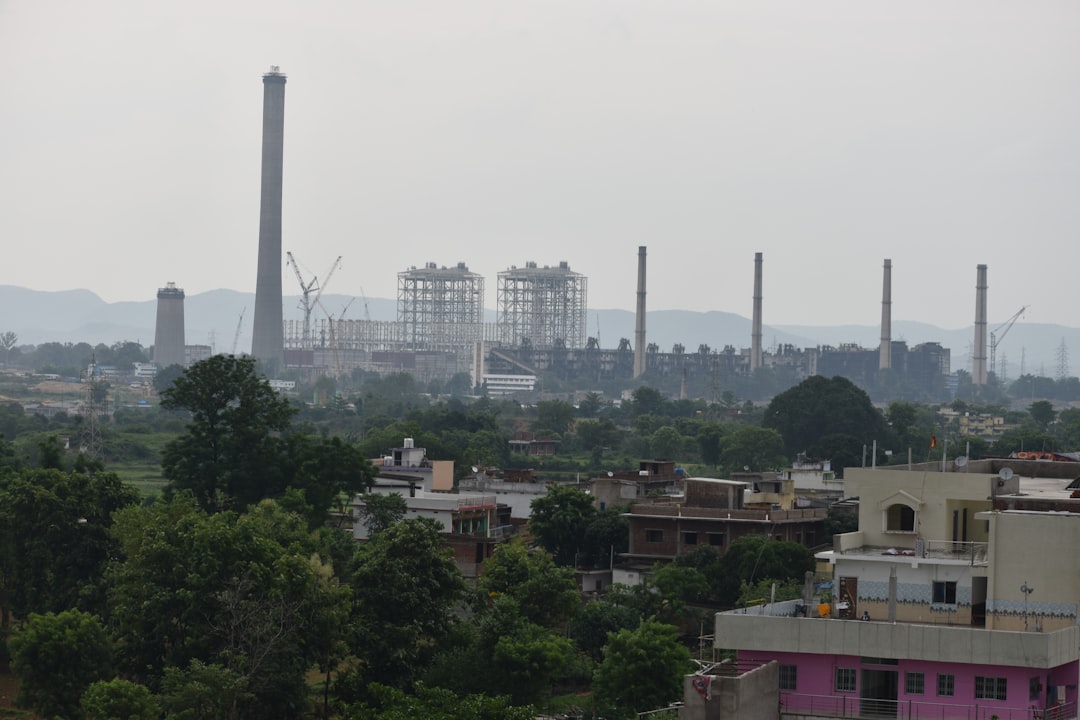
As the government rolls out support measures, it is crucial for stakeholders in the steel sector to engage with policymakers and contribute to discussions on sustainable practices. This collaboration can lead to innovative solutions that not only meet regulatory requirements but also enhance the industry’s competitiveness.
Ultimately, the steel industry in India stands at a crossroads. Will it embrace the challenge of sustainability and innovate, or will it struggle under the weight of regulatory pressures? The decisions made today will shape the future of this vital sector and its role in the global economy.
 Management
Harnessing Curiosity: Gen Z’s Path to Success
Curiosity is a defining trait of Gen Z, shaping their approach to learning and career development. This article explores its…
Read More →