No products in the cart.

India’s Sustainable Waste Management Revolution

India is advancing its waste management industry, paving the way for sustainable urban development and innovative solutions.

Mumbai, India — The waste management industry in India is undergoing a significant transformation. As urbanization accelerates, the country grapples with the twin challenges of waste generation and environmental sustainability. Recent reports indicate that the Indian waste management market is expected to reach $14 billion by 2026, driven by increasing awareness and regulatory pressures for efficient waste disposal and recycling practices.
This trend is crucial not only for environmental health but also for economic growth. The urgency to manage waste effectively is intertwined with India’s broader goals of sustainable urban development. As cities expand and populations grow, innovative waste solutions are becoming essential to maintain urban livability and sustainability.
India generates approximately 62 million tons of waste annually, with a mere 30% of this waste being processed. The rapid urbanization seen in cities like Mumbai and Bengaluru exacerbates the problem, as the waste management infrastructure struggles to keep up with demand. The government’s commitment to achieving 100% waste segregation at source by 2025 highlights the seriousness of this issue.

 Business Strategy
Costco’s Impressive Q3 Earnings: A Beacon of Resilience in Retail
Costco's Q3 2025 earnings report reveals a remarkable surge, reflecting resilience in the retail sector amidst economic challenges.
Read More →In response, the Indian government has implemented several initiatives aimed at enhancing waste management practices. The Swachh Bharat Mission (Clean India Mission), launched in 2014, has set ambitious targets for waste management and sanitation across urban and rural areas. Through this initiative, over 10 million toilets have been constructed, and numerous cities have adopted innovative waste management practices, such as composting and recycling.
The rapid urbanization seen in cities like Mumbai and Bengaluru exacerbates the problem, as the waste management infrastructure struggles to keep up with demand.
Private sector participation is also crucial. Companies like Ramky Enviro Engineers and Greenobin are stepping up to fill the gaps in waste management. Ramky, for instance, has been at the forefront of providing integrated waste management solutions, establishing facilities that focus on waste-to-energy conversions and material recovery. Such innovations not only address waste disposal challenges but also create jobs and stimulate economic growth.
Moreover, the emergence of technology in waste management is reshaping the industry landscape. Startups are leveraging IoT, AI, and blockchain to optimize waste collection routes, monitor waste levels in bins, and ensure transparency in the recycling process. For example, the startup Goonj has developed a unique model that converts urban waste into resources, benefiting both the environment and the community.
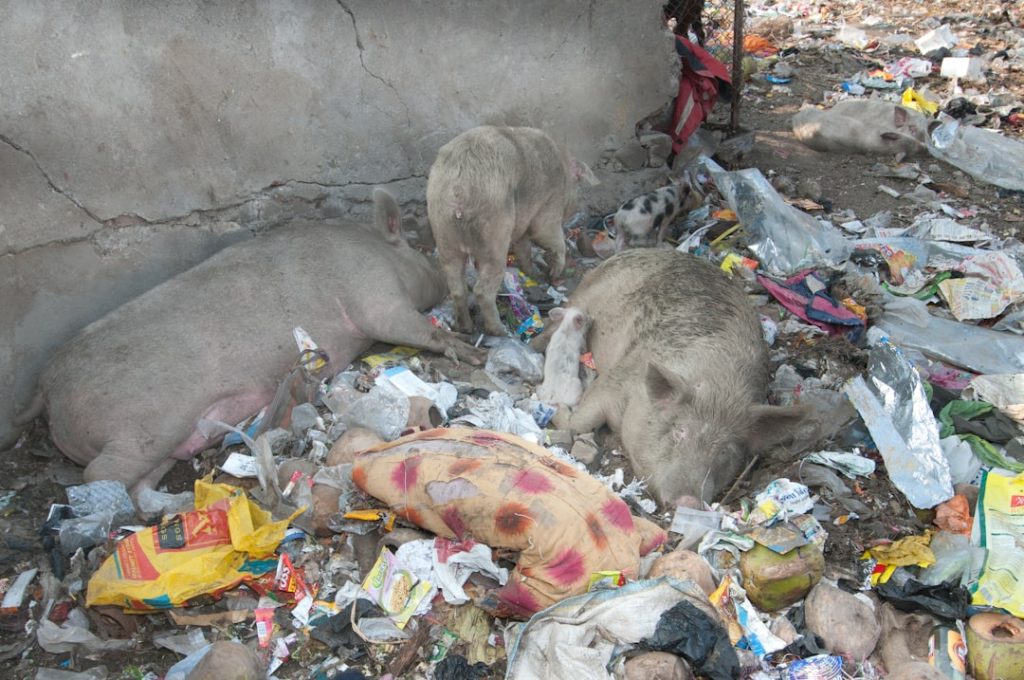
The implications of these advancements are far-reaching. Improving waste management practices can significantly reduce pollution, enhance public health, and contribute to climate change mitigation. With the global waste management market expected to reach $530 billion by 2025, India’s proactive approach positions it as a key player in this burgeoning industry.
 Corporate Training
The Future of Corporate Training: Embracing Immersive Learning
Corporate training is evolving. Discover how immersive learning, micro-learning, and AI personalization are reshaping skill development in the workplace.
Read More →However, challenges remain. The lack of public awareness and engagement in waste segregation continues to hinder progress. According to a report by the Ministry of Housing and Urban Affairs, only 60% of urban households participate in waste segregation practices. Education campaigns and community involvement are essential to drive behavioral change and ensure the success of waste management initiatives.
Furthermore, the financial constraints faced by municipalities can limit the implementation of advanced waste management technologies. To counter this, partnerships between the public and private sectors must be strengthened. By pooling resources, expertise, and investment, stakeholders can create more resilient waste management systems capable of meeting the demands of rapidly growing urban populations.
Education campaigns and community involvement are essential to drive behavioral change and ensure the success of waste management initiatives.

Looking ahead, the future of waste management in India hinges on innovation and collaboration. As the country strives to meet its sustainability goals, the integration of advanced technologies and community engagement will be critical. The need for skilled professionals in this evolving industry will also grow, emphasizing the importance of education and training programs focused on sustainability and waste management practices.
 Career Development
Highlighting the Skills Gap: A Contest for Skilled Labor
A recent contest in China emphasizes the urgent need for skilled labor in the economy. As industries evolve, so do…
Read More →India stands at a crossroads. The choices made today regarding waste management will have long-lasting implications for the environment and future generations. As urban centers expand, so too must the commitment to sustainable waste solutions. The path is clear: by embracing innovation, fostering collaboration, and educating the public, India can turn its waste management challenges into opportunities for growth and sustainability.