No products in the cart.

India’s Workforce Grows by 16.83 Million, Driven by Women
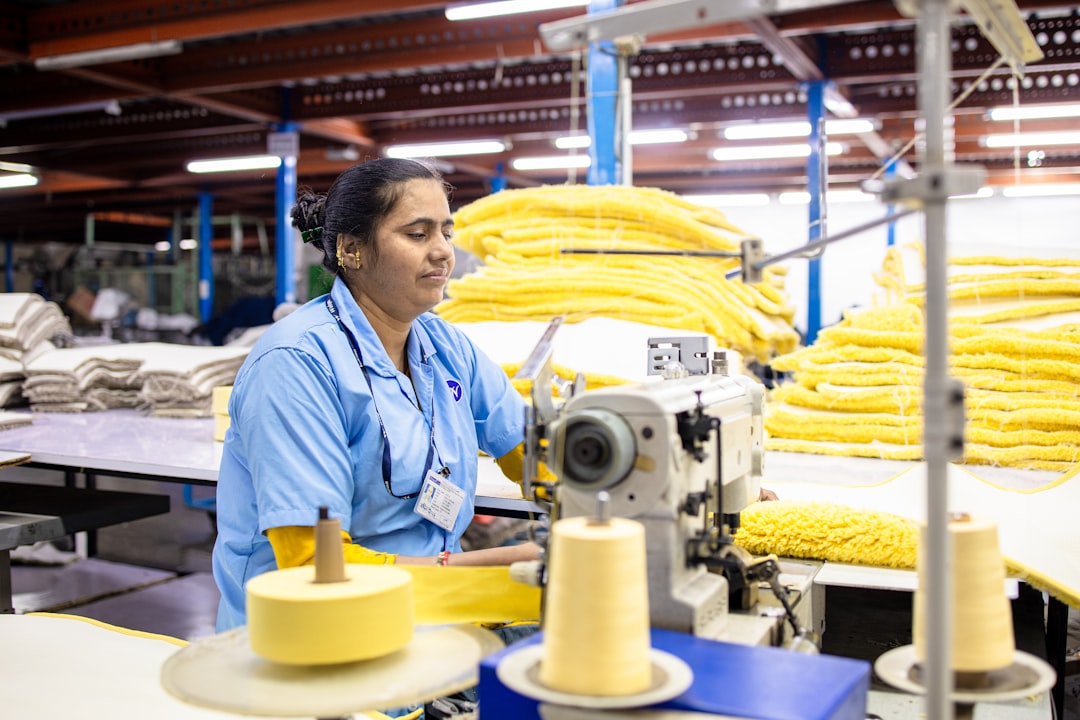
India's job market is booming, with 16.83 million jobs added in six years, largely thanks to women's participation. What does this mean for the future?

New Delhi, India — India has added a staggering 16.83 million jobs over the past six years, driving the unemployment rate down to an impressive 3.2%. This remarkable transformation is largely attributed to a surge in women entering the workforce, marking a pivotal moment in the country’s economic landscape.
According to recent data from the Ministry of Labour and Employment, the employment landscape has shifted significantly, with women’s workforce participation rising to 28% in 2025, up from 22% in 2019. This increase is not just a statistic; it reflects a changing attitude towards gender roles and the increasing necessity for dual-income households in urban areas.

The surge in job creation can be traced back to several key factors, including government initiatives aimed at boosting female employment. Programs such as the Mahatma Gandhi National Rural Employment Guarantee Act (MGNREGA) have provided women with reliable job opportunities in rural areas. Moreover, urbanization has opened new avenues for employment across sectors like technology, healthcare, and education, sectors where women have increasingly made their mark.
The implications of these changes extend beyond mere numbers. Economic analysts suggest that as more women join the workforce, consumer spending is likely to increase, contributing to the overall economic growth of the country. The World Bank has projected that enhancing female labor force participation could add $700 billion to India’s GDP by 2025, underscoring the economic potential that lies in gender equity.
Economic analysts suggest that as more women join the workforce, consumer spending is likely to increase, contributing to the overall economic growth of the country.
However, while this upward trend is encouraging, it’s essential to recognize the challenges that still persist. Cultural barriers, workplace discrimination, and inadequate childcare facilities remain significant hurdles for many women. The gender wage gap, although narrowing, continues to be a pressing issue. According to a report by the International Labour Organization, women in India earn nearly 34% less than their male counterparts for similar work. Addressing these disparities is crucial for sustaining the momentum of female workforce participation.
You may also like
 News
NewsNTSB Investigates Waymo’s Robotaxis for Illegally Passing School Buses
The NTSB has launched an investigation into Waymo's robotaxis for illegally passing school buses in Austin, Texas, highlighting significant safety issues.
Read More →Moreover, the COVID-19 pandemic had a profound impact on employment patterns, particularly among women. During the peak of the crisis, millions of women were forced to leave the workforce due to job losses and increased domestic responsibilities. As companies begin to recover and adapt to new norms, it’s vital that they implement policies that support flexibility and inclusivity. This includes remote work options and equitable access to career advancement opportunities.
Looking ahead, the role of technology in shaping the workforce cannot be overlooked. As industries evolve, so do the skills required to thrive in them. The rise of the gig economy has created new job opportunities, particularly for women seeking flexible work arrangements. Companies like Zomato and Urban Company have seen a significant number of female workers taking on roles as delivery agents and service providers, demonstrating that women are not just participants but leaders in this new economic era.
Furthermore, educational institutions are beginning to respond to this shift by offering programs that equip women with the necessary skills to succeed in emerging fields. Initiatives focusing on STEM (Science, Technology, Engineering, and Mathematics) education for girls have gained traction, paving the way for future generations of women leaders in technology and innovation.
As the landscape continues to evolve, it’s essential for policymakers to remain vigilant and proactive. Initiatives aimed at promoting gender equality in the workplace must be prioritized, ensuring that women have equal access to opportunities and resources. This includes not only legislative changes but also cultural shifts that recognize the value of women’s contributions to the workforce.
This includes remote work options and equitable access to career advancement opportunities.
You may also like
 Career Advice
The Strategic Role of Rest in Career Advancement
Strategic rest is crucial for career growth. This article explores recovery optimization and renewal techniques for professionals.
Read More →In summary, India’s job market is on a promising trajectory, with women leading the charge in workforce growth. The current statistics are a beacon of hope, yet they also serve as a reminder of the work that lies ahead. By fostering an environment that champions gender equality and supports women’s participation, India can unlock its full economic potential. The future of work is not just about numbers; it’s about creating a more inclusive and equitable society that benefits everyone.