No products in the cart.

Innovations Reshaping Solar Energy: The Next Frontier

Discover the latest innovations in solar energy that promise to reshape the future of renewable energy. Explore materials, storage, and distribution advancements.

San Francisco, USA — Solar energy is at a critical juncture. Recent innovations in materials, storage, and distribution are not only enhancing efficiency but also making solar power more accessible and reliable. As the world grapples with climate change and energy demands, these advancements could redefine the solar landscape.
The urgency of this transformation is palpable. According to the international Energy Agency (IEA), solar energy capacity is expected to triple by 2030, potentially providing up to 25% of global electricity needs [1]. This growth is driven by technological improvements and supportive policies aimed at reducing carbon footprints.
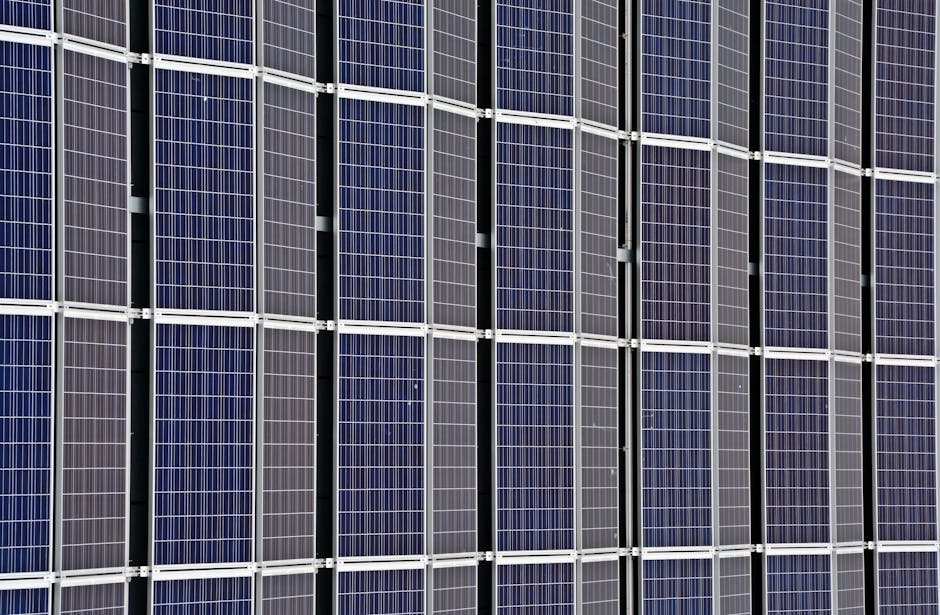
In recent years, companies like First Solar and SunPower have pioneered new photovoltaic materials that enhance energy conversion rates. For instance, First Solar’s advanced thin-film technology offers a more sustainable and cost-effective alternative to traditional silicon-based panels. These developments are crucial as they can significantly lower the levelized cost of electricity (LCOE), making solar energy competitive with fossil fuels [2].
 Business Innovation
The Rise of Creators as Brand Partners
Creators and micro-influencers are transforming brand partnerships, driving engagement and authenticity in marketing strategies.
Read More →Storage technology is another area where innovation is thriving. Energy storage systems, particularly lithium-ion batteries, have seen dramatic price drops—about 89% since 2010, according to BloombergNEF [3]. This decrease enables solar energy to be stored for use during peak demand, addressing a major limitation of solar power: its intermittent nature. Companies like Tesla and LG Chem are at the forefront of this revolution, with their products making solar energy more reliable.
These developments are crucial as they can significantly lower the levelized cost of electricity (LCOE), making solar energy competitive with fossil fuels [2].
On the distribution side, the development of smart grids is transforming how solar power is integrated into existing energy systems. Smart grids utilize digital technology to improve the efficiency and reliability of electricity distribution. For instance, Pacific Gas and Electric (PG&E) in California has implemented smart grid technologies that allow for real-time monitoring and better management of energy loads, facilitating a smoother integration of renewable sources like solar [4].
These innovations are not just technical advancements; they represent a shift in how we approach energy consumption. As solar energy becomes cheaper and more efficient, it is poised to empower communities, reduce energy poverty, and create jobs in the clean energy sector. The Solar Foundation’s National Solar Jobs Census reported that the U.S. solar industry employed about 250,000 workers in 2019, and that number continues to grow as the industry expands [5].
 News
NewsElon Musk To Charge $8 for Blue-Tick Verification
Career Ahead Elon Musk, CEO of Tesla Motors recently bought the social media platform Twitter for USD 44 bn. CareerChrisland…
Read More →However, the path forward is not without challenges. Regulatory hurdles, supply chain disruptions, and the need for significant capital investment pose risks that could hinder progress. Additionally, the rapid pace of innovation creates a competitive landscape where companies must continuously adapt to stay relevant.
Looking ahead, the future of solar energy appears bright yet complex. With ongoing investments in research and development, we can expect breakthroughs in perovskite solar cells, which promise higher efficiency rates and lower production costs. Furthermore, advancements in artificial intelligence (AI) could optimize energy management systems, allowing for more precise forecasting of energy production and consumption.
solar industry employed about 250,000 workers in 2019, and that number continues to grow as the industry expands [5].
As the world shifts towards a more sustainable energy future, the role of solar power will become increasingly vital. Policymakers, businesses, and consumers must collaborate to harness these innovations effectively. Ensuring that the benefits of solar technology reach all communities will be essential in paving the way for a greener planet. The question remains: how will we collectively rise to the challenge of integrating these advancements into our daily lives?
 Business
Tories Propose Elimination of Business Rates for High Street Shops
The UK Conservatives propose abolishing business rates for high street shops and pubs, aiming to boost local economies. Discover the…
Read More →