No products in the cart.

Integrating Climate Education: Why Schools Must Act Now

As climate challenges intensify, education systems worldwide face mounting pressure to embed sustainability into core curricula, preparing students for a rapidly changing planet.

New York, USA — As global temperatures continue to rise and climate disasters multiply, education systems worldwide are grappling with how to prepare students for a future shaped by ecological uncertainty. Experts argue that climate education should become a foundational part of school curricula, not an optional add-on. Countries including Finland, South Korea, and Costa Rica have begun embedding sustainability lessons into their national education frameworks, signaling a growing consensus on the urgency of climate literacy. Recent data underscores the need: a 2024 UNESCO report found that only 43% of countries worldwide have integrated climate change into their national curricula, leaving a significant gap in student preparedness for environmental challenges[1]. This shortfall risks leaving millions of young people without the knowledge or skills to navigate climate impacts or participate in green economies. As the labor market increasingly demands sustainability expertise, education systems face mounting pressure to evolve rapidly.
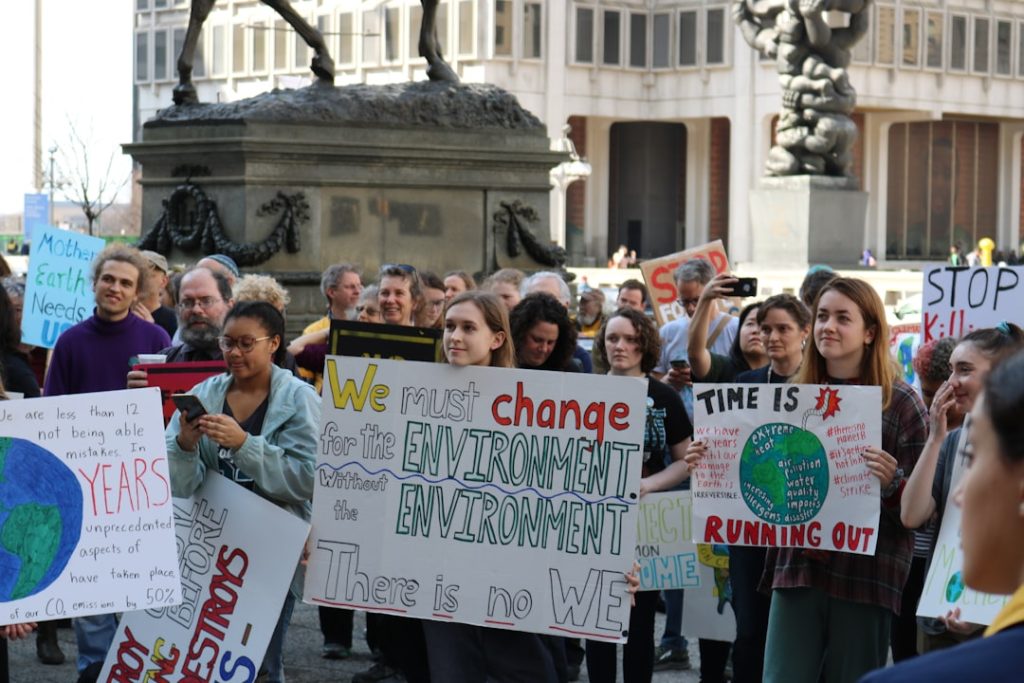
Why Climate Education Matters Now
Climate education is no longer a niche subject; it is a critical competency for the 21st century workforce and citizenship. The Intergovernmental Panel on Climate Change (IPCC) reports that human-induced warming has reached 1.2°C above pre-industrial levels, driving extreme weather and resource scarcity that will intensify over coming decades[2]. Young people entering the job market will face these realities directly, whether in agriculture, urban planning, or finance. Embedding climate education equips students with scientific literacy, critical thinking, and problem-solving skills needed for sustainability-driven industries. Moreover, it fosters civic engagement, empowering students to advocate for policies that mitigate climate risks. The World Economic Forum’s 2025 Future of Jobs report highlights that by 2030, 40% of all jobs will require skills related to sustainability and green technologies[3]. Without foundational knowledge, young workers will be ill-prepared for these roles.
 Artificial Intelligence
NIELIT’s New Digital University Platform: A Leap into the Future of Education
NIELIT's launch of a digital university platform and five new centers for AI and cybersecurity marks a significant step in…
Read More →Embedding climate education equips students with scientific literacy, critical thinking, and problem-solving skills needed for sustainability-driven industries.
Global Curriculum Innovations and Challenges
Countries have taken diverse approaches to integrating climate education. Finland’s 2016 National Core Curriculum mandates sustainability as a cross-cutting theme across subjects, from biology to social studies. This integrated approach encourages students to see climate issues as interconnected with economics, ethics, and technology. Similarly, South Korea launched a climate education framework in 2023 emphasizing hands-on projects and community involvement. By contrast, many nations struggle with barriers including lack of teacher training, insufficient educational resources, and political resistance. In the United States, climate education is unevenly implemented across states, with some banning or limiting climate science teaching altogether. UNESCO’s 2024 survey highlighted that in low-income countries, fewer than 30% of schools have access to climate-focused textbooks or materials[1].
Perspectives on Climate Curriculum Integration
Educators and sustainability advocates emphasize that climate literacy must be embedded early and across disciplines. Dr. Anna Taylor, director at the Climate Literacy Network, argues, "When students understand the science and social impacts of climate change, they are better equipped to innovate and lead in a green economy." Her organization has partnered with schools in the UK to create modular climate lesson plans that integrate environmental justice and economic perspectives. However, critics caution against overly technical curricula that risk alienating students or politicizing classrooms. Some educators stress the importance of culturally relevant teaching that connects climate issues to local experiences and livelihoods. For instance, indigenous communities in Canada advocate for curricula that include traditional ecological knowledge alongside Western science to foster holistic understanding.

Economic and workforce implications
The transition to a low-carbon economy is reshaping labor markets globally. The International Labour Organization (ILO) estimates that by 2030, green jobs could reach 430 million globally, up from 300 million in 2023[4]. This growth spans renewable energy, sustainable agriculture, and circular economy sectors. Education systems that lag in climate literacy risk creating a workforce skills gap, hindering economic competitiveness. Employers increasingly seek candidates with sustainability credentials. A 2025 LinkedIn report shows that job postings requiring environmental skills grew by 35% year-over-year. Companies like Siemens, Unilever, and Tesla actively recruit graduates familiar with climate science and sustainable practices. For career seekers, climate education is becoming a differentiator in an evolving job market.
 Career Development
Digital Skills Propel 76% Increase in Holiday Hiring
A recent report highlights a 76% surge in festive hiring spurred by the demand for digital skills, reshaping job opportunities…
Read More →
Looking Ahead: Building Resilient Education Systems
Integrating climate education is no simple task. It demands coordinated policy, investment in teacher training, and development of inclusive, interdisciplinary curricula. International cooperation, such as UNESCO’s Global Action Programme on Education for Sustainable Development, offers frameworks and resources to guide countries in this transition. For professionals and educators, the imperative is clear: climate literacy must move from the margins to the mainstream of education. Doing so will empower the next generation not only to adapt to climate impacts but to innovate solutions that safeguard economies and communities. As climate risks escalate, education systems worldwide must rise to the challenge—shaping careers, leadership, and societies equipped for a sustainable future.